Interior designers, quick question: how many hours did you spend this week on work your client will never see? The redrawn plan. The faucet hunt. The shopping list at 11 at night.
Here's the truth: most of your hours aren't design. They're production. And production is eating your time, your margins and your love for the work.
The fix isn't working harder. It's working differently. Here's exactly how.
We Do 75% Of The Work. You Get Your Life Back.
From what we see project after project, 70 to 80 percent of the work is production: the product hunt, the drawings, the renderings, the revisions. We take that. You keep what only you can do: your client, your concept, your final say.
Your part is three steps:
- Have the first call. Meet your client. Learn how they live, their style, their budget.
- Get a Pinterest board from your client, or just three pictures they love. Then send us a board of what you think they like, and where you want to take it.
- Send us your vendor list. The stores you like to buy from.
That's it. You hand it over. We do the rest. In one to two weeks you have a vision to show your client. The drawings, the sourcing and the renderings follow.
Here's what you get back:
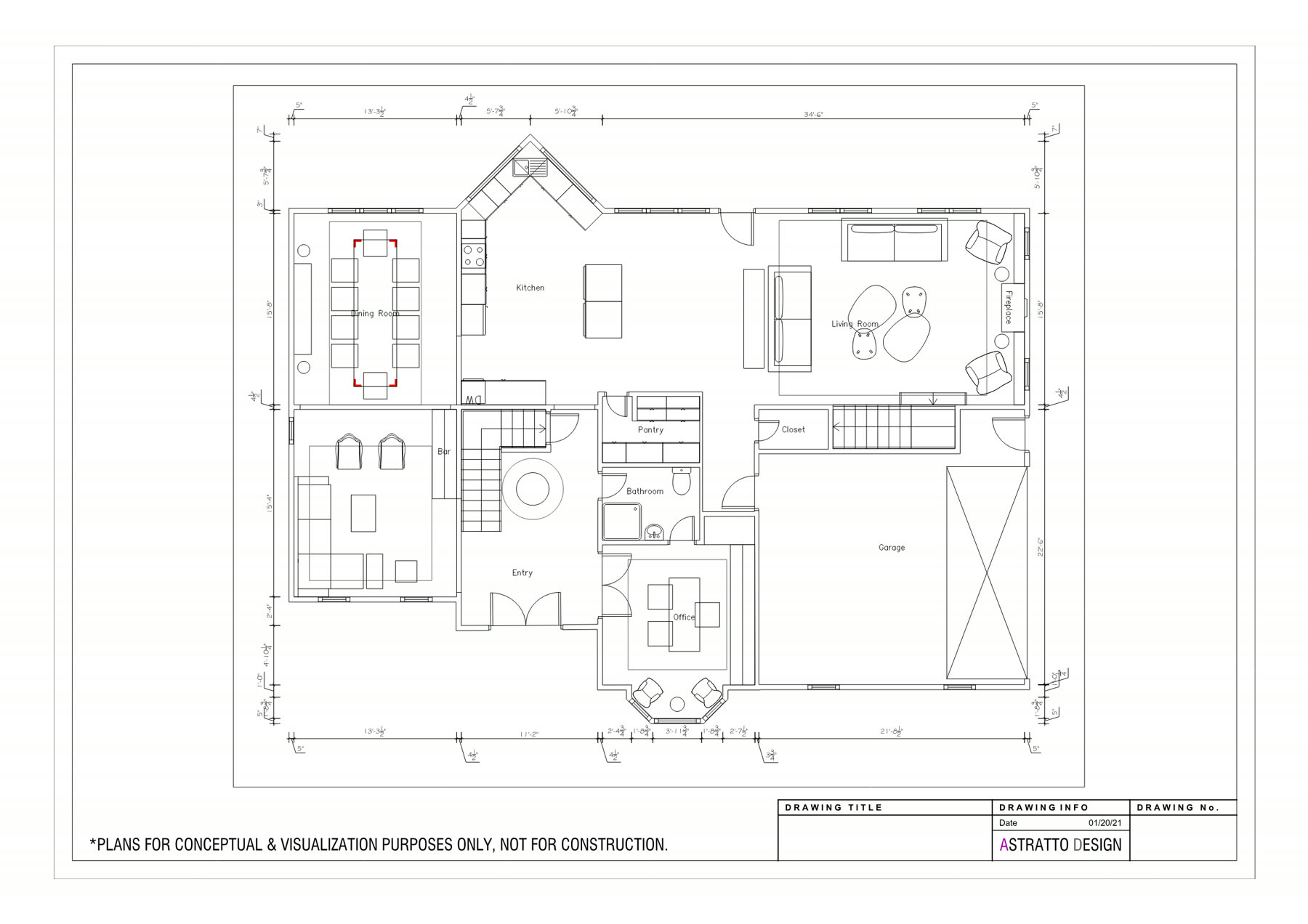
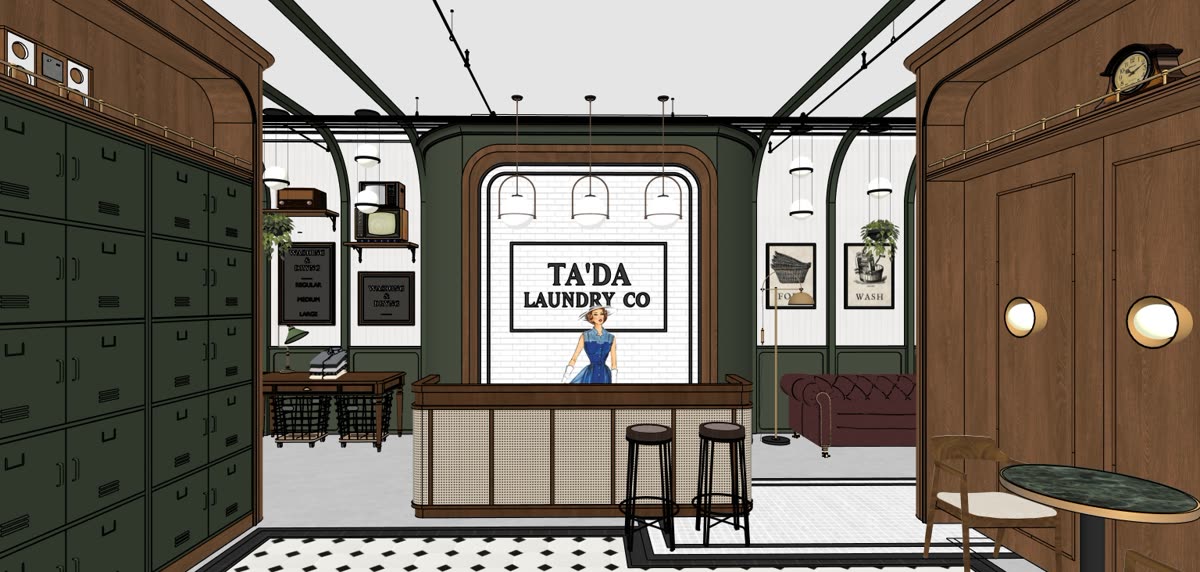
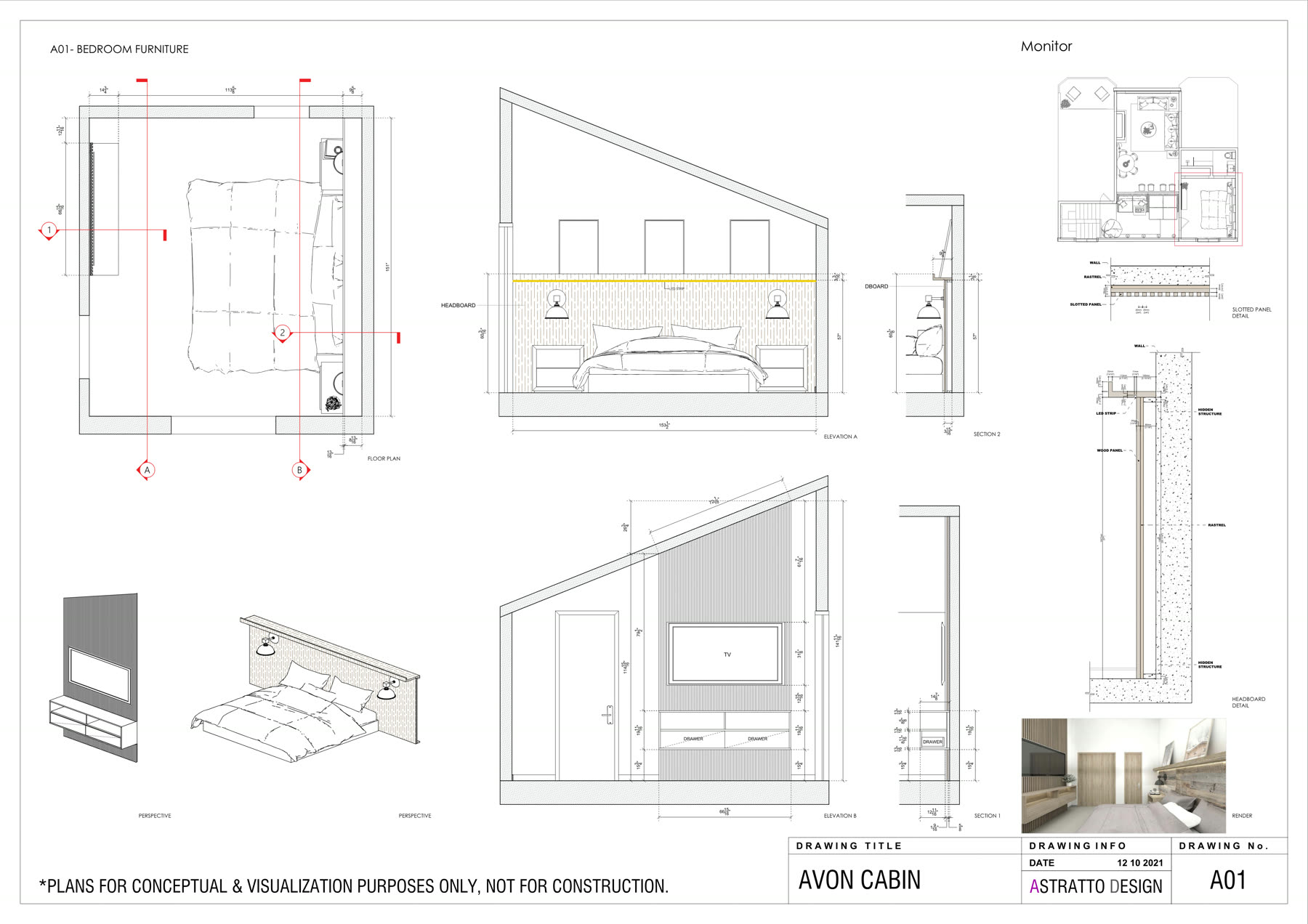
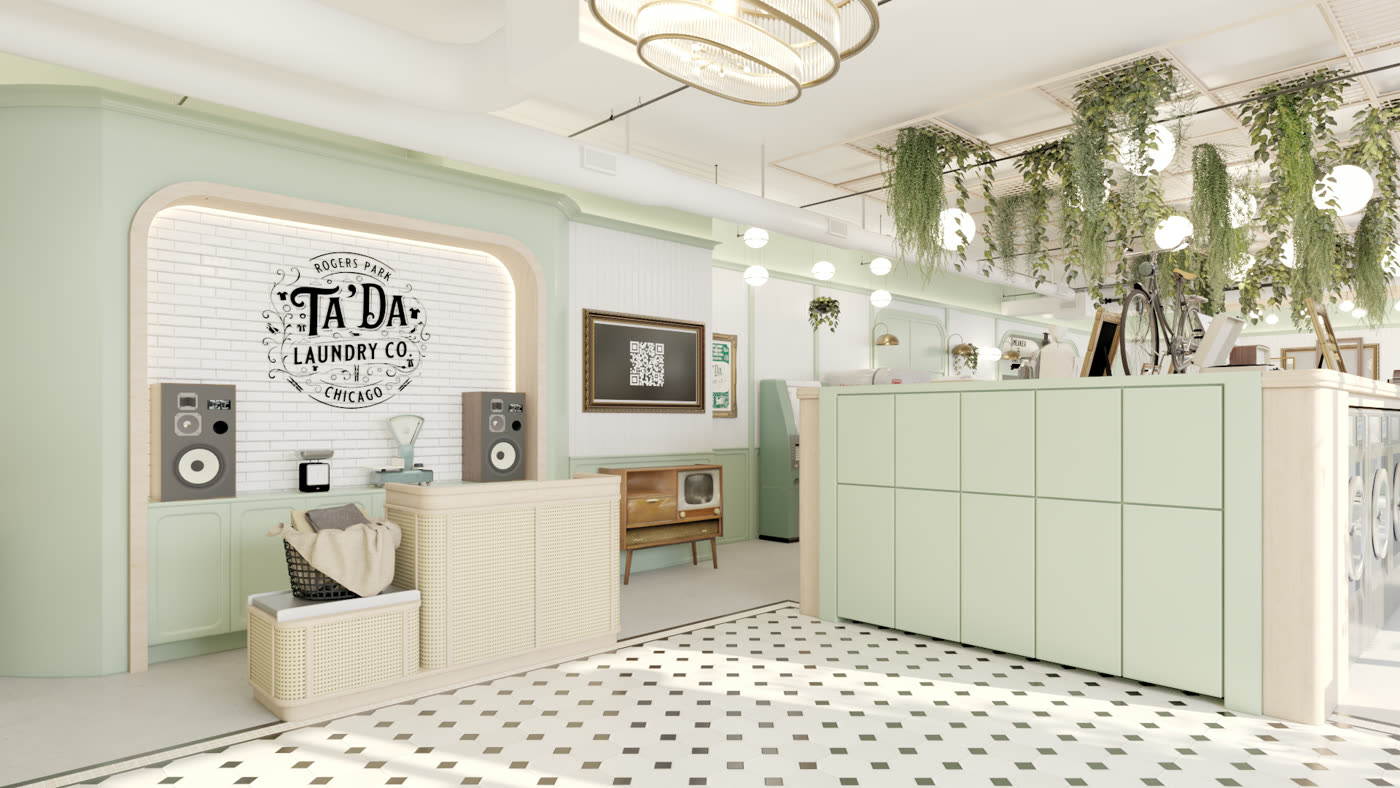
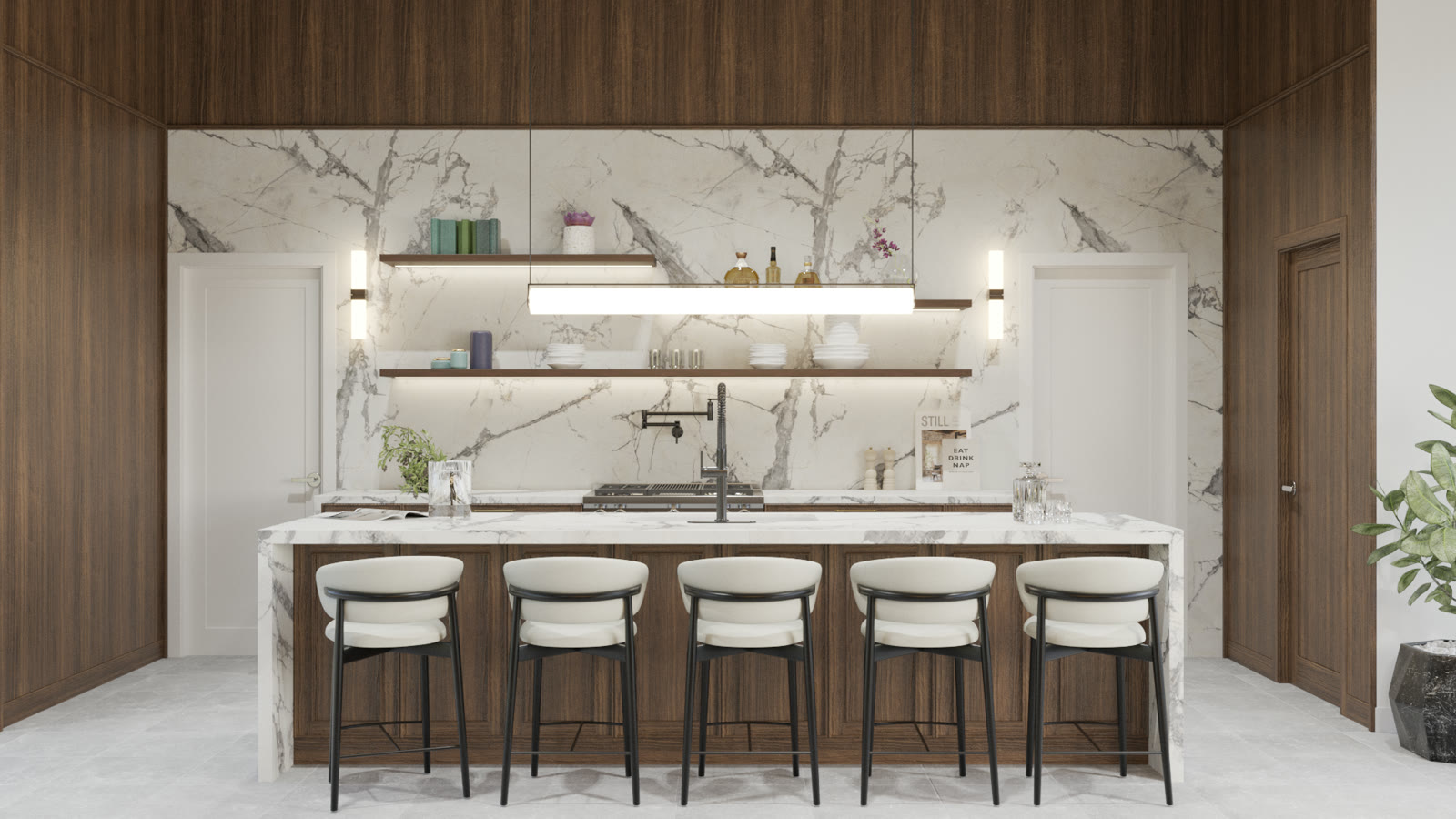
How it stays fast: we start with placeholders. Not random ones. We go through your vendors and pick pieces that look like what they actually carry. Your client says yes to the room. Then we swap in the exact pieces they're buying.
Sell the idea first. Then shop. And hand the shopping to us too: we build the final list from your vendors, every item with its link and price, ready to order.
We take the 75%. You keep the 25% that made you a designer.
The result: a seamless process. More free time, less stress, everything organized in one place, and jobs that finish faster and land faster. Happy designer, happy client. (Here are the hours you save in each area.)
Designers need their life back. I learned that early. It's part of why I never wanted to be a regular designer: even as a student, I hated all the wasted time I saw. So I found ways to skip it, and almost by accident I found a way of working that works. I feel very blessed about that. It's why we still travel and live a normal life, instead of lying awake over which lamp the client will like.
Now I want that for you. I read the Facebook groups and the Reddit threads, and it makes me sad how many designers are still stuck in the old way. You don't have to be.
How Long It Takes To Get To A Yes
Here's one room, the usual way. You know this loop. Days hunting for one sofa. The client likes half. You start over. Twice.
The usual way
- Shop for the sofa2 to 3 daysSizes, fabrics, lead times, and waiting for vendors to call back.
- Shop for the rug1 to 2 days
- Shop for the lamps1 to 2 days
- Call vendors, check stock, order samples2 to 3 days
- Put the presentation together1 day
- Meeting: the client likes half of it
- Search again for the other half3 to 4 days
- Meeting: a few more items aren't right
- And search again2 days
- Meeting: finally, a yes
About 5 to 7 weeks to a yes, and most of it is your time.
With Astratto
- Your client sends a Pinterest board, or just three pictures they loveDay 1
- You send us a board of what you think they like, and the direction you wantDay 1 to 2About an hour of your time.
- We build the first draft, with placeholders that look like your vendors' piecesAbout 1 to 2 weeksNone of your time.
- Your window to make it yours: changes with us, before your client sees it2 to 3 daysA couple of hours.
- Meeting: you present the draft, and your client sees the whole room
About 2 to 3 weeks to a yes, and only a few hours of it are yours.
An example from what we see, not a promise. Every project, client and vendor list is different.
The fix: sell the visual first. Show your client the whole room, then shop. Ask every client for a Pinterest board. No board? Three pictures they love is enough. Then send us a board of what you think they like and where you want to take it. That one habit speeds up everything.
"But Why Would I Show My Client A Lamp I'm Not Even Going To Buy?"
Because you're not selling the lamp yet. You're selling the idea: the look, the mood, the whole room. The lamp in the draft is close to one your vendors really carry, so what your client falls for is real, and buyable.
Sell the look first. Find the exact lamp after the yes, and let us do most of that too. The old way? You hunt for the perfect lamp for days, second-guessing every pick. What if they hate it? You present it. They say no. You start over.
That doubt is exhausting. Selling the look first ends it.
Not Sold On Renderings? Start With The Shopping List And The Floor Plans.
Renderings add a lot to all of this. But even without one, we take the two most tedious jobs off your desk: the sourcing and the floor plans.
Send us your vendor list and your direction. We build the shopping list from your vendors: every item with its size, finish, price and link, ready for your client. No more nights scrolling through hundreds of lamps or calling around about stock. That's whole days back on every project. (Here's how our sourcing works.)
Same with the floor plans. Send us your site measurements and notes. We draw the floor plans, elevations and millwork in CAD while you're on the next site. No more driving back to the office to draw it up yourself.
We present a draft. It's human, and clients feel that. Want to show the lighting? Add an AI rendering, and we'll help with that too. But if your client wants real human work, show the draft.
For Interior Designers: We Are The Stencil, You Bring The Flavor
You don’t need to start every project from a blank page. Here is how it can work with us, and you choose how much of it you want.
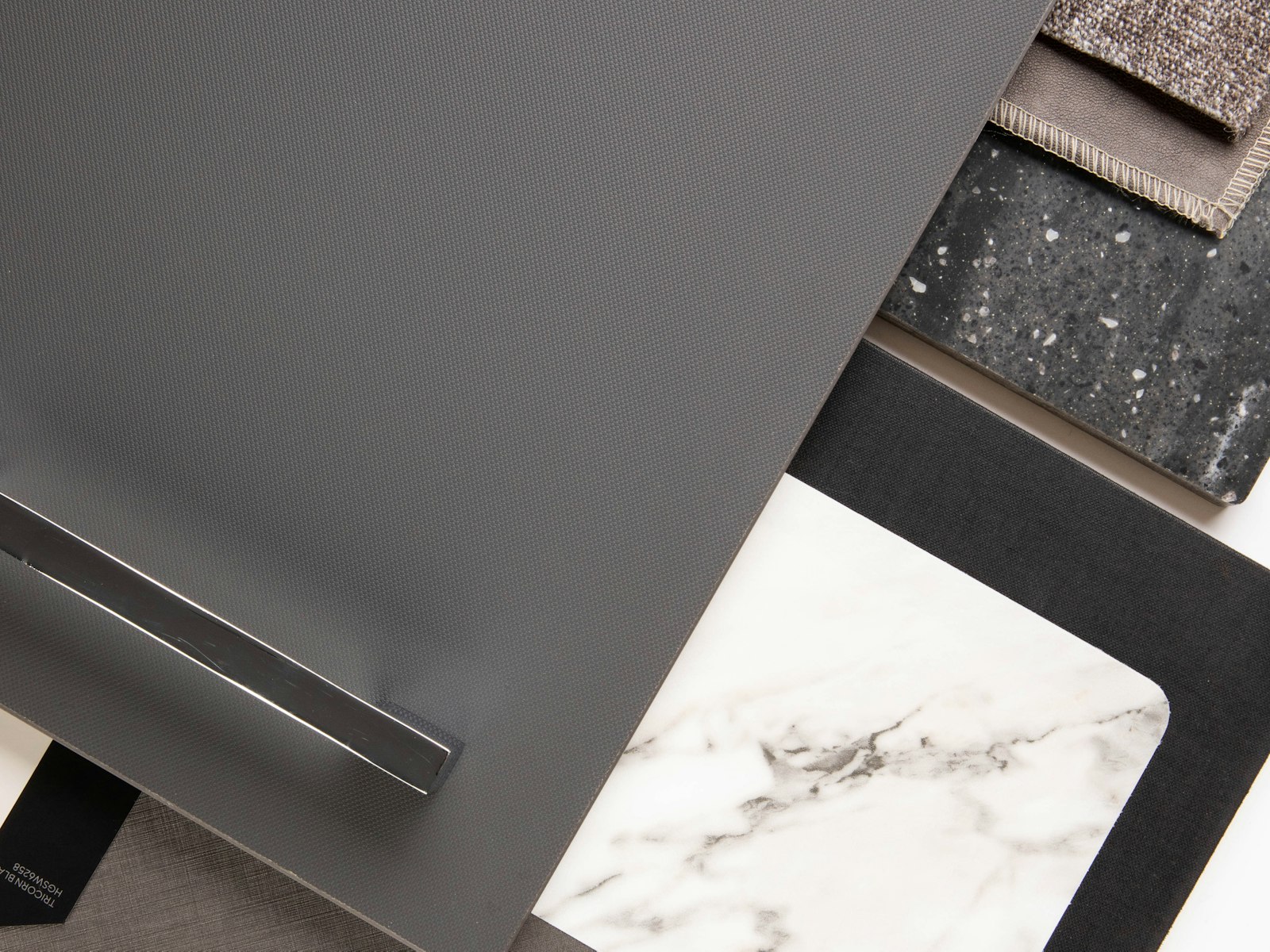
- We build on your Pinterest board. You start it from what your client told you, and we add to it from our own narrowed-down board, so the direction is set before anyone draws a line.
- We give you a first look. A starting design you can work off of. You don’t have to come up with the entire design, just make it yours on top of what we do. Think of us as the stencil. You fill it with your flavor.
- We find the products. Send us the vendor list you like to use, and we source from it and build the shopping list with items, suppliers and prices.
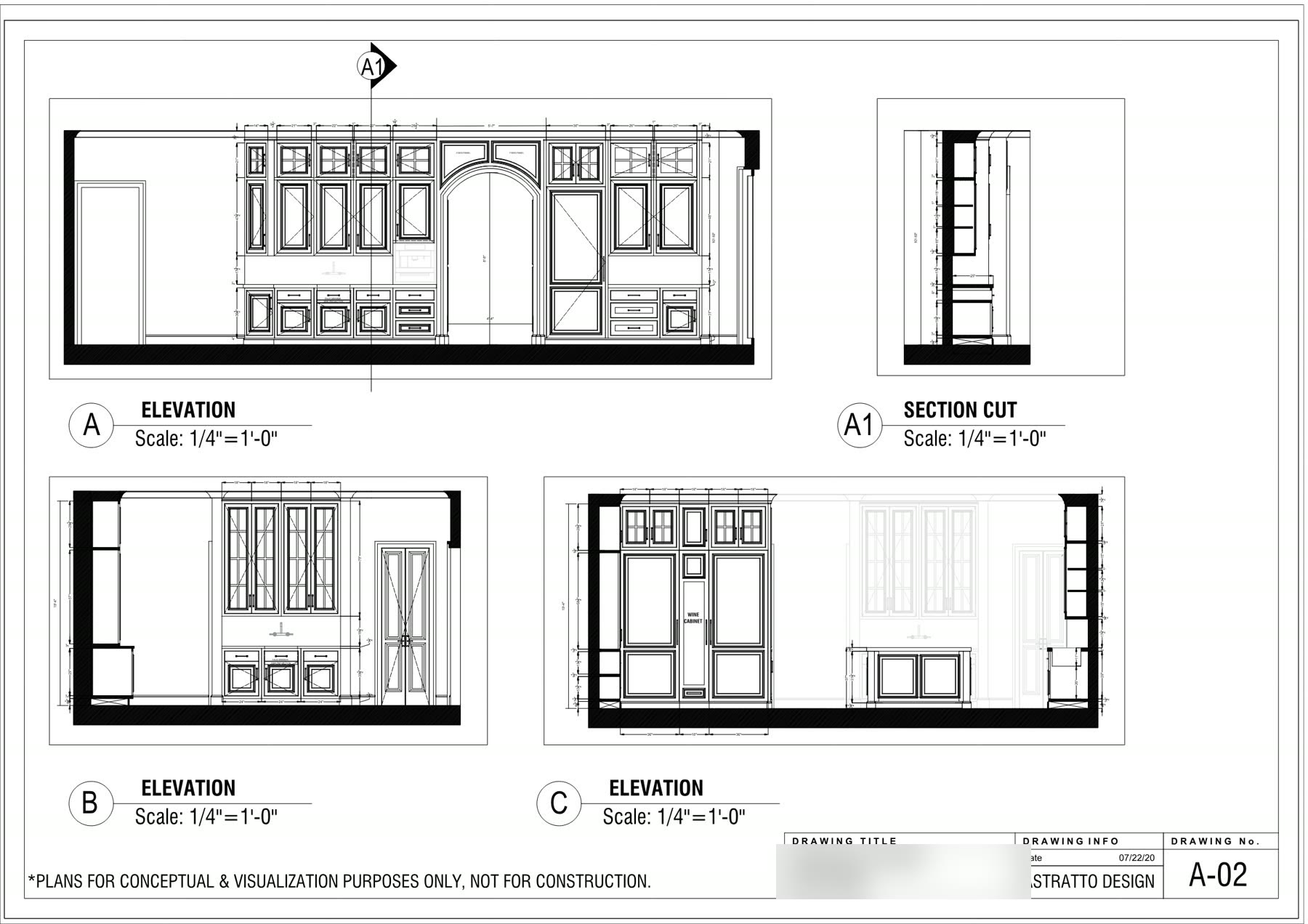
- We draw it in CAD for you to sign off. Floor plans, elevations and millwork, ready for your review and your signature.
- We render it. Photoreal renderings your client can say yes to, delivered under your brand.
You stay the designer. The client is yours, the name on the drawings is yours, and the final say is always yours. We just carry the weight.
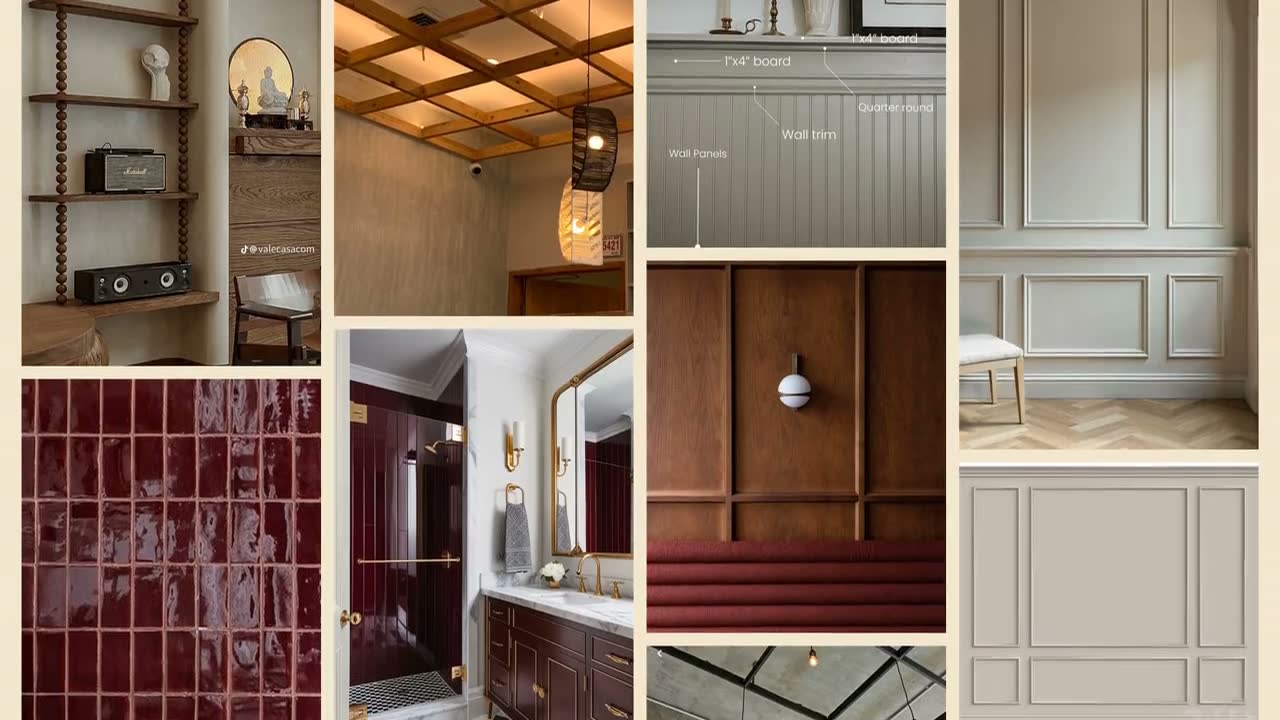
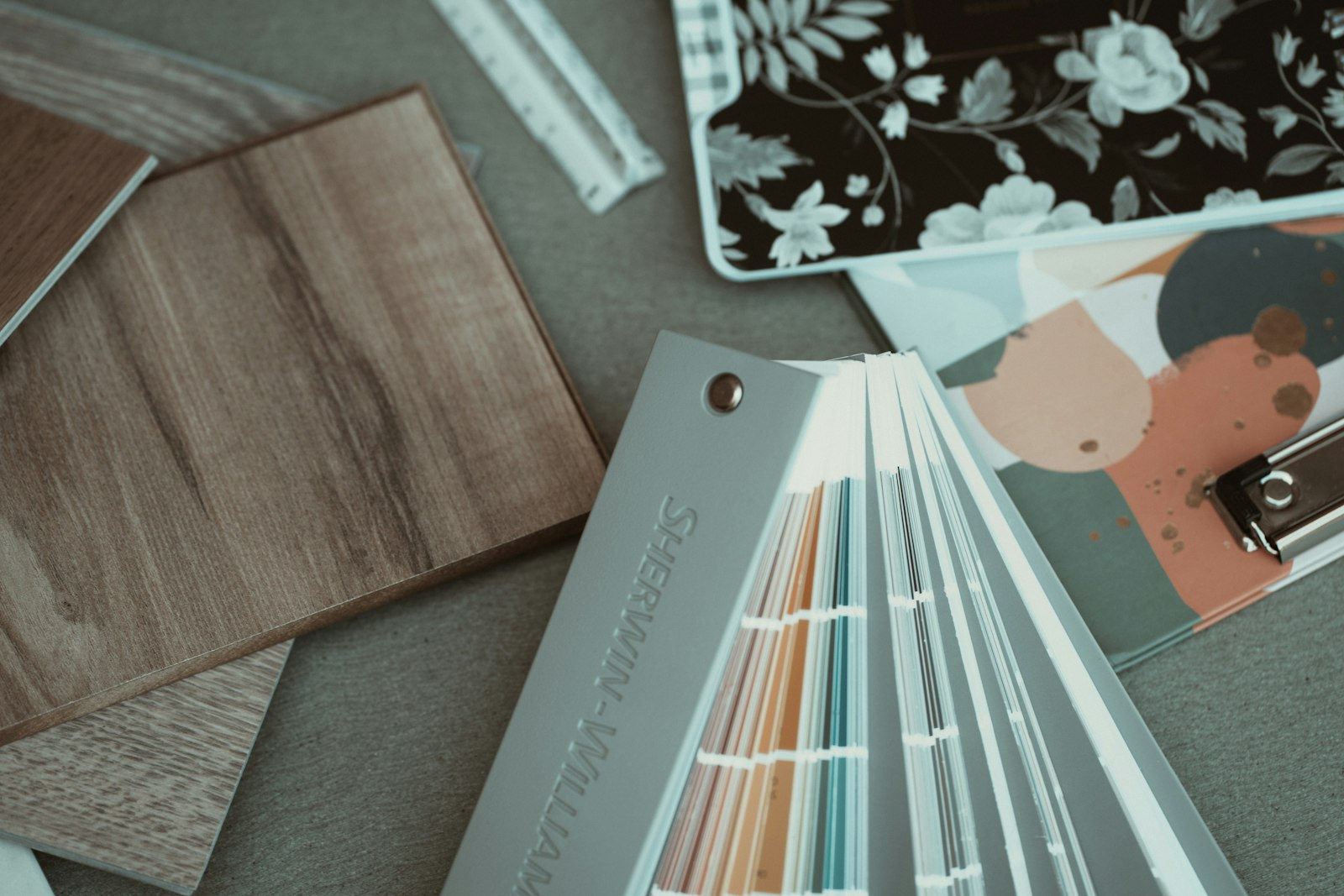
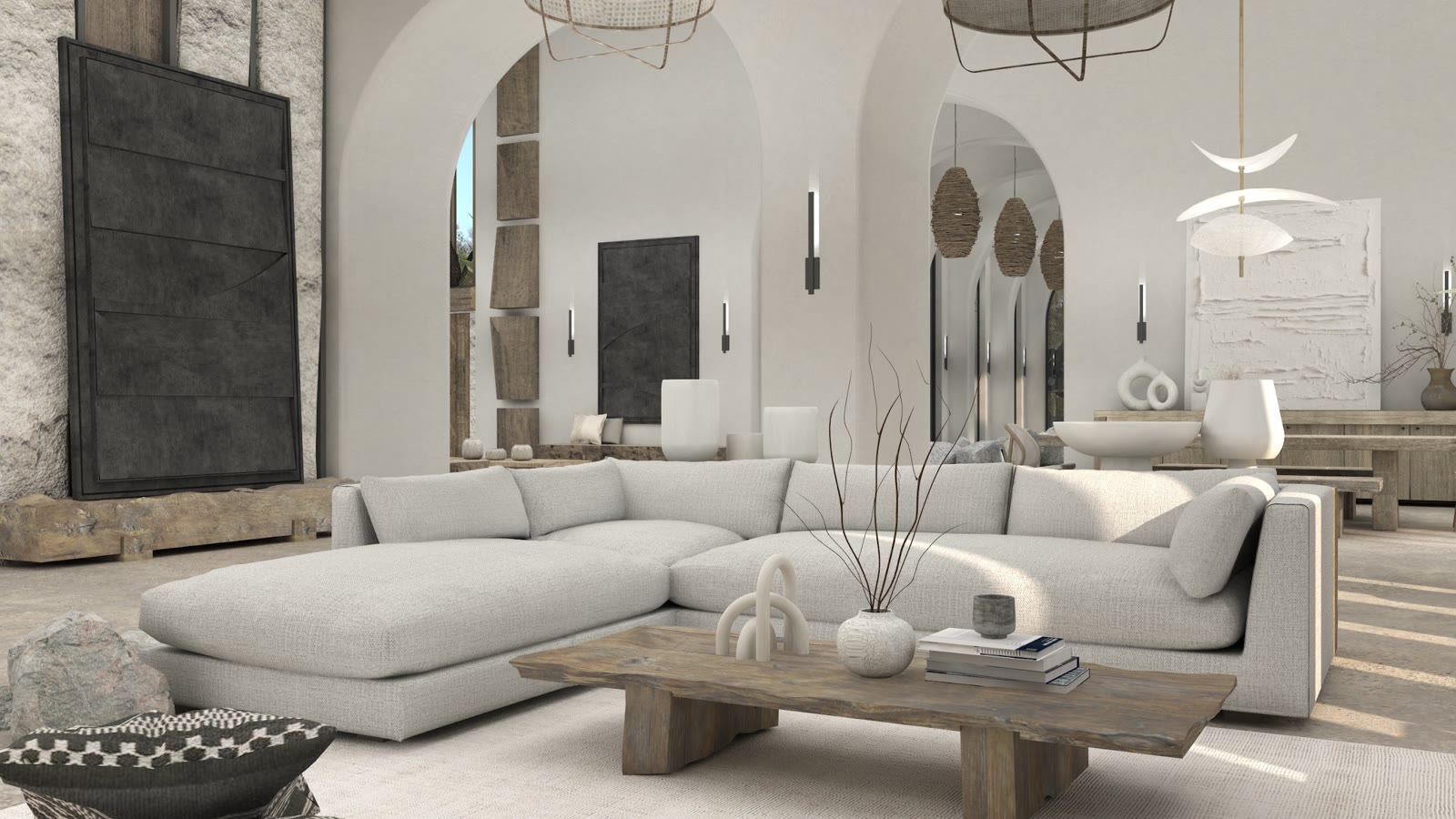
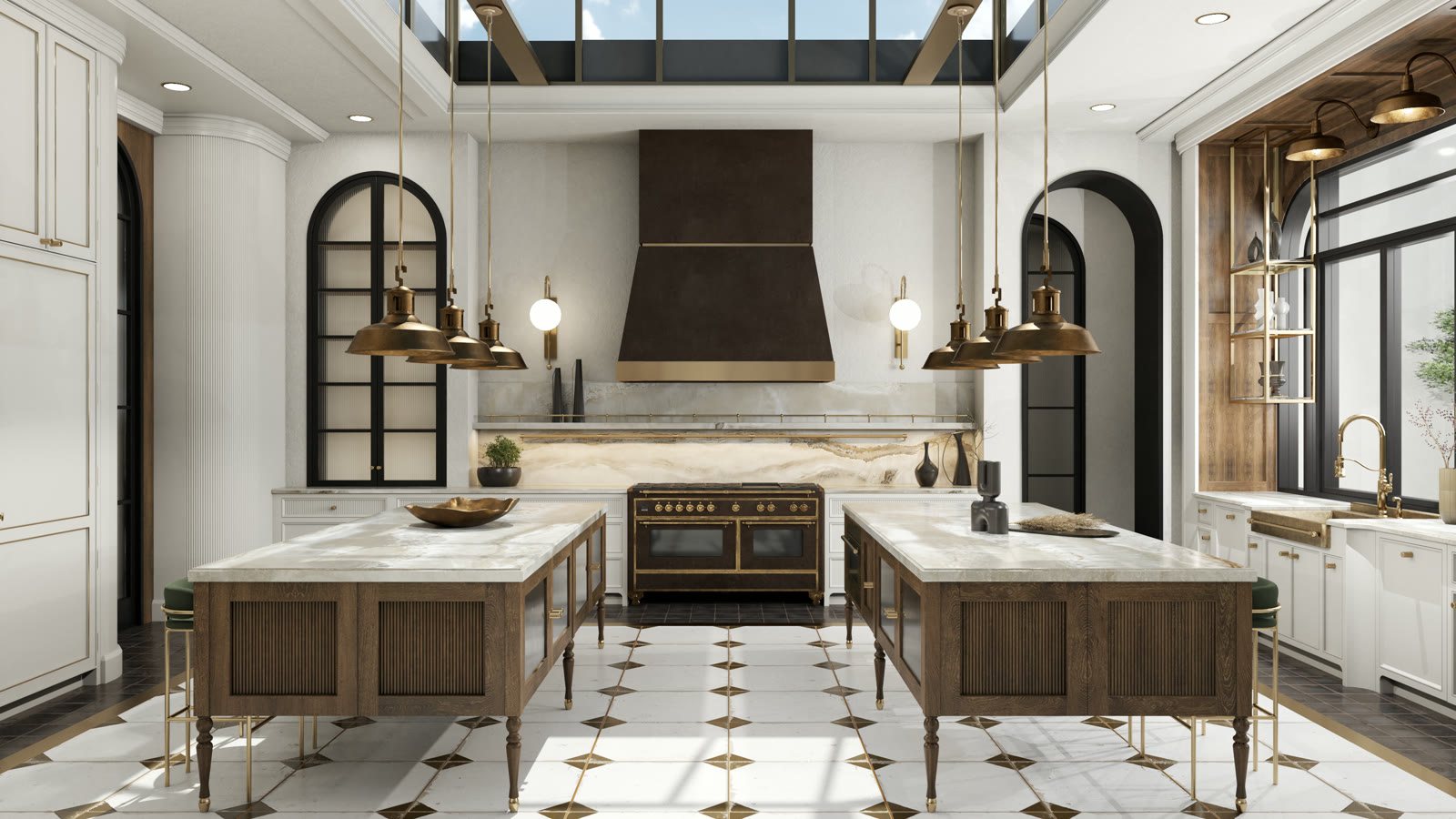
And then the part your client remembers: the renderings. Whatever your style is, warm and quiet, classic and grand, or bold and colorful, we render it the way you designed it, with your finishes, your furniture and your light.

Get To Purchasing Faster
Here is where we can really speed things up. All we need is the first inspo. Send us a Pinterest board of the idea you have, and we turn it into a 3D model, with products we already know work, or we find the pieces that match what is in the model. No more searching through endless items, only for the client to say no. Your client sees the room, says yes, and you go straight to purchasing.
So what is left for you? You sign off on the plans, place the orders, and make sure the project gets done right on site, with the construction crew building it the way it was designed. That's it.
And that searching is a big part of the job. In ThinkLab's U.S. Design Industry Benchmark survey, residential designers said they spend about 30% of their time sourcing and selecting products and another 25% creating visuals to show their design. That's more than half of their working time, 55%, spent on exactly the part we take off your plate. For commercial designers it was 58%.
How Much Time Does That Give You Back?
Every project is different, so here is one example: a single room, like a kitchen, taken from first call to final presentation. The top bar in each row is the hours a designer usually spends doing it all alone. The bottom bar is the hours you still spend when Astratto does the heavy lifting and you direct, review and add your flavor.
~78%
less of your own time on an example one-room project
59 hours alone, about 13 with Astratto
First call and brief
Pinterest and mood board
Concept design
Product sourcing
CAD drawings
3D renderings
Revisions
An illustration, not a promise. Your own numbers depend on the project, your process and how much you hand over.
Look at where the time goes. The concept is where you still spend the most of your hours with us, because that is where your taste lives. The first call stays yours too, because that is your client. Everything after it, the sourcing, the drawings, the renderings, that is what we carry. That is the time you get back to take on the next project, or honestly, to have a life.
Where The Hours Go, Area By Area
Here is the same example as a table. The usual way is the loop most designers know too well: search a hundred items, send options, the client says no, and you start searching all over again.
| Area | The usual way | You, alone | You, with Astratto | You save |
|---|---|---|---|---|
| First call and brief | You meet the client and learn how they live. | 3 h | 3 hStill yours. It's your client. | 0 h |
| Pinterest and mood board | Build a board from scratch and rework it until it clicks. | 4 h | 1 hYou start it, we build on it. | 3 h |
| Concept design | Start every room from a blank page. | 10 h | 4 hYou add your flavor to our first draft. | 6 h |
| Searching for products | Scroll through hundreds of sofas, rugs and lamps to find a few worth showing. | 5 h | 0.5 hApprove what we picked from your vendors, already shown in the room. | 4.5 h |
| Calling and talking to vendors | Call about stock, lead times, finishes and samples, then wait for the callbacks. | 2 h | 0.5 hWe gather the details. You just confirm with your vendor. | 1.5 h |
| Searching again when the client says no | Hunt for the right lamp all over again, when your client didn't even like that lamp in the first place. | 3 h | 0 hThey see the room first. If a piece isn't right, we swap it in the draft. | 3 h |
| CAD drawings | Draw the plans, elevations and millwork yourself. | 12 h | 1 hReview and sign off. | 11 h |
| 3D renderings | Model and render every view, then re-render it for every change. | 12 h | 0.5 hReview the views. | 11.5 h |
| Revisions | Redo the drawings and renders each time something changes. | 8 h | 2.5 hSend one list of changes. We make them. | 5.5 h |
| Total | One room, start to finish | 59 h | 13 h | 46 habout 78% less |
The same one-room example as the chart above, like a kitchen. An illustration, not a promise.
You're Not Disorganized. You're Missing A System.
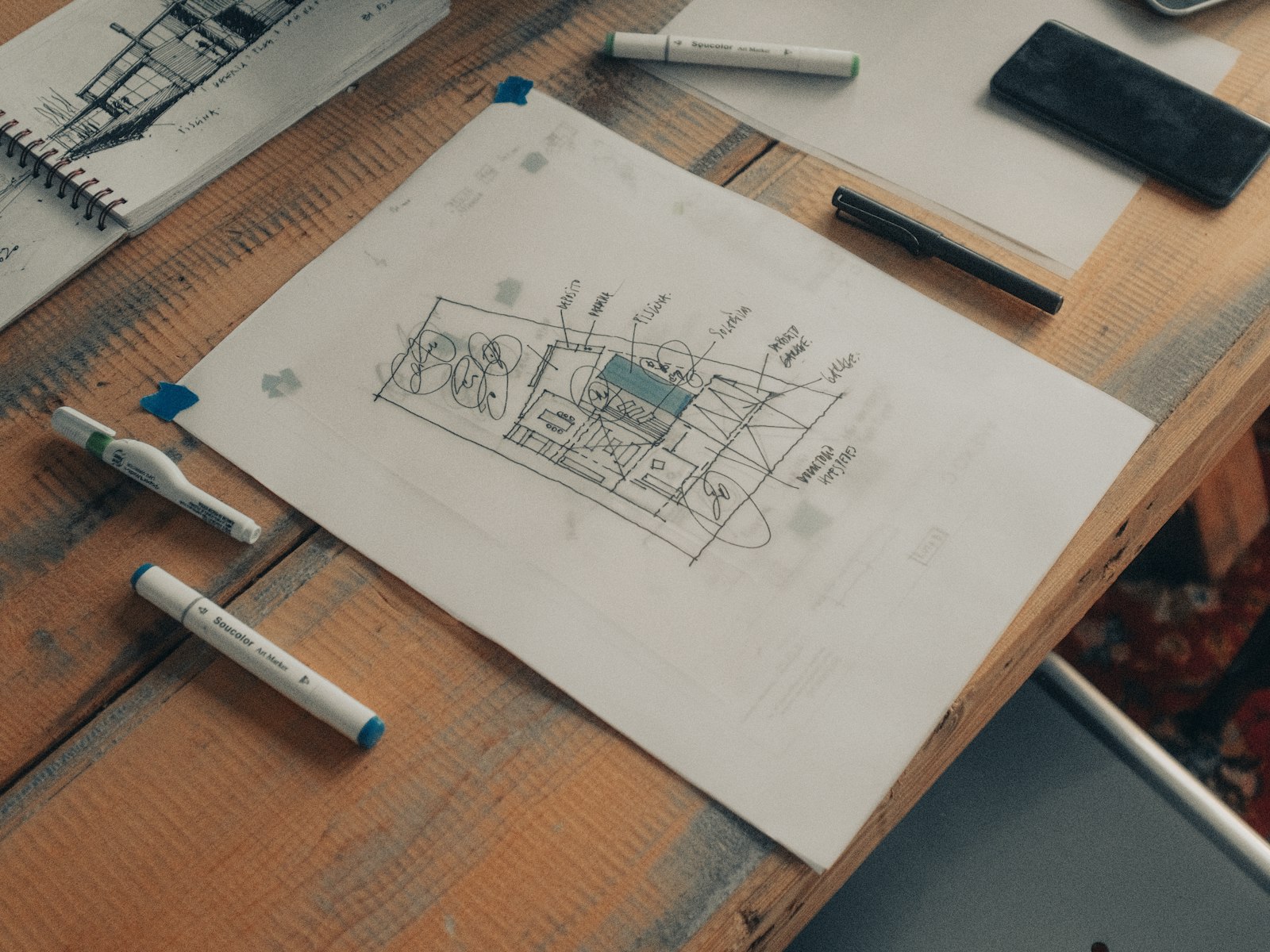
Here's your week. You're on site. You drive back to the office to put it on the floor plan, update the drawings and chase the next quote. Then you're back on site. No wonder everything feels rushed.
Almost every designer I've worked with felt disorganized and was always rushing. I don't blame them. It's not a talent problem. It's a system problem, and school never taught us one. I had to build mine myself. If I hadn't, I honestly think I would have had a heart attack. The stress of figuring it out was very, very high. I don't recommend it to anyone.
So skip that part. Let us be your system. Drop the stress, and get your free time back.
This is your wake-up call. While you're on site, we're doing everything you'd normally drive back to the office for: the floor plans, the drawings, the renderings, the shopping list. We can't be on site. You can. You can't be in two places at once. With us, you don't have to be.
What Designers Keep Telling Each Other
Sound familiar? You're not alone. Designers say it to each other in public forums all the time (summed up by me, follow the links to read them):
| The problem | What designers say | How our way fixes it |
|---|---|---|
| Sourcing eats whole days | A designer with decades in the business described about 25 hours over one week of what she calls "search and destroy," just to replace one fabric. The sofa then took 51 weeks to arrive. | We do the first pass from your vendors and keep placeholders in the draft until your client says yes, so you only hunt once. |
| Hours nobody pays for | In the same Houzz thread, designers said they're lucky to bill about two thirds of the hours they actually work, and that two hours of clicking can go by with nothing the client would call progress. | A fixed price for the production, so those hours become a known cost you can build into your own fee. |
| Wearing every hat at once | A designer with 34 years in the business put it this way: you end up wearing more hats than your head is meant to wear. | You keep the hats only you can wear: the client, the concept and the final say. We wear the rest. |
| No time to learn or run renderings | On the SketchUp forum, a designer who models every day said she was too busy to relearn V-Ray and wanted to send her renderings out. Another designer replied that he was in exactly the same boat. | We do the drawings and the photoreal renderings, so you never have to learn or run the software. |
Two Extra Weeks On Every Project. Do The Math.
Straight up: I once worked at an interior design company for a couple of months, and I had to leave. I already knew a better system. Theirs was never going to work for me, and they didn't want to change it. That's okay. We just weren't good for each other.
That goes for us too. We need to be aligned. Our goal is simple: save time, work smarter, and give you at least two extra weeks on every project.
Now do the math across a year. How many more projects could you land if every one got to a yes two weeks sooner? The site work still takes what it takes: the trades, the installs, getting everything into the home. But the back and forth with your client, the most tedious part, ends much faster.
That means a clearer mind and less exhaustion. Time for your next client, your family, travel, or just getting more creative. Not production.
Wearing Many Hats, And Learning To Delegate
If you run a design business, you know the hats. Designer, salesperson, project manager, bookkeeper, social media person, product researcher, drafter, and the one answering emails at 11 at night. I wear a lot of them too. And when you have learned to do all of it, it's so tempting to keep doing all of it yourself. Nobody will do it exactly like you, right?
Here is what I had to learn: doing everything yourself is not the same as doing your best work. Every hour spent redrawing a plan or hunting for the right faucet is an hour you are not spending with your client, on your concept, or on growing your business. Delegating isn't giving up control. It's choosing where your control matters most.
You shouldn't be wearing all these hats. We worry imperfection will get in the way. But perfection is a wall too: the one between you and more success, more money and more time. Time is money. And even if delegating doesn't earn you one extra dollar, the time you get back to actually live is priceless. Delegate.
And we practice this ourselves. At Astratto I don't do every hour myself either. We split the work so each of us does the part we are best at, and we lean on tools and people for the rest. It's what lets us take on more without the quality slipping, and honestly, it's what keeps us loving the work.
How To Start Delegating (Without Losing Your Mind)
Delegating is a skill, and like any skill, it takes a little practice. Here is what has worked for us:
- Write down every hat you wear for one week. Every task, big or small. You'll be surprised how many of them don't need you.
- Sort them into three piles. Only I can do this (your concept, your client relationship, your final say). Someone else could do this with a good brief. And I really shouldn't be doing this at all.
- Start with the one you dread. Maybe it's the drawings, the product research or the shopping list. Hand over one thing, not everything, and see what comes back.
- Give a clear brief. Your style, your vendors, examples you love and examples you don't. The better the brief, the closer the first round.
- Review, don't redo. Give honest feedback and let it be fixed, instead of quietly redoing it yourself at midnight.
- Keep the final say. Delegating the work is not delegating the decision. Your name, your eye, your sign-off.
- Then hand over the next hat. Once you trust it, add one more. That's how a one-person studio starts working like a whole team.
What The Research Says About Showing Clients The Room First
Nobody has published a clean study of how much more a design firm earns by adding renderings, and I won't make a number up. But here is what homeowners who saw their project in 3D, and the architects and designers who make renderings, told researchers.
| What was measured | Result | Source |
|---|---|---|
| Homeowners who saw their project in 3D first | ||
| Found seeing it in 3D extremely or very helpful for making their final decisions | 87% | 3D Cloud and Provoke Insights, Kitchen & Bath Study, 2025 |
| Said 3D made remodeling decisions less stressful | 80% | 3D Cloud and Provoke Insights, 2025 |
| Want 3D every time they plan a home project | 77% | 3D Cloud and Provoke Insights, 2025 |
| Agree 3D is key to being happy with the finished project | 76% | 3D Cloud and Provoke Insights, 2025 |
| More likely to choose the retailer that offers 3D | 74% | 3D Cloud and Provoke Insights, 2025 |
| Designers and architects who make renderings | ||
| What clients value most, according to 1,100+ architects and designers: still renderings, conceptual and photoreal, ahead of animation, VR and AR | #1 and #2 | Chaos and Architizer, State of Archviz 2024/25 |
| Architects and interior designers already using drafting and rendering software | 84% and 58% | Houzz, 2025 State of the Industry |
| Whose clients ask for changes to the renderings | 85% | Chaos and Architizer, 2024/25 |
| Who call slow rendering times a major challenge | 43% | Chaos and Architizer, 2024/25 |
These are what the studies found, not a promise. The homeowner survey (400 people who remodeled a kitchen or bath) was paid for by 3D Cloud, which sells 3D planning tools, and run by an independent research firm, Provoke Insights.
So people who see the room first decide with more confidence, stress less and want it again next time. Most architects and more than half of designers already show clients the room first, most of them get asked for changes, and more than 4 in 10 say rendering is too slow. The question is who draws it, and who redraws it.
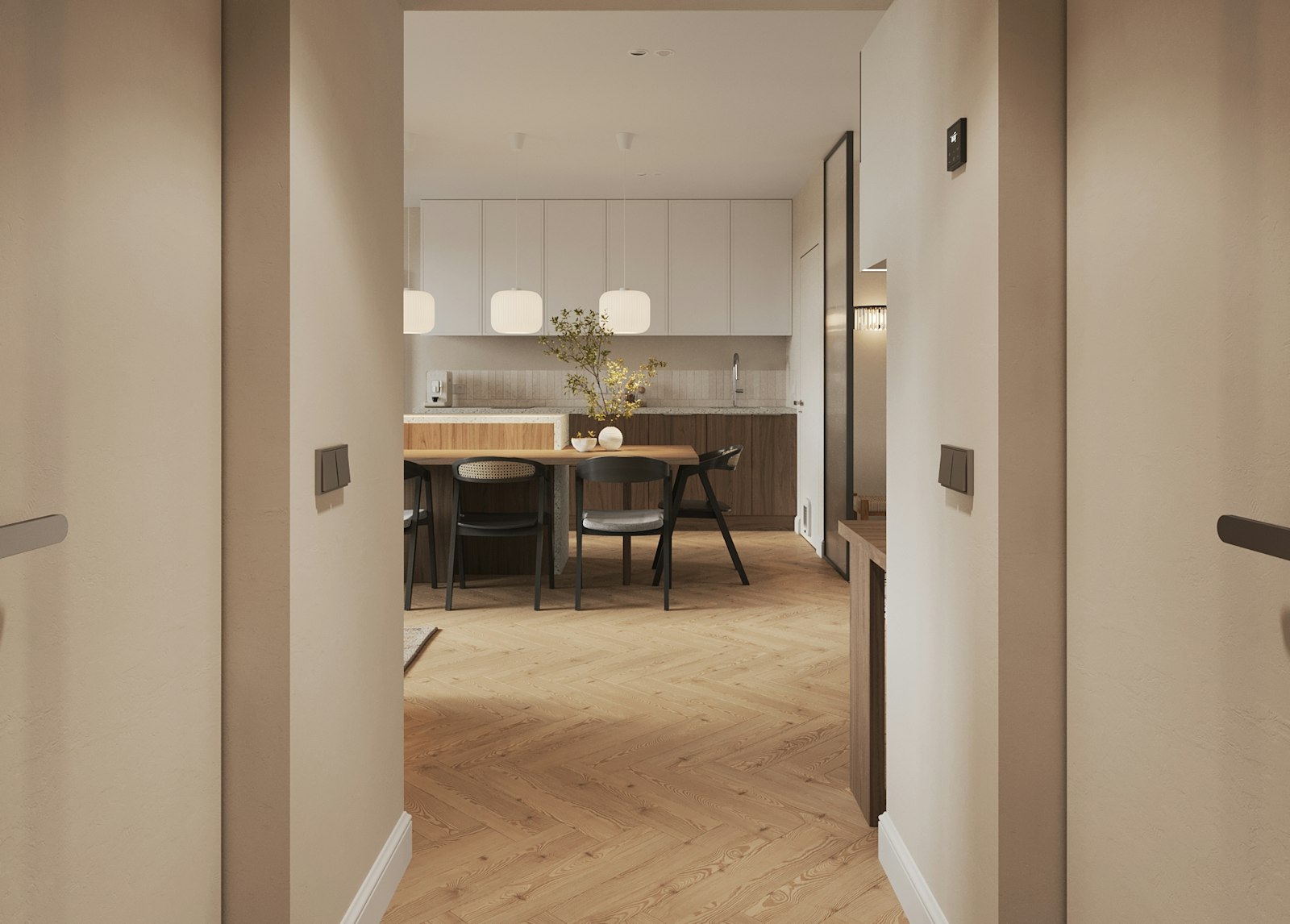
This is what your client gets to see before a single thing is ordered:
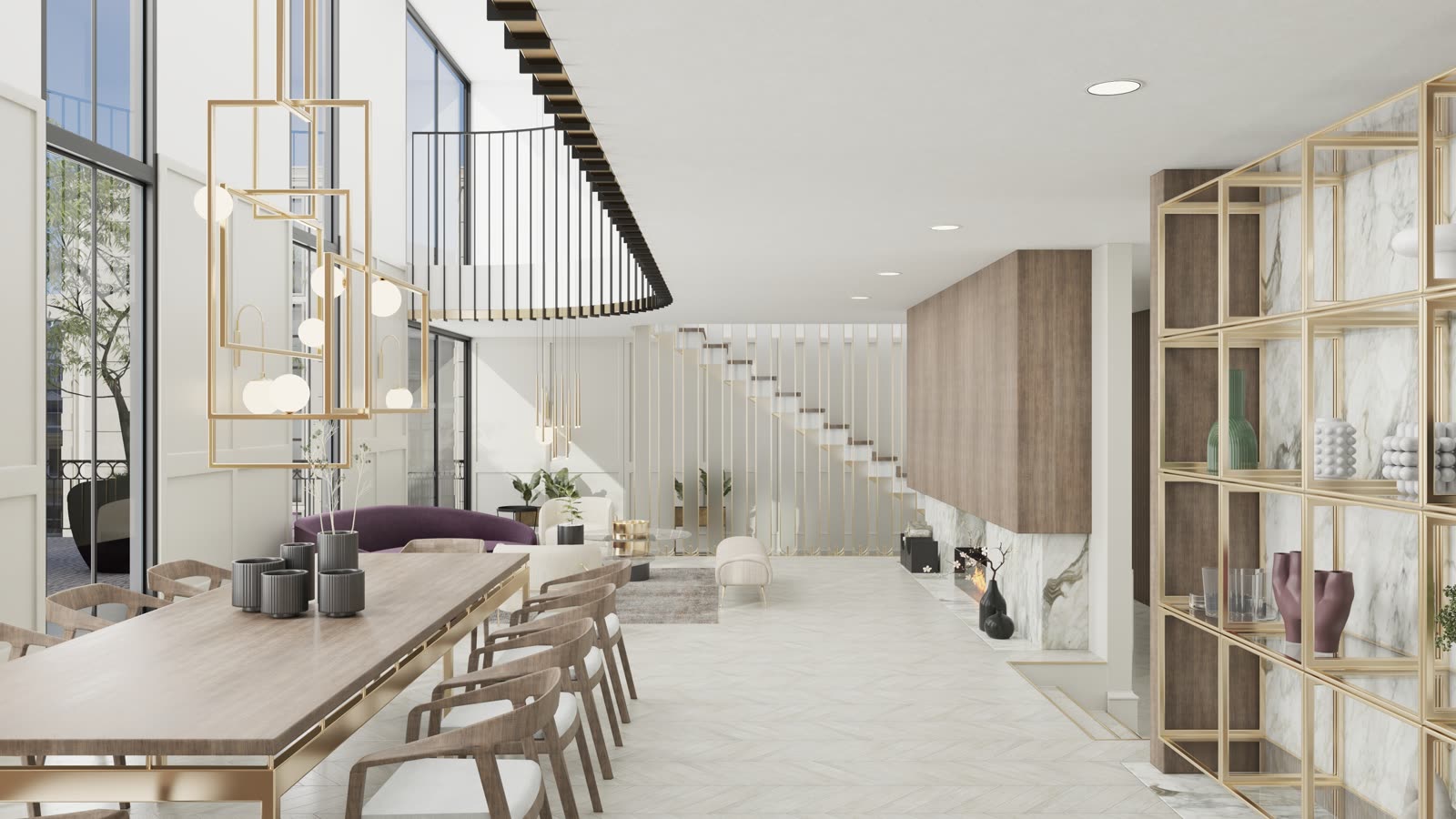
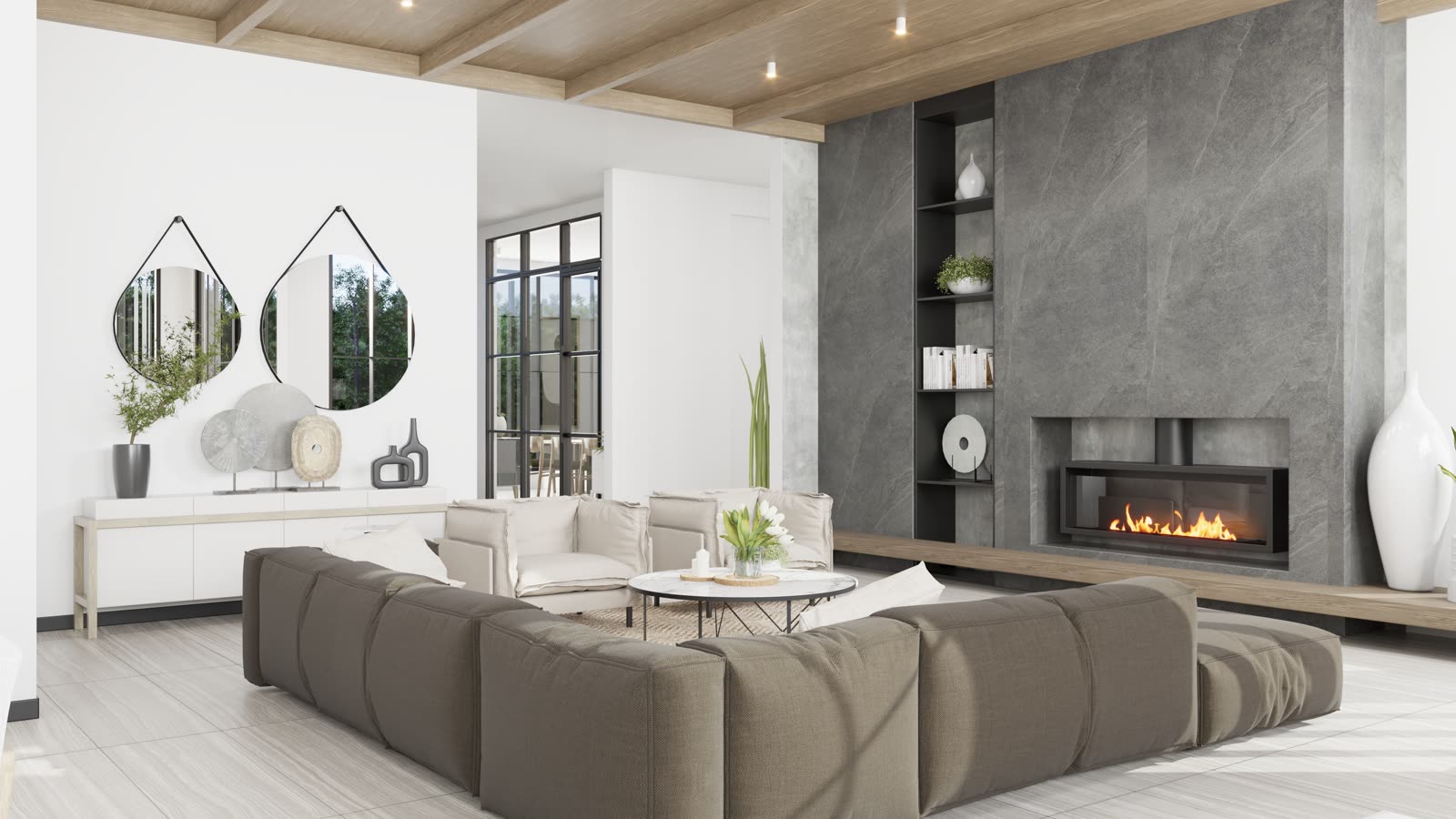
What People Say On Reddit
Studies are one thing. Here is what real people say, in their own threads (summed up by me, follow the links to read them):
- A contractor lost a $20,000 deck job to a quote $2,500 higher than theirs, and put it down to the "digital" side of the other pitch. It hit 1,400 upvotes and more than 450 comments. One reply: showing the client 3D makes them feel comfortable and makes the quote more accurate.
- On r/Architects, a whole thread on clients asking for high-end 3D renderings before they will even agree to work with a firm. Clients expect to see it first.
- A homeowner who paid for a 3D rendering of every room in the house said the money paid itself back, and more, because they made the right decisions from the start.
- Asked what was hardest about remodeling, one homeowner said they know what they like but need to see it, and a really good rendering is what helps.
- Another, deciding whether to pay a kitchen designer, wanted renderings because they couldn't picture the room from the flat plans.
Architects And Contractors: A Post Just For You Is Coming
This one is for interior designers. But we work with architects and contractors too, and you'll get your own post soon.
The short version. Architects: you make a space unique. We bring the other half, the comfort and the coziness that make it feel lived in, and we solve the interior details so you don't get stuck in them. Use your vendor list, or use our direction as a guide. You don't have to buy the exact lamp; the look is already decided.
Contractors: here's a smart move. Let us do the design first, then hand it to a local interior designer who only has to make it real on site. It costs you less, and for her it's a dream job.
What We Hand Over
- Your Pinterest board, built out with ours
- The design, ready for your flavor or your sign-off
- CAD floor plans, elevations and millwork drawings
- Photoreal renderings, and video walkthroughs if you want them
- The shopping list, from your vendors, with prices
- Everything under your name, in your format
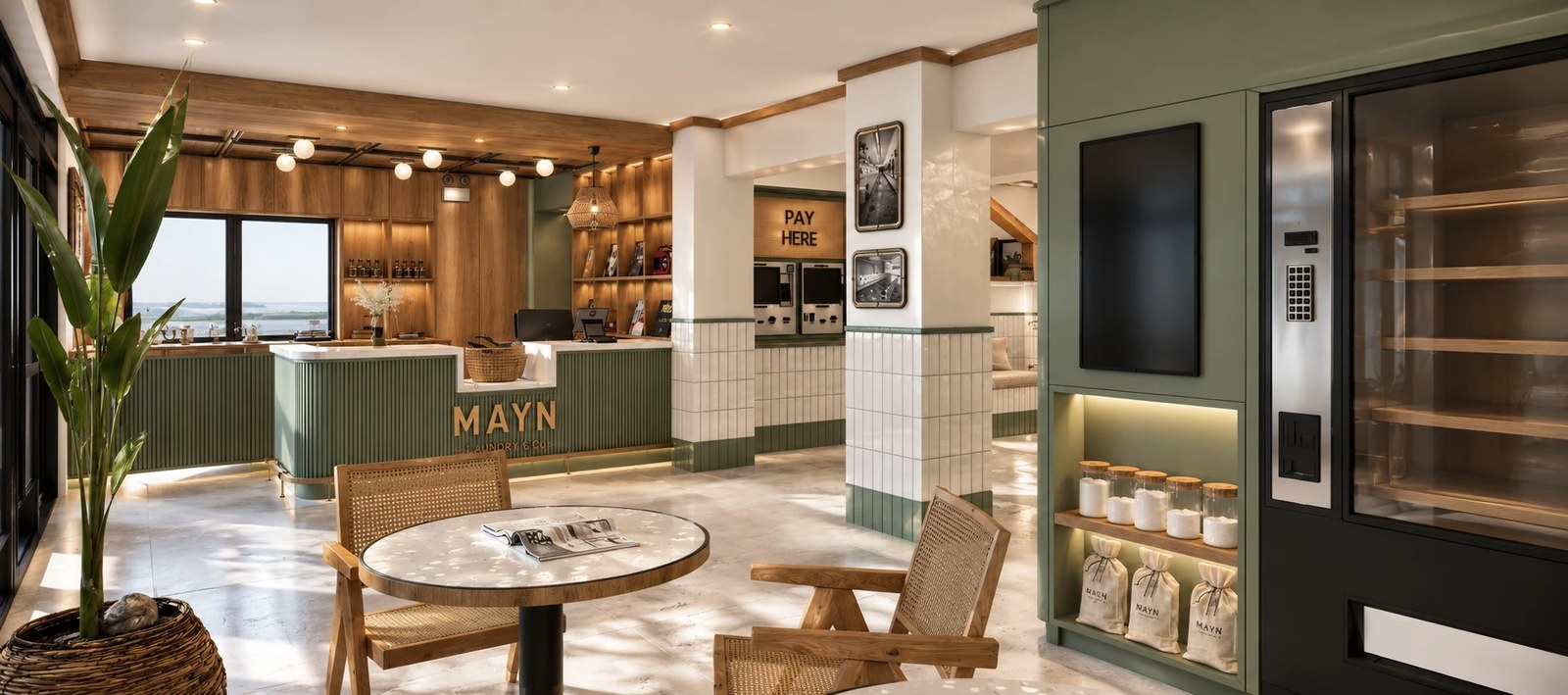
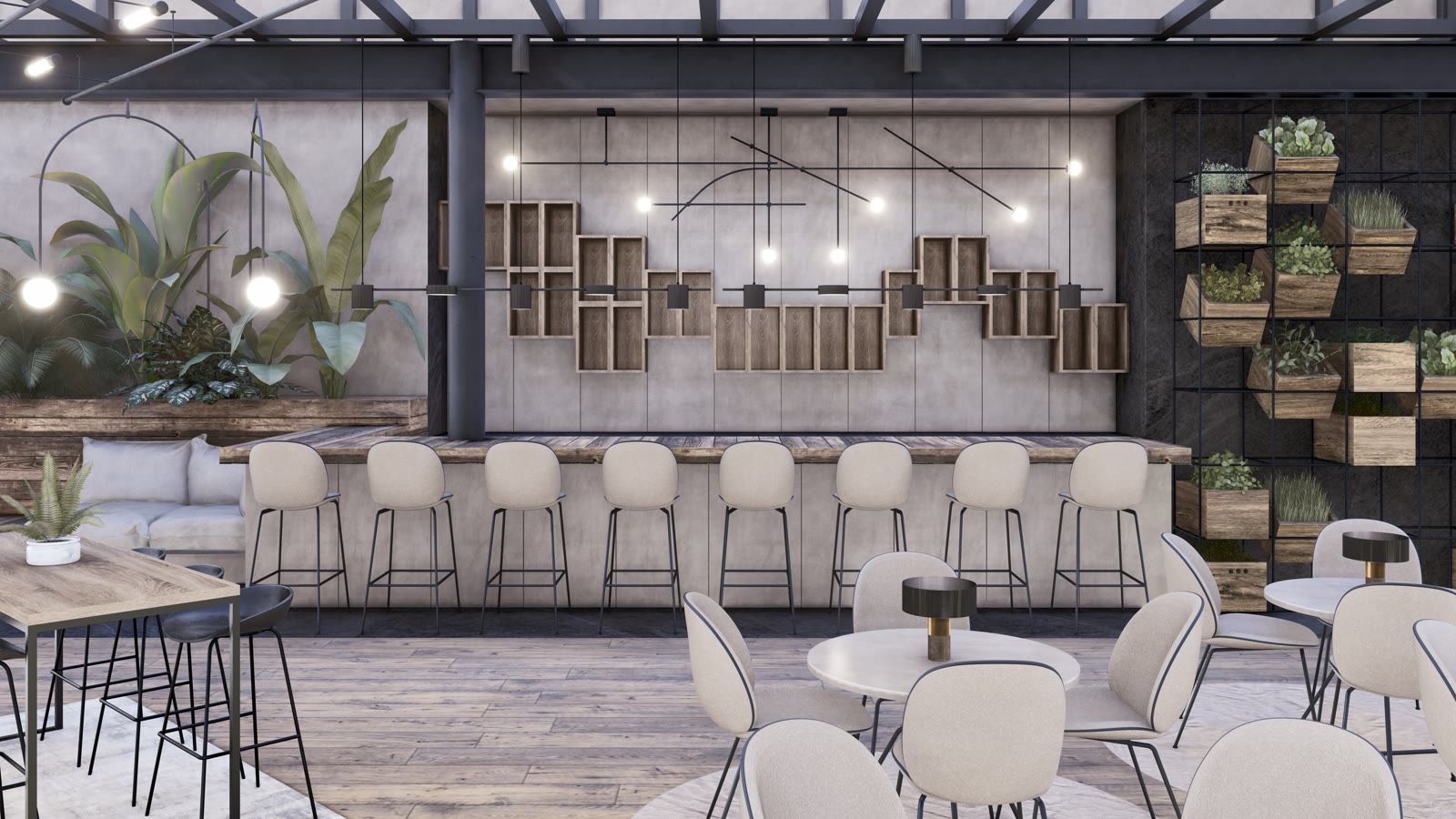
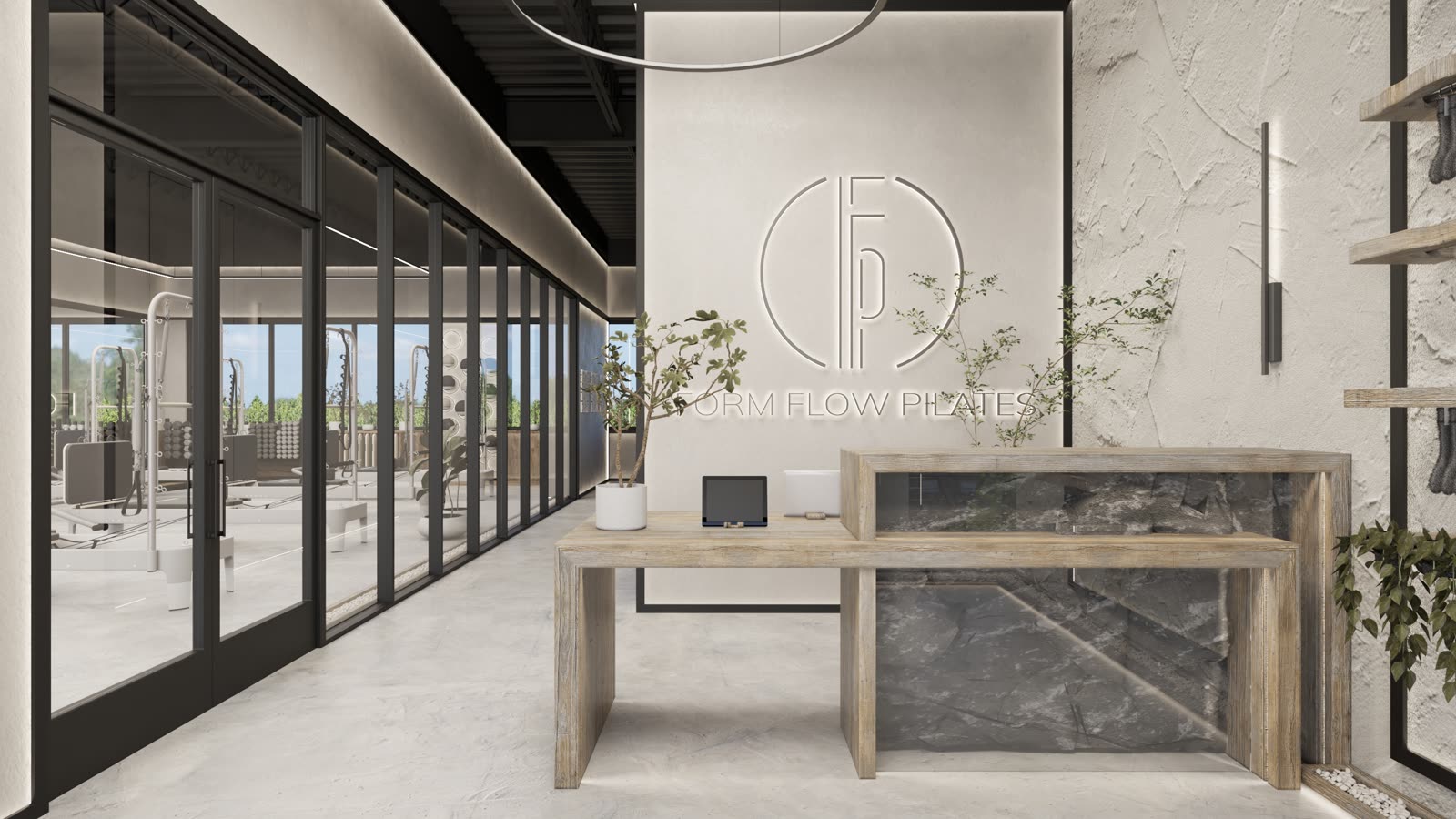
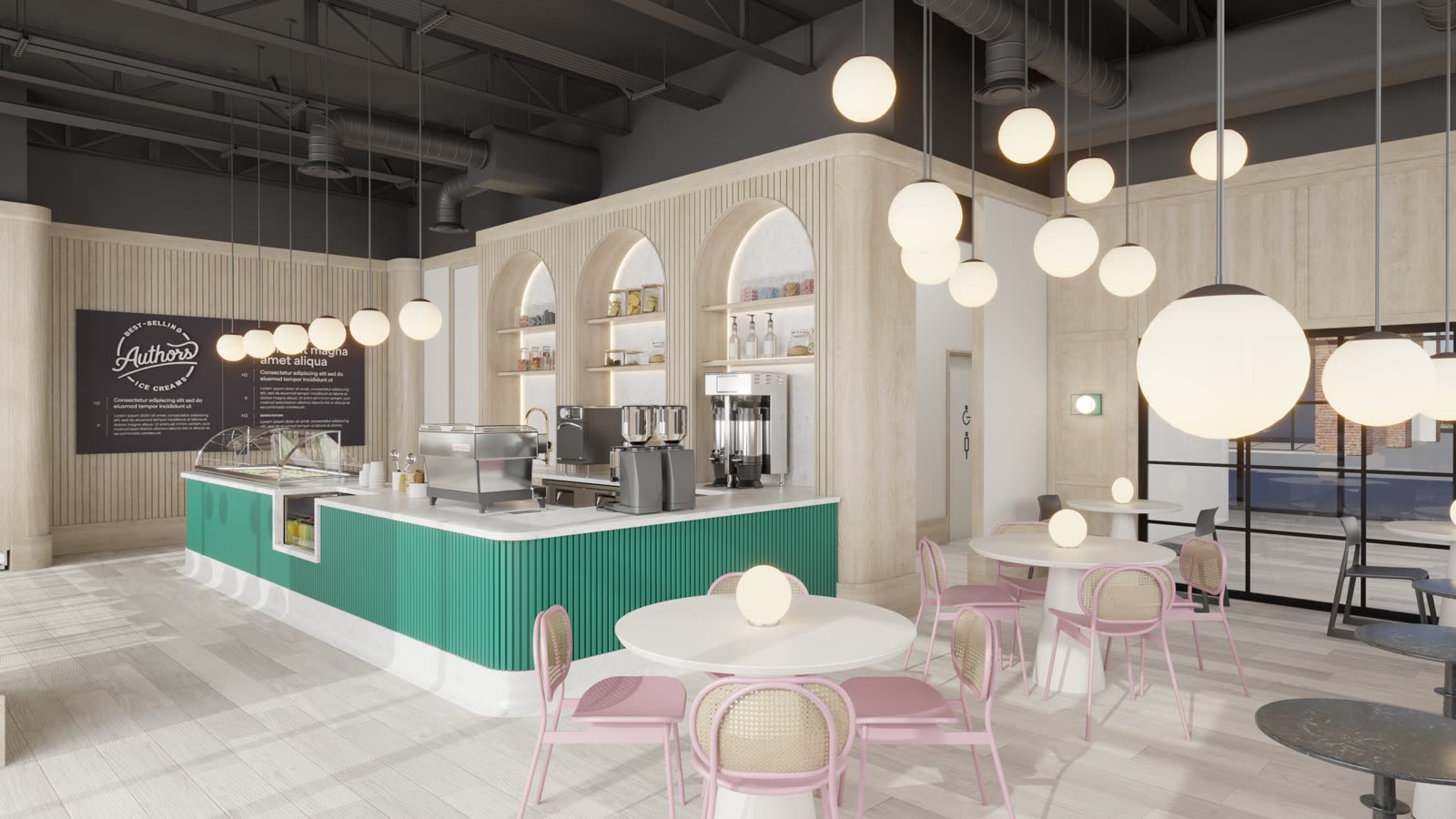
Homes, and businesses too: shops, studios, salons and clubs.
Let Us Carry The Weight
So be honest with yourself. Is the way you've been working the only way, or just the way you've always done it? Rethink it.
Design is still a human job. It needs your eye, your relationships and your judgment. But it doesn’t need you to do every hour of it yourself. Let Astratto be the team behind your team, and spend your time on the part that made you want to do this in the first place.