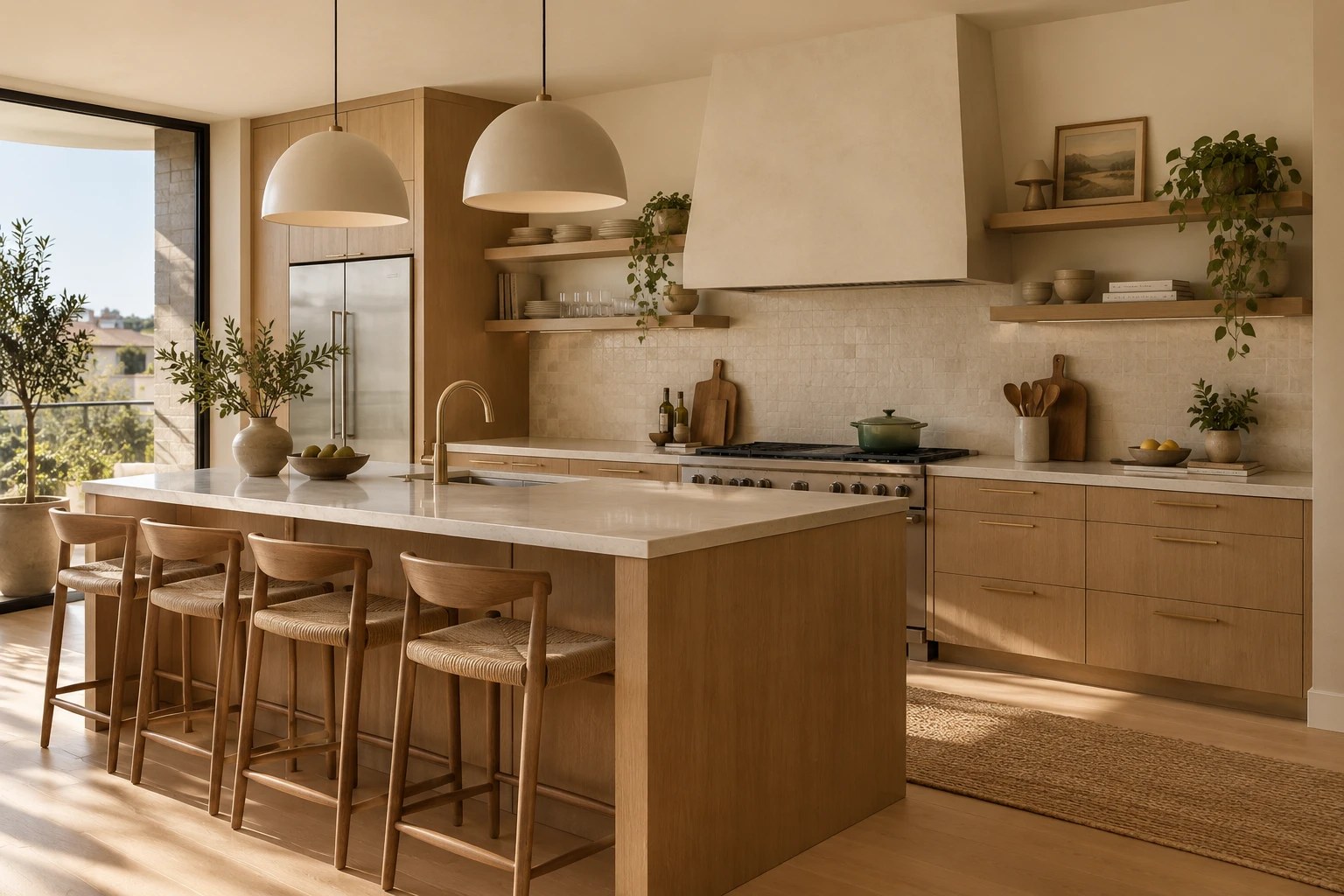
This one is for my fellow designers and architects. I know the feeling. You open your phone and someone has made a gorgeous kitchen in ten seconds, or a whole house, or a hotel lobby, and a little voice goes: is this it? Is AI taking over what we do?
Here is my honest answer. No. But it is changing how we do it, and fast. And the designers who are going to do well are not the ones who ignore it or fight it. They are the ones who learn it now, while it is still new, and use it to their advantage. If you can't beat them, join them.
I say this as someone who lives in both worlds. At Astratto Design we work every day with designers, architects and contractors, and AI is now part of how we do it. So this is not theory, it is what we see on real projects.
And it is not just a feeling. In the UK, the Royal Institute of British Architects asks its members about AI every year. In one year, the share of architecture practices using it jumped from 41% to 59%.
Architecture practices using AI
Don't Be Intimidated
I wrote about why you should use AI and why you should also use a person, from the client's side. From our side it is the same story. AI makes pictures. Beautiful ones. But a picture was never the job. The job is the decision: what goes where, at what size, in what material, from which supplier, for how much, and whether it will actually get built and work for the people living in it. AI doesn't do that. We do.
What it does do is take away a lot of the slow parts. And honestly, a lot of the slow parts were never the reason any of us got into design.
And most architects see it the same way. In that same survey, only 4% think human creativity will no longer be needed to design buildings. The worries are real, but they are about how AI gets used, not about being replaced by it.
What architects think AI will do
Hopeful
Worried
What AI Is Really Good At Right Now
Here is a real example. A client wants a bakery that feels Parisian, warm and a little romantic. Before AI, getting to a first picture like this would take days. These took minutes.
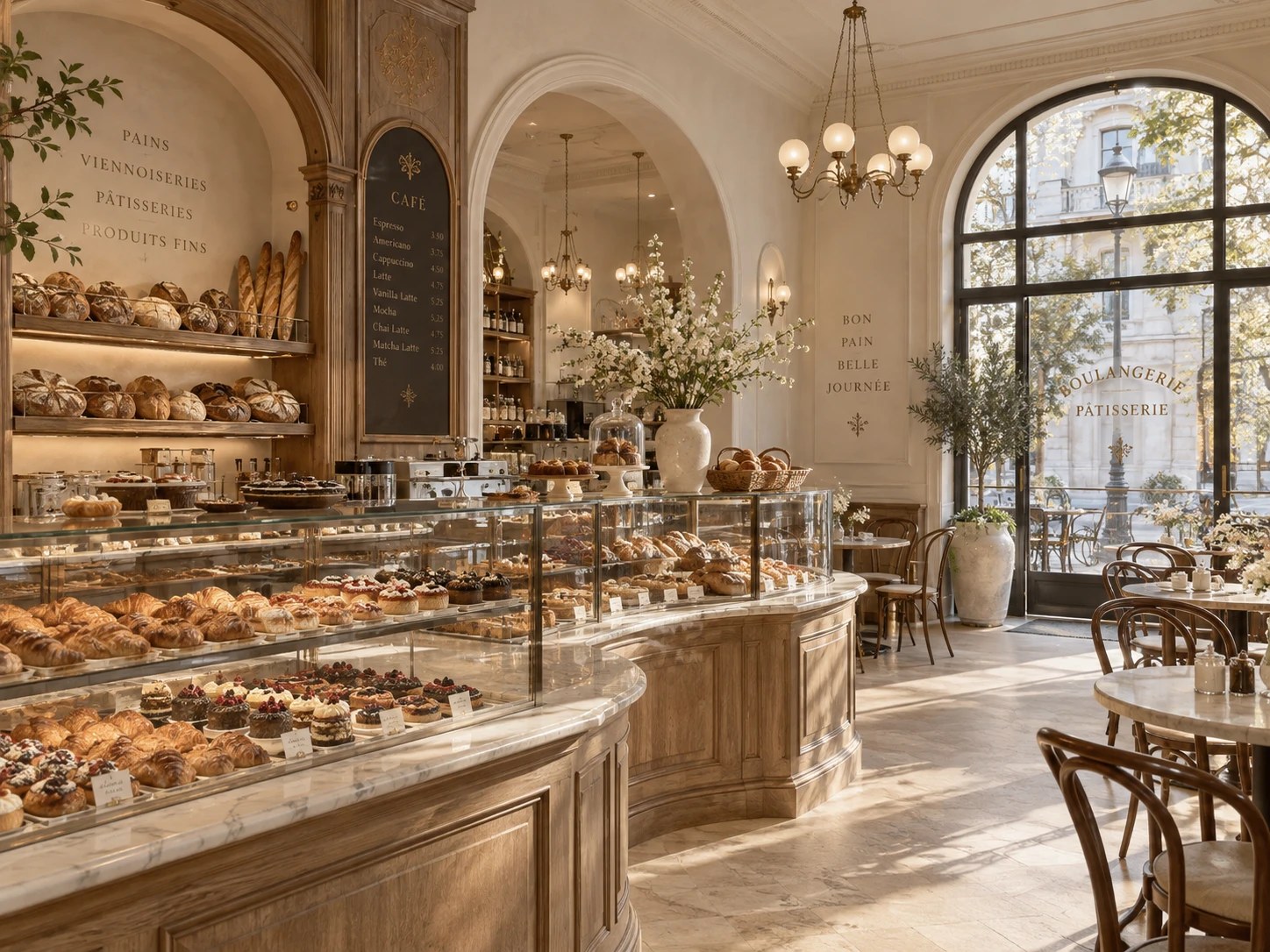
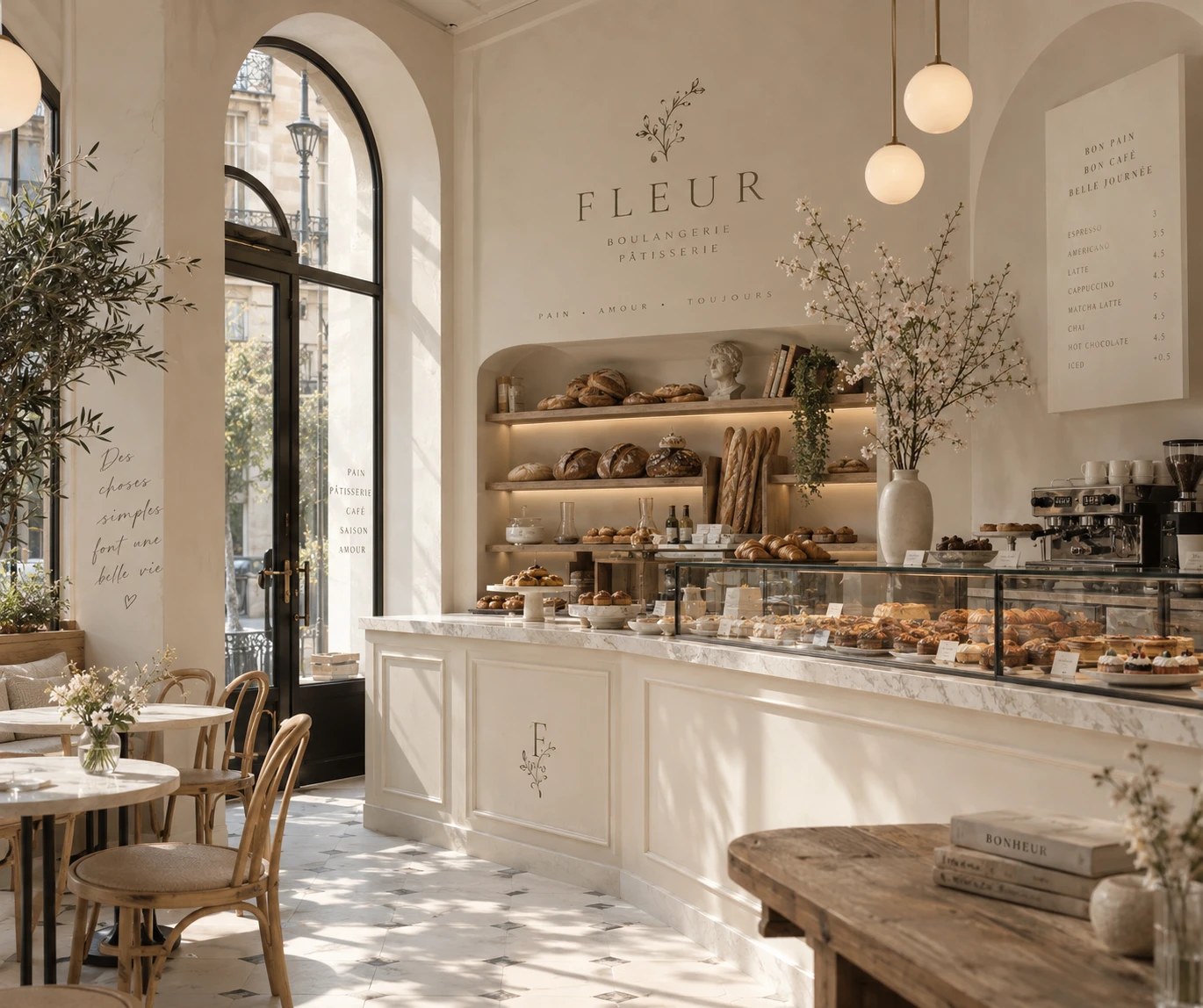
Beautiful, and none of it is buildable yet. Every sign, every price, every light fixture and every chair was invented. The counter has no dimensions and the case has no supplier. That is where the real design starts, and that is the part AI hands back to us.
Same thing with a coffee and record shop. Six tries, six very different rooms, all in one afternoon.
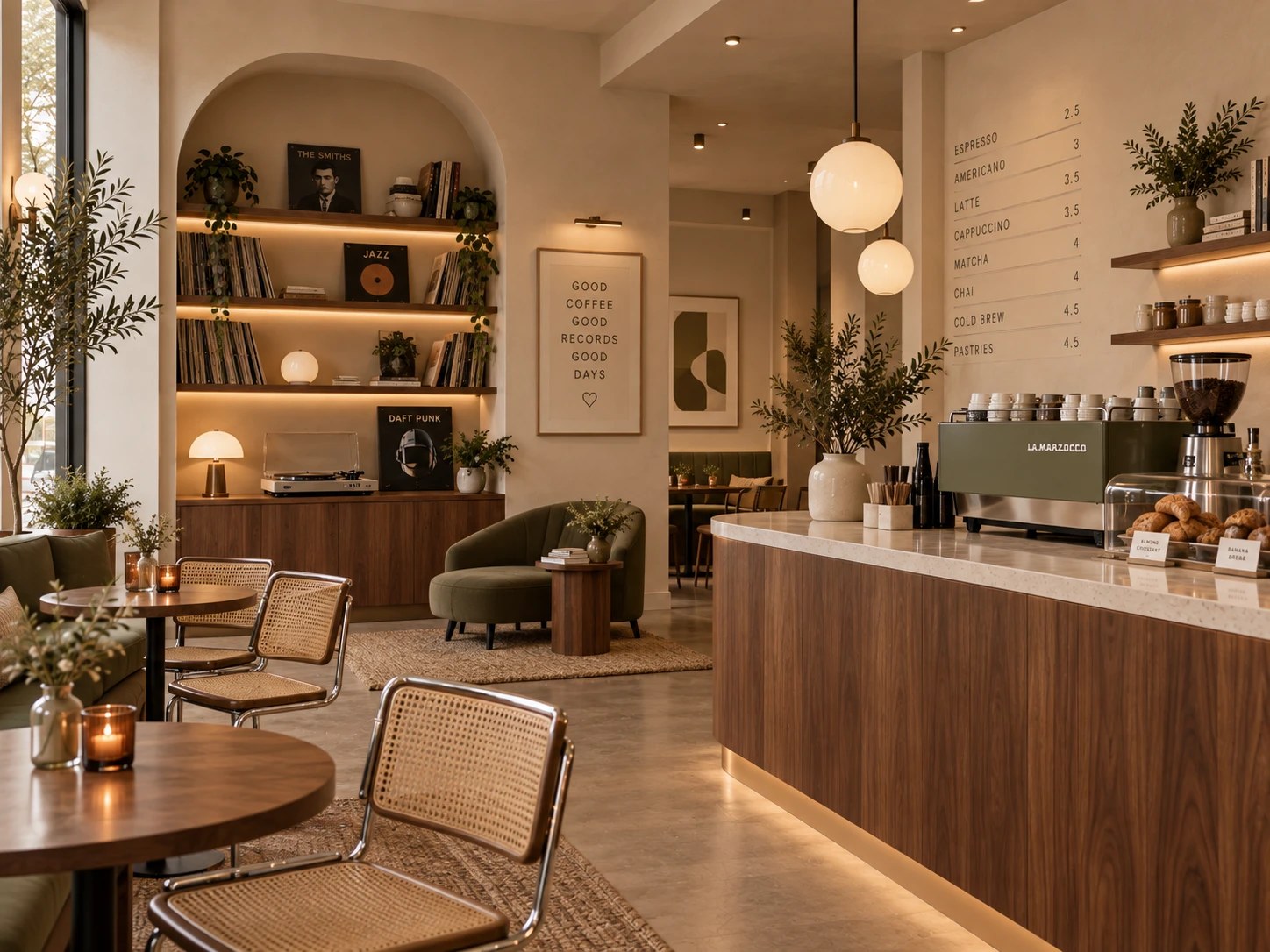
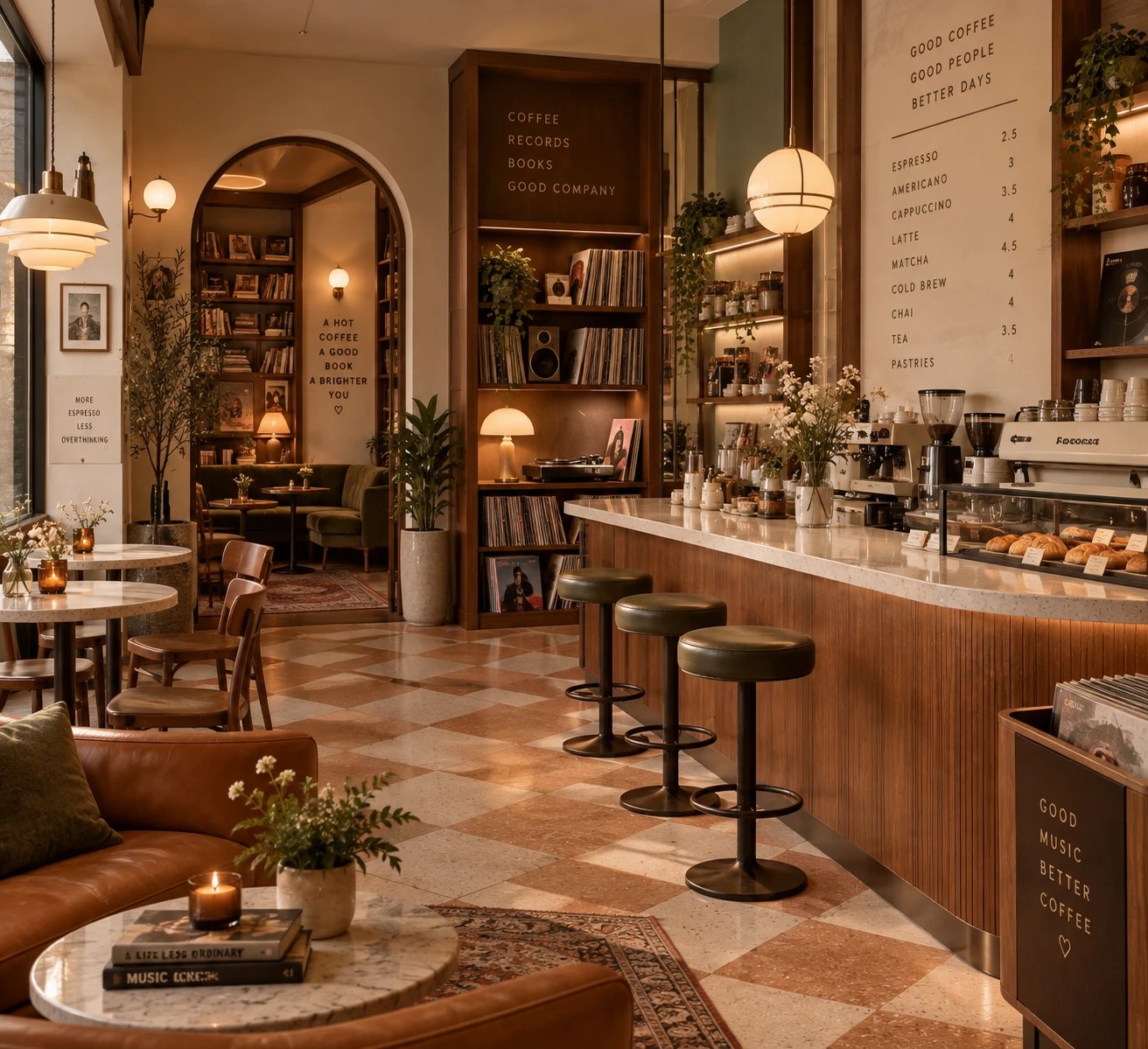

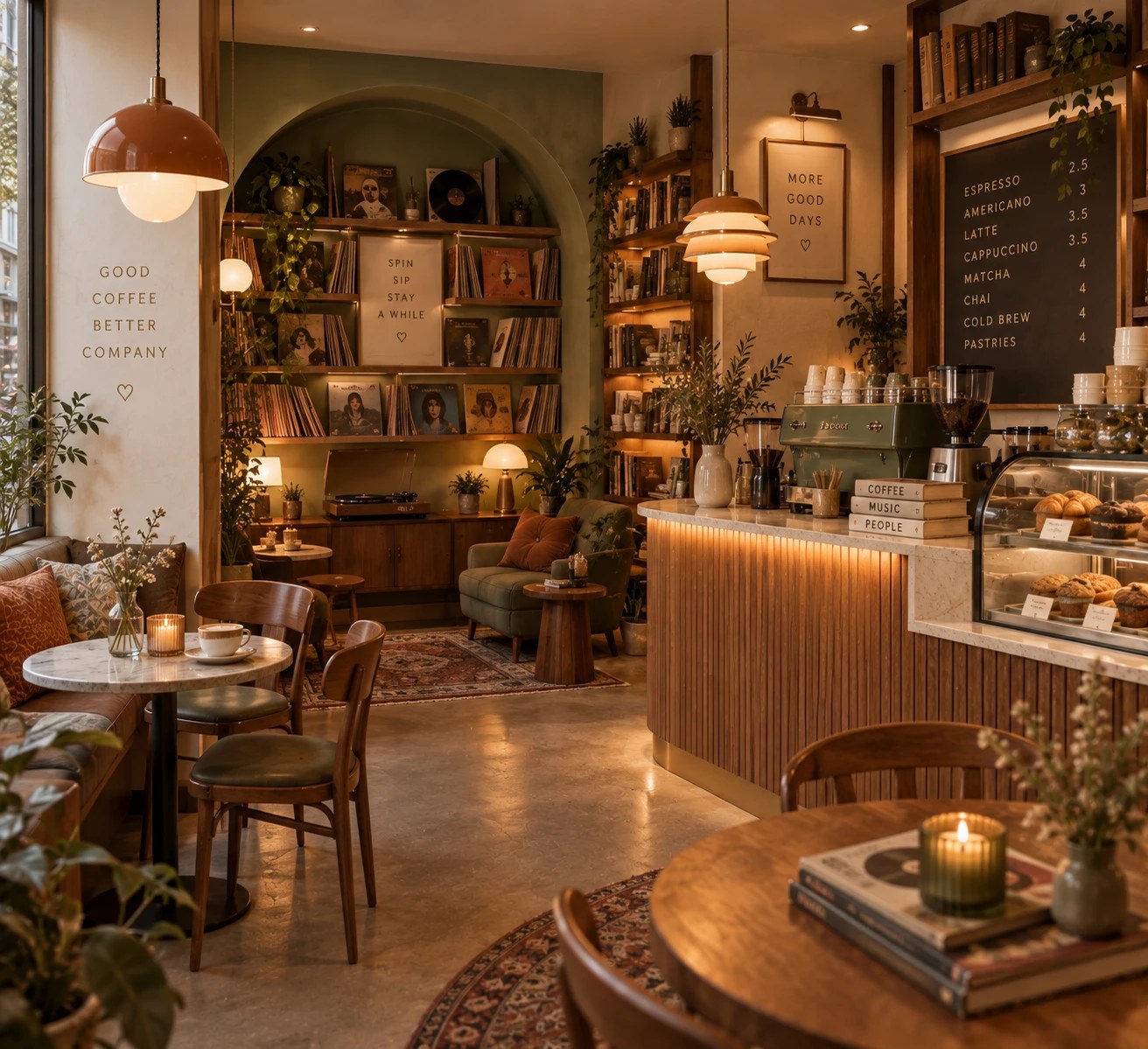

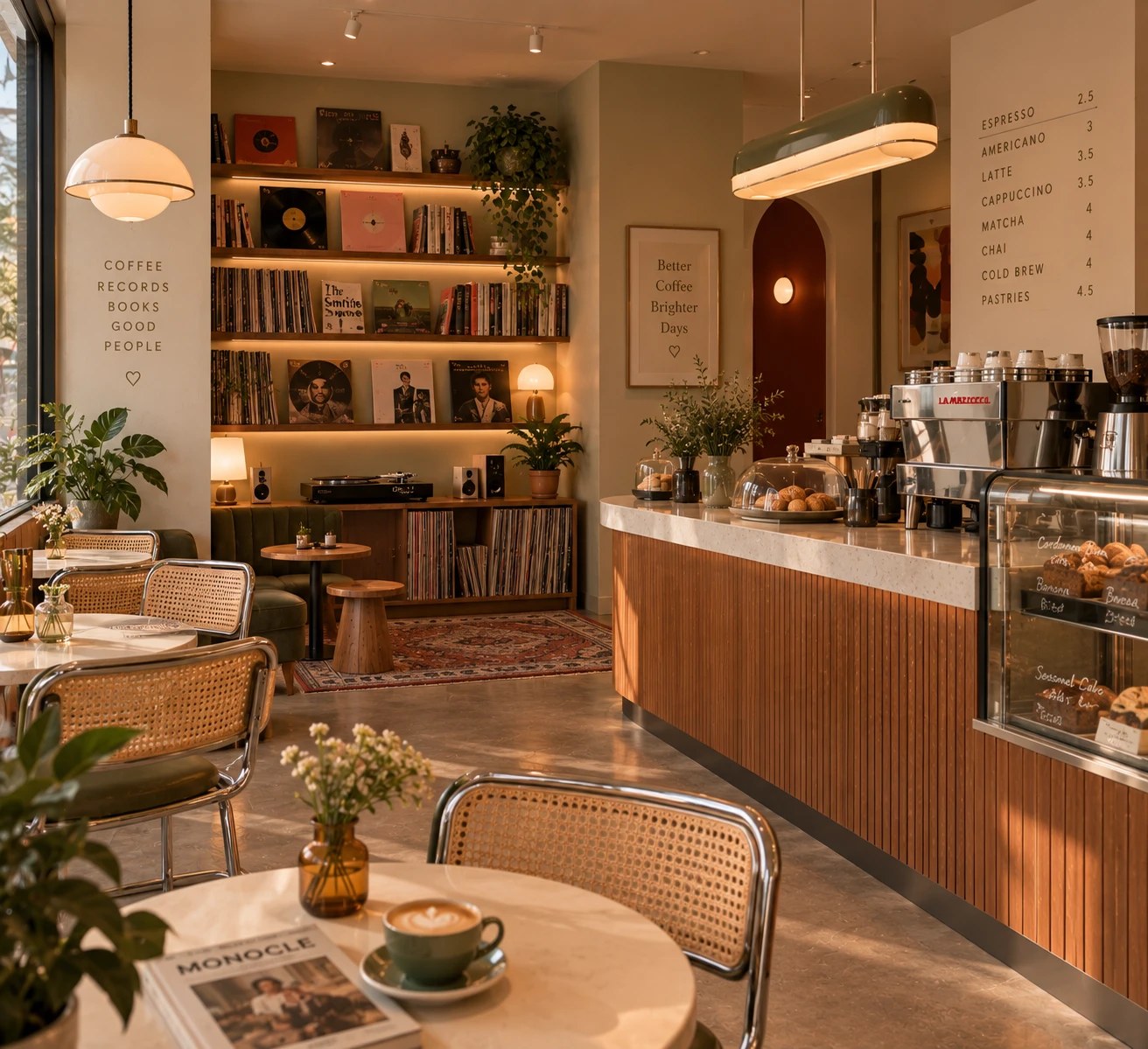
That is what AI is: an initial look, something we can build off of. Not the design. And sometimes you just have to laugh at it. Somewhere in these there is a table set right behind a chair, where nobody could ever sit at it. Ha! Keep it in perspective, enjoy the ideas, and then let a designer make it real.
- The beginning. Mood, direction, "what if we tried it in green." You can explore ten ideas in the time it used to take to sketch one.
- Getting clients to say what they want. A client who can't describe their taste can react to pictures. That conversation gets so much faster.
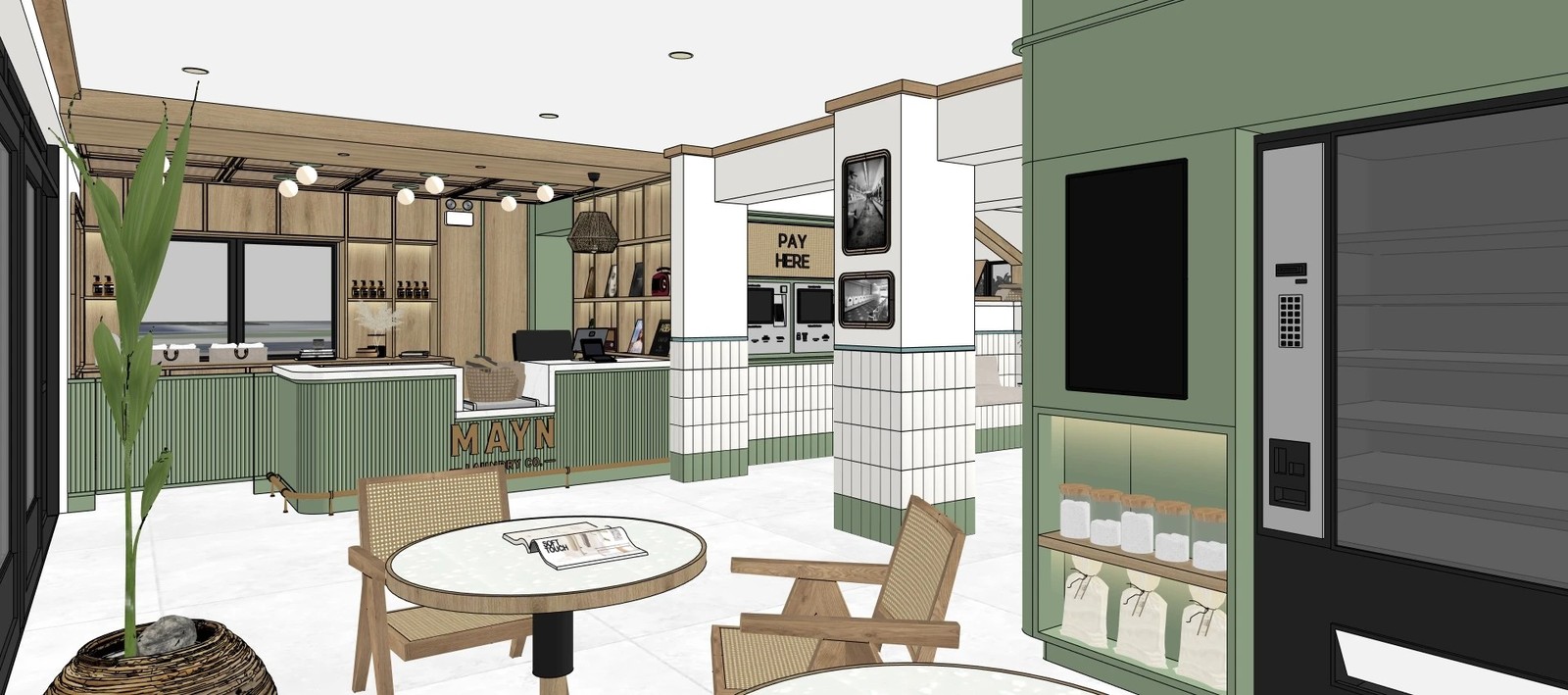
- Light and finish on top of real work. This is my favorite, and it is how we work at Astratto. We build the model, with real measurements and real products, and then use AI to push the light and the feeling. The design is ours, the glow is the tool.
- The boring stuff. First drafts of emails, product research, organizing a spec list, summarizing a long brief. Hours back, every week.
What It Still Can't Do
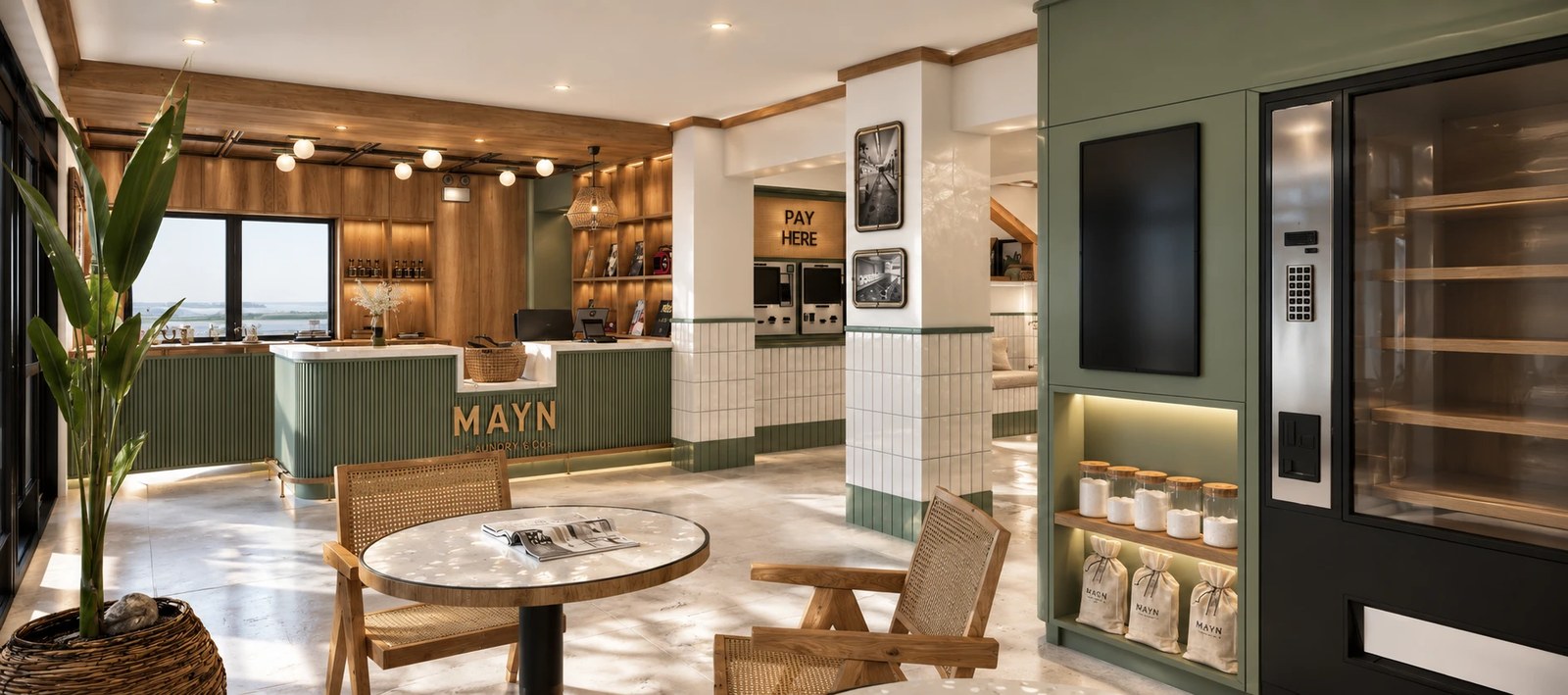
It doesn't know the site. It doesn't know the ceiling height, the structure, the plumbing wall, the setbacks, the code, or the budget. It invents products that don't exist and details that can't be built. Every picture is a slightly different room, so nothing stays decided. It adds things that are not part of your design, a lamp, a plant, a window nobody drew, and that is a big one when you are presenting to a client. And it can’t make a great video yet: walk the camera through a room and furniture appears and disappears. And nobody signs off on it. When something doesn't fit on site, AI doesn't get the phone call. We do, and that responsibility is exactly why clients hire us.
| The job | A designer | AI |
|---|---|---|
| A first look, mood and direction | Directs it and edits it | Great, in minutes |
| Real measurements | Measures, models and details it | Doesn't know the room |
| Products and suppliers | Specifies what you can actually buy | Invents things that don't exist |
| Structure, plumbing, code and budget | Works within all of it | Doesn't know any of it |
| Keeping a decision | Once it's decided, it stays decided | A slightly different room every time |
| Taste | Yours, recognizable before they see your name | Everybody's at once |
| Signing off | You, and that's why clients hire you | Nobody |
It also doesn't have taste, not the way a designer does. It is made from everybody's work at once, so it belongs to nobody. Your eye, your signature, the thing clients can recognize before they see your name, that is still yours.
One thing to keep in mind: everything in this post is as of right now. AI changes pretty much every day, and every month feels like a year. What it can’t do today, it might do next season, so it’s important to stay aware and keep adjusting. I’m sure I’ll eventually write another AI post, just to update what I’m saying now.
AI Can Make Your Clients Easier Clients
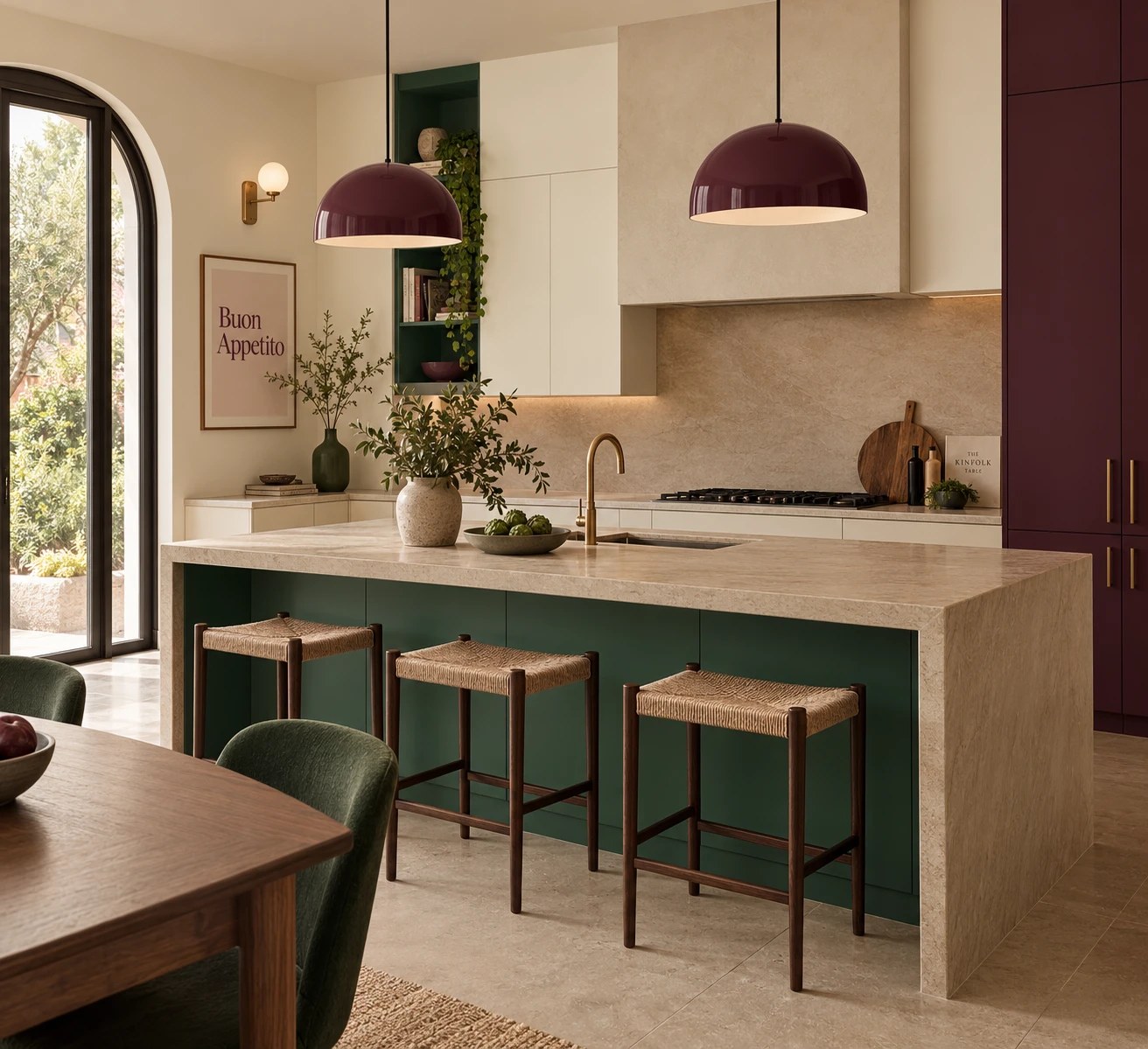
Here is an advantage people don’t talk about enough. AI can help your clients narrow down what they want at the very beginning, instead of guessing. And that saves you revisions.
We all know revisions can be the culprit of a project. A client who isn’t sure what they want says yes to the concept, then changes their mind at round three, and round five, and suddenly the project that should have taken weeks is still open a year later. Everyone is tired, nobody is happy, and the budget is gone.
Let me paint the picture of a typical project for a local interior designer. (We’re not a typical firm, so I can’t really speak for us here. We’re remote, we naturally found faster ways to work, and we don’t do the physical part: we hand our drawings and renderings over to the designer, architect, contractor or client, and they take it from there.)
For a local designer, it usually starts with a discovery call, then an in-home consultation, and then a lot of meetings. Just finding a time that works for both the designer and the client is half the battle. Then the designer comes in with boards and samples of materials, gets a few no’s and a few yeses, goes back to find more things that match the yeses, comes back, gets more no’s, and so on. It’s exhausting for both sides.
And I’m not exaggerating. One established design studio in Australia is refreshingly honest about its own timeline: it can take a month just to go from the first inquiry to signing on, and up to two months to get the design concept ready to present. That’s about three months before the client sees the first idea, and the showroom visits come after that.
How long it can take to get to a direction
Now picture this instead. You tell your client: talk to the AI like a therapist. Tell it everything, what you love, what you can’t stand, that hotel lobby you still think about, and keep going until it shows you the look you want. Then share it with me. And voilà! Weeks, even months, of back and forth, gone.
So at Astratto we flipped it. We use AI first, at the start, to explore and narrow the direction quickly, while changing your mind is cheap and fun. By the time we design for real, the client already knows what they love. Then every project comes with two rounds of revisions included, and any round after that is an extra. Because the direction was settled up front, most clients never need more than two, and we skip that awkward back and forth of “I don’t want to pay for another round.”
| AI first | The old way | |
|---|---|---|
| The first picture | Minutes | Days |
| Finding out what “modern” means to them | They show us, in pictures, in the first week | Weeks of “do you like this?” (it can be two months) |
| Revisions | Two rounds included, and most never need more | Round three, round five, and on |
| The project | Done faster, with a happier client | Still open a year later |
And honestly, that is the beauty of it. We get to cut out all the back and forth. You know the one. “Do you like this? What about this? And this? Okay, what about this one?” That alone can be two months of a project. Two months of calls, meetings and emails, just to find out what the client meant.
Because let’s be real, when a client says “modern,” it very often has nothing to do with modern. It might mean clean. It might mean new. It might mean warm wood and plaster and a little bit of country. It is time to stop guessing. Now they can show us, in pictures, in the first week, and we skip straight to the fun part with them: making it real, making it beautiful, making it theirs.
Less time guessing, more time designing. More projects done, and more beautiful rooms in the world. That is a trade I will take every time.
It is efficiency, plain and simple. Fewer revisions means faster projects, happier clients, and the ability to take on more work. And honestly, it keeps the work fun. Nobody got into design to spend years on the same kitchen.
A Real Example, Start To Finish: Ta’Da Laundry Co.
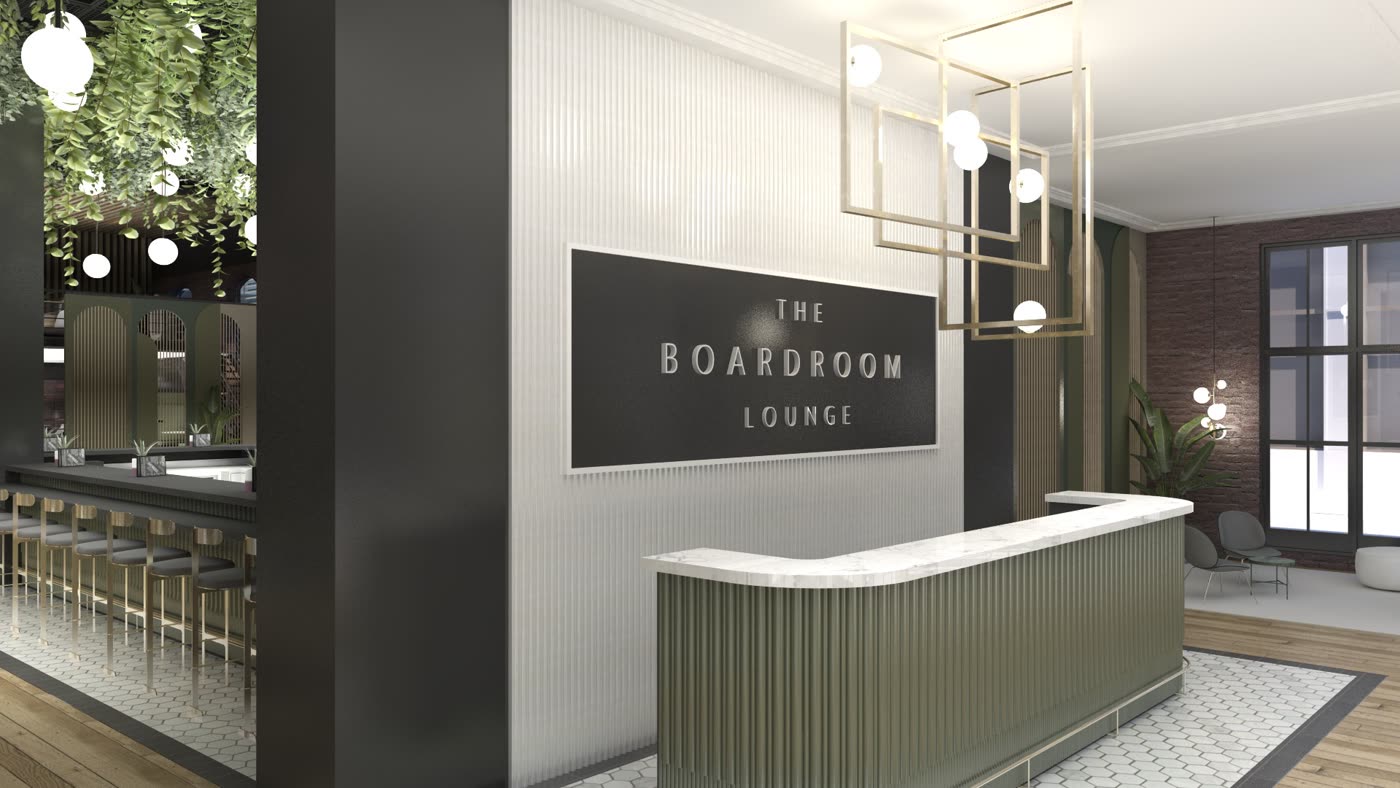
Here’s a real one, so you can see how it actually goes. Ta’Da Laundry Co. is a laundromat in Chicago. The client came to us in love with a project we’d built for someone else, The Boardroom Lounge: olive millwork, brass, greenery, dark brick. He wanted that feeling, in a laundromat.
First, the ideas went onto a Pinterest board: oxblood tile, mahogany paneling, arched shopfronts, playing cards. Then we turned the board into AI concepts. Forty-eight of them in one afternoon, all one idea: a dark Victorian laundromat, green and mahogany, with Chesterfields.

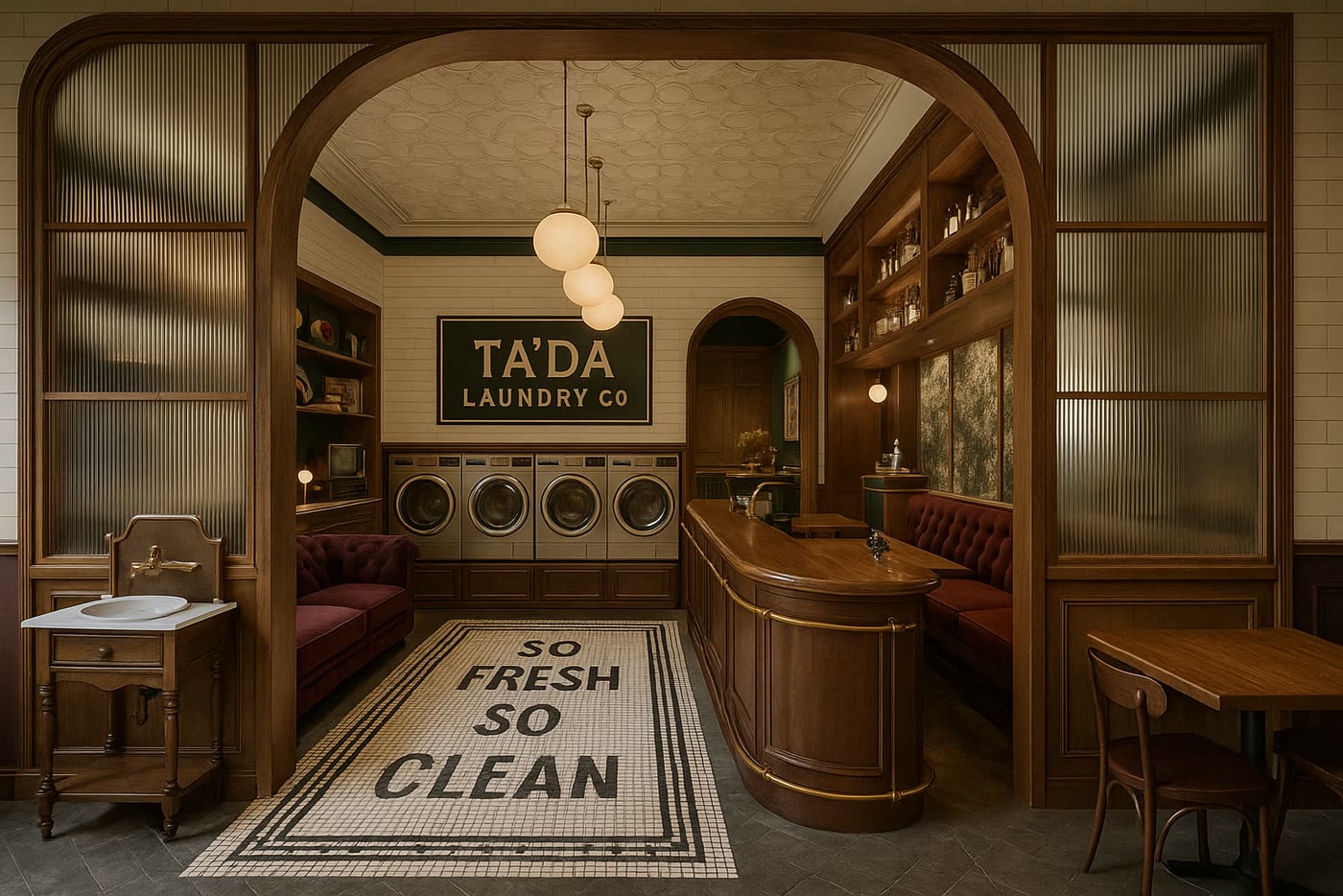

Those are three of the forty-eight. Beautiful, and none of them buildable: arches with nothing holding them up, the name spelled a different way in each one.
And here’s the beautiful part. Seeing forty-eight versions of the dark idea is what showed the client he didn’t want the dark idea. He wanted brighter, more diner. Almost everything else survived: the plants, the pendants, the playing cards. The millwork went mint, and the mosaic floor went black and white.
Then we built it for real: a measured 3D model with real products, in drafts he could react to. The first rounds were still the Victorian scheme, and after the change the same room went mint and cream.
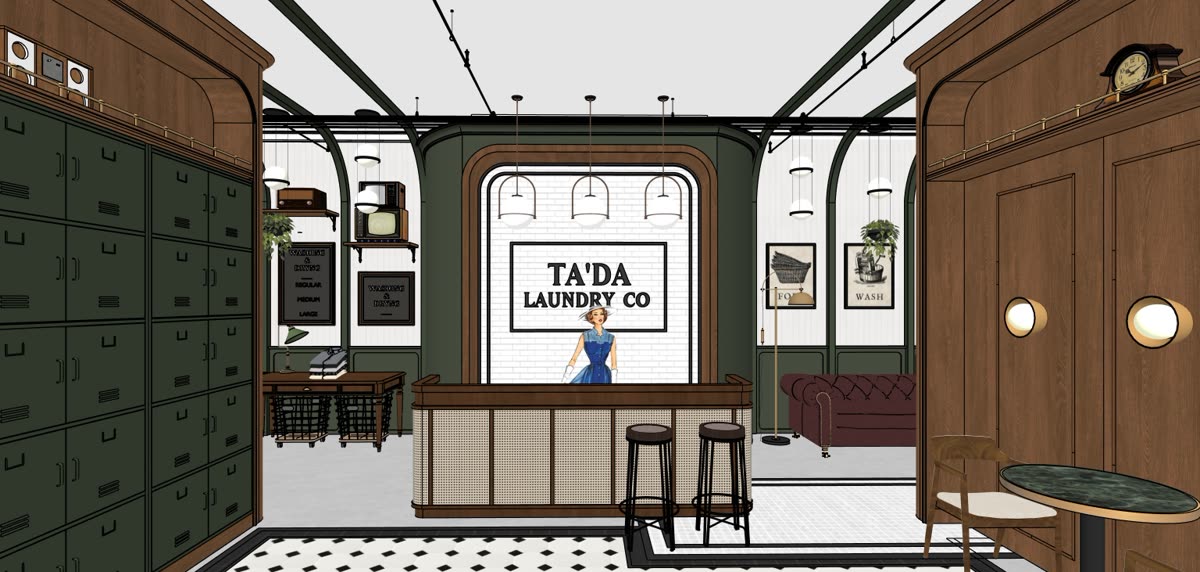
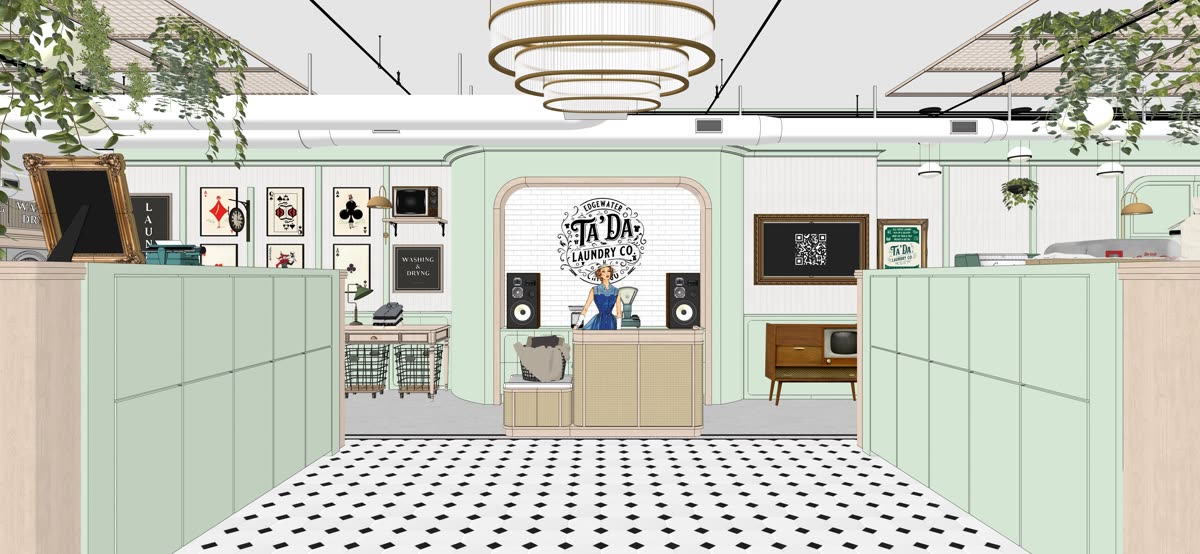
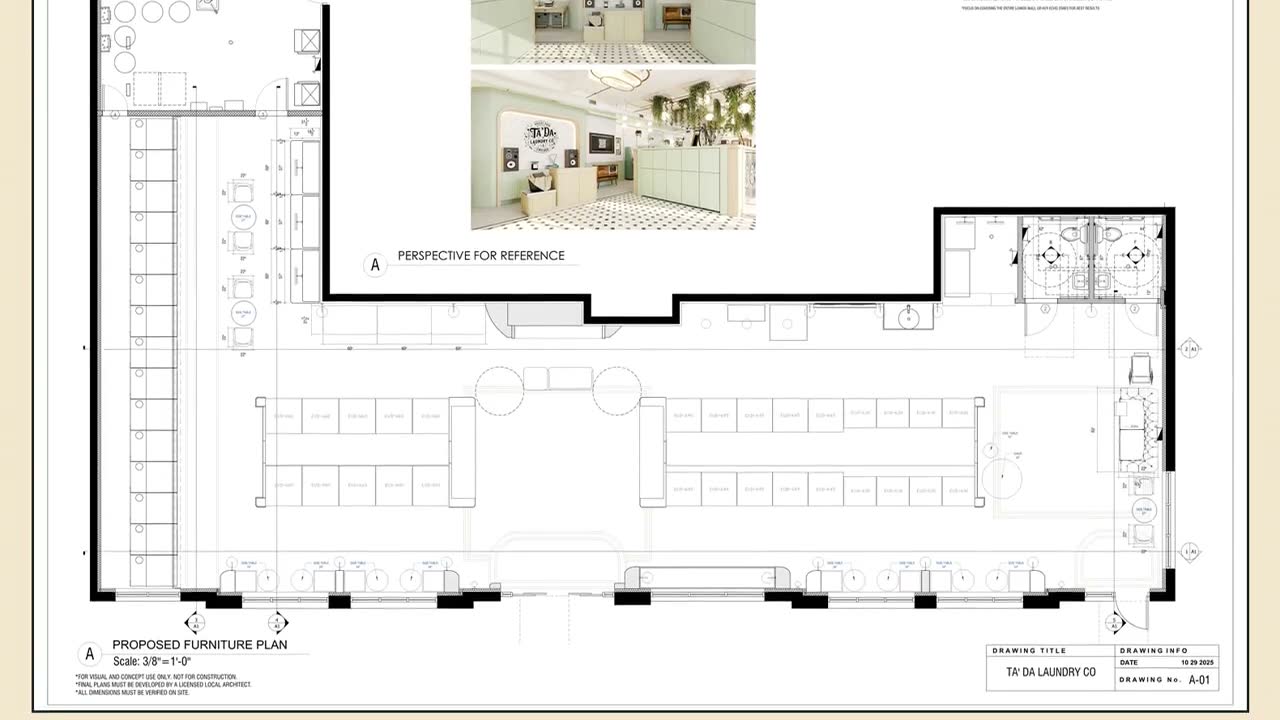
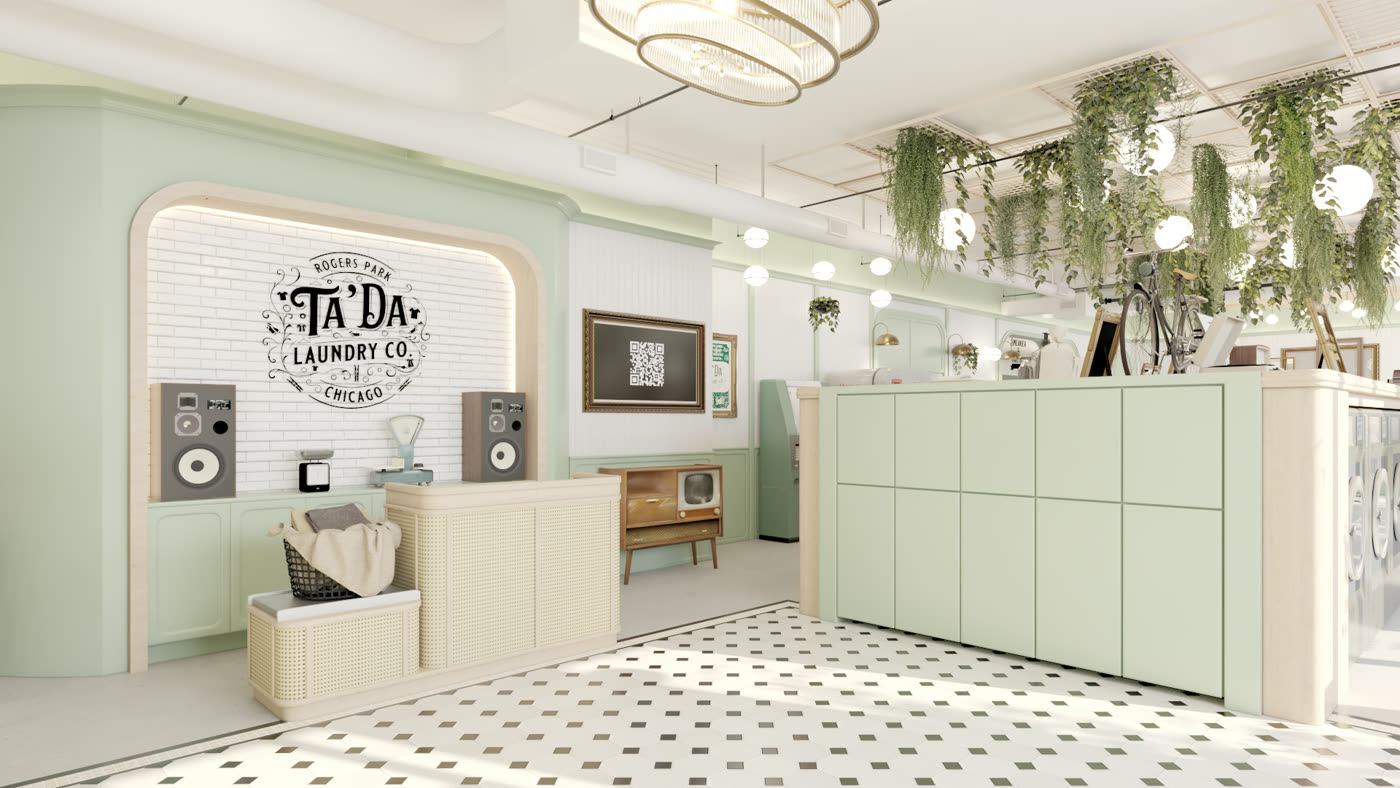
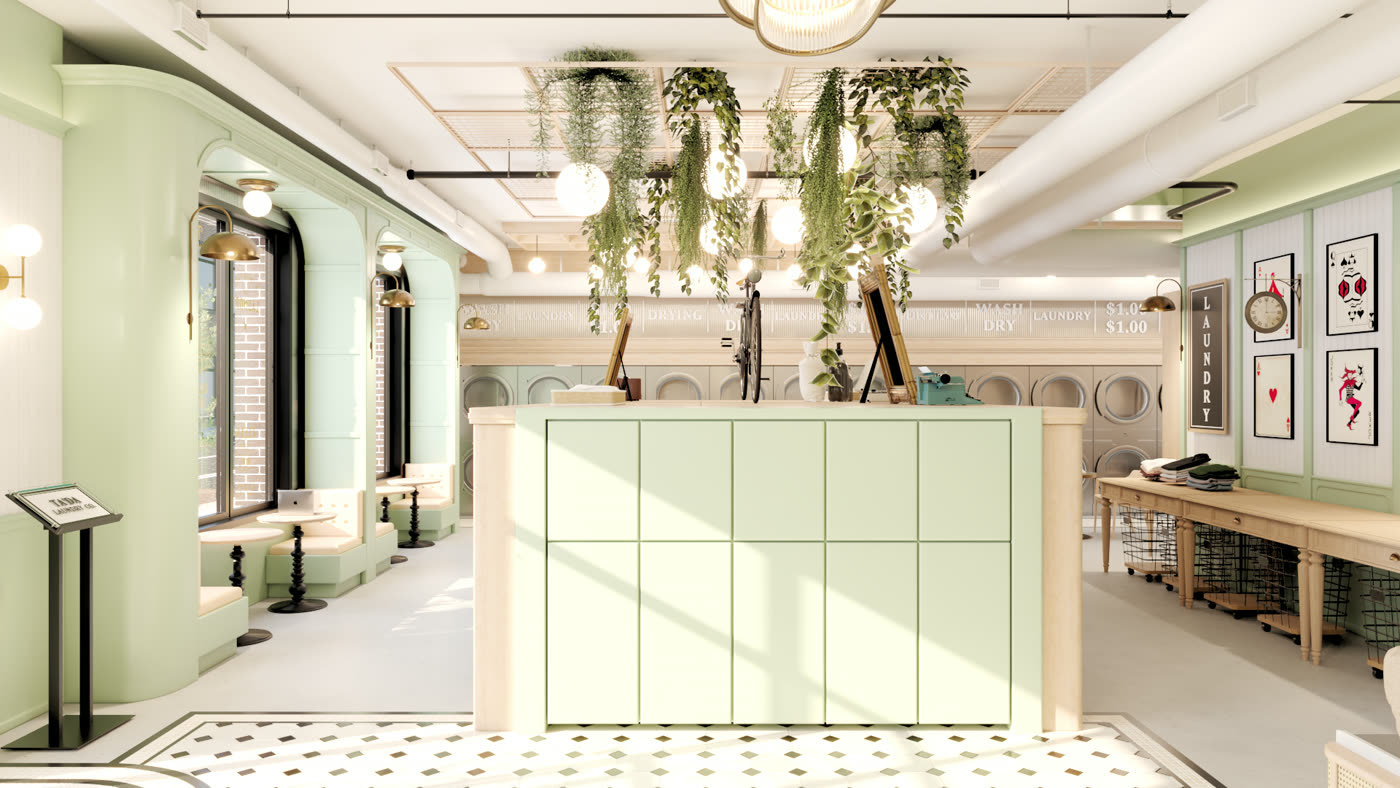
To be honest, this one ran to four rounds of drafts, because the change came after we had started modeling. That’s exactly why we now settle the direction with AI first, before anything gets built. You can see every round in the Ta’Da case study.
So if you’re a designer reading this and thinking “that sounds great, but who has the time to set all of that up?” That’s exactly where we come in.
How We Need To Adjust
This is the part I really want to say. The work is not going away, but the shape of our day is changing, and it is better to change it on purpose than to have it changed for us.
- Move from drawing to directing. Less time producing every image by hand, more time deciding, editing and curating. The value moves to judgment.
- Learn the words. We already have the vocabulary: fluted, bullnose, unlacquered brass, a chair rail at a third of the wall. That is exactly what makes AI useful. Designers will always get better results out of it than anyone else, because we know what to ask for.
- Always start from the real thing. Measure, model, specify, and let AI work on top of that, never instead of it.
- Price the outcome, not the hours. If a concept that took a week now takes a day, don't give the value away. The client is paying for the decision and the result, not for how long you sat at the computer.
- Use AI to settle the direction early. Explore with AI at the start, then design once. Fewer revisions, faster projects.
- Be honest with clients. Tell them what is an AI concept and what is a buildable design. It builds trust, and it protects you.
- Welcome the clients who come in with AI pictures. They are not replacing you, they are arriving excited and half-briefed. That is a gift. At Astratto we even made a service for it, the accuracy pass: bring us the AI concept and we turn it into something real.
The Part Nobody Talks About
Being the person behind the AI, trying to get it perfect for your client, can be daunting. You know exactly what you want to show them. You type it, you refine it, you type it again, and what comes back is close. It has the feel. But it is not quite the thing you are trying to communicate, and you know your client is going to look at it and fall in love with the parts that are wrong.
Honestly, that can cause real anxiety. You are presenting something you don’t fully stand behind, because it is the best the tool would give you today.
And then there is the other part. The client who looks at an AI picture and says “I could have just done this myself.” Could they? Not really. We are the experts, the ones who know what to ask for, and even when we are the ones explaining to AI exactly what to do, it still doesn’t fully do it. Somebody without the words and the training gets a pretty picture of a room that doesn’t exist. And even we end up having to settle for good enough.
With us, you don’t have to settle. At Astratto we build it for real, measured, modeled and detailed, and then we make it beautiful. Your client gets your exact vision, not the closest thing a machine could guess, and you get to present it with confidence.
How Astratto Can Help You
This is where Astratto Design comes in, and why I care so much about this topic. We sit right in the middle of it, helping designers, architects and contractors use the new tools without losing what makes the work real. Most of the time we do it behind the scenes, under your name.
For interior designers. You bring the vision and the client. We turn it into the plans, the elevations and millwork drawings, the renderings and the shopping list, in your style and on your templates. If your client shows up with an AI picture, we do the accuracy pass and make it buildable. You get to spend your time on the part only you can do.
This is the kind of thing we hand designers: renderings like this Victorian kitchen and library, and the millwork drawings to build them.
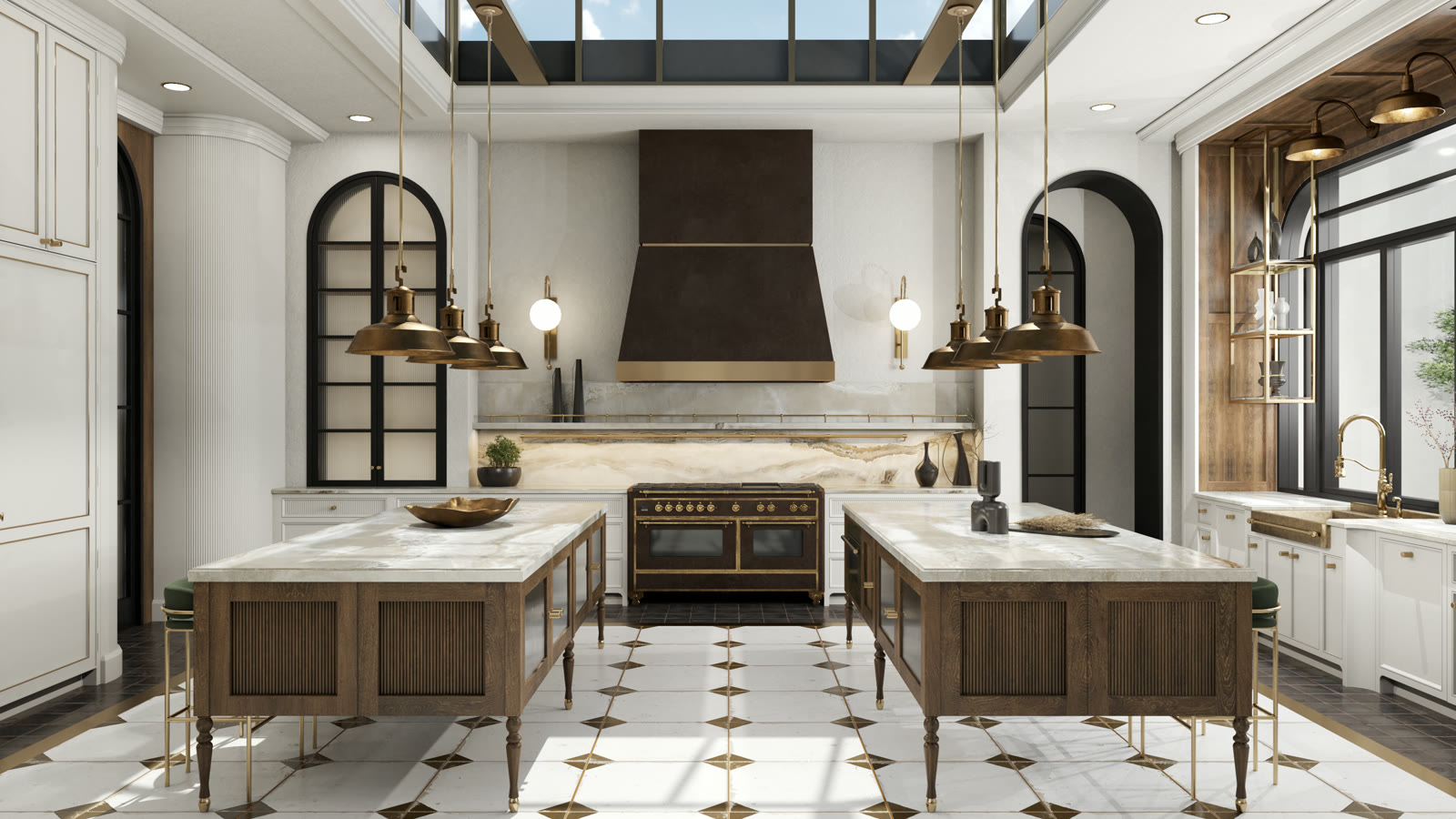
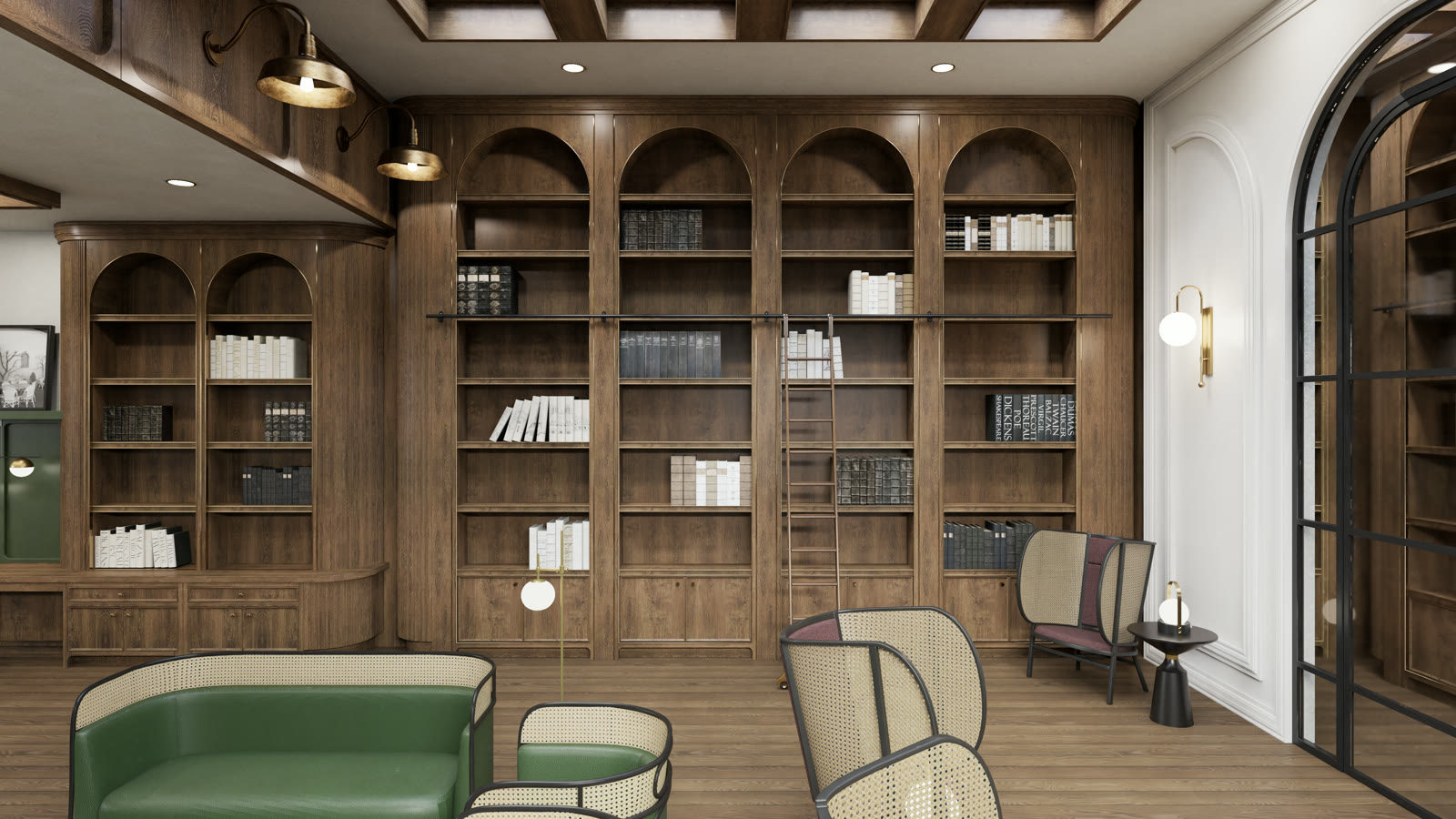
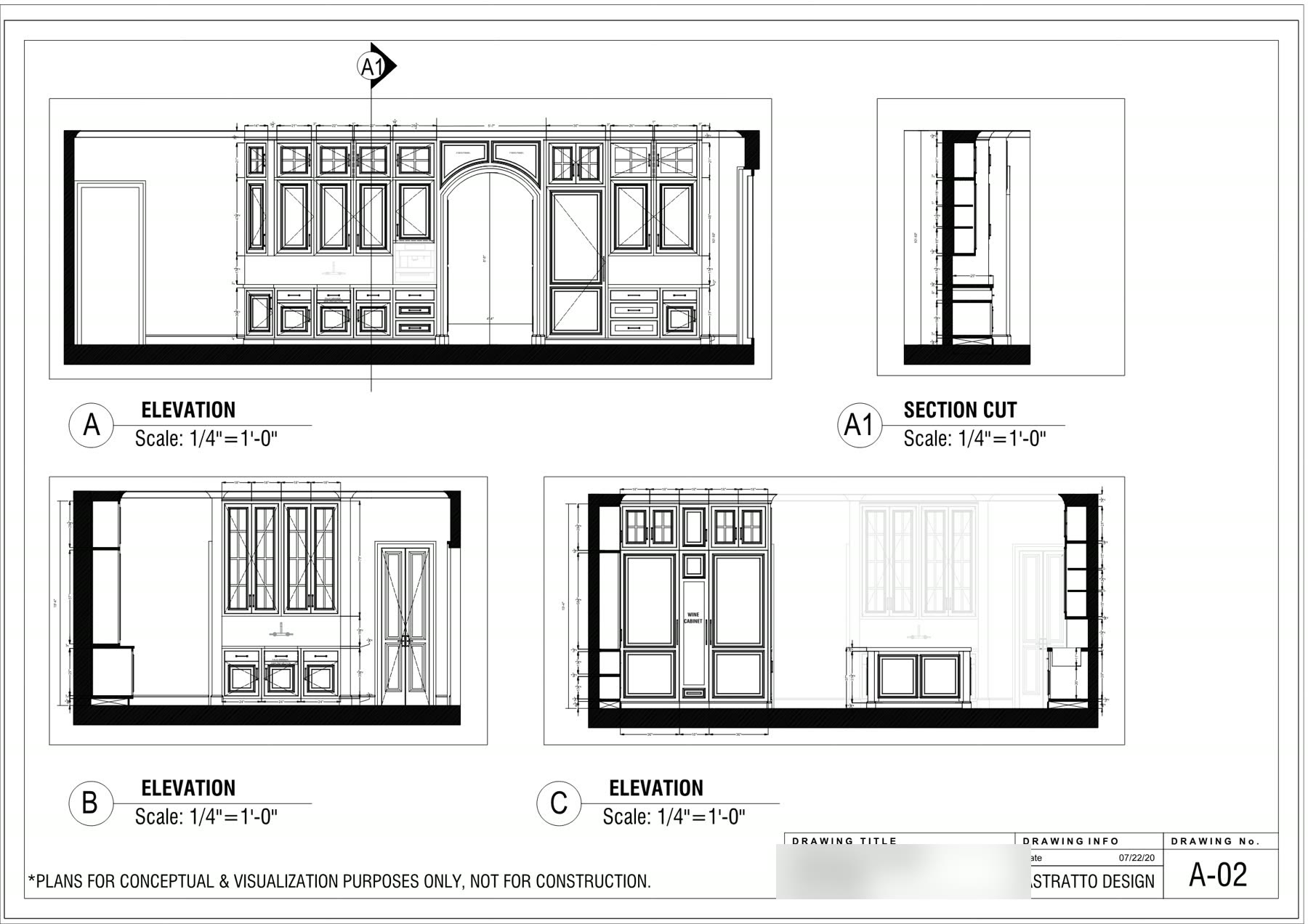
For architects. Your plans are right, but a flat drawing doesn’t sell a feeling. We take your drawings and bring them to life with photoreal renderings, exteriors, video walkthroughs and interiors that match the architecture, so your client falls in love before the first footing is poured. Built from your real model, with AI helping on light and finish where it earns its place.
For contractors and builders. The fewer surprises on site, the better. We give you drawings your trades can build from, millwork elevations with every dimension, and renderings your clients can approve before you order a single thing. Clients who have seen it are clients who don’t change their mind halfway through. And when a homeowner hands you an AI picture and says “this,” we can turn it into something you can actually price and build.
I wrote more about exactly how this works for designers, architects and contractors, with a look at how much time it saves. That is the balance I believe in: AI for speed and ideas, people for the decisions, the measurements and the details, and a team like ours in between to connect the two.
Right Now Is The Moment
Every big shift in our industry has felt like this. Hand drafting to CAD. CAD to 3D. 3D to photoreal renderings. Each time, some people were scared, and the ones who learned it early ended up doing more, better, for more clients. AI is the next one, and it is moving faster than the others, which means the window to get ahead is right now.
- Hand draftingFor most of the 1900s
- CADThe 1980s and 90s
- 3D modelingThe 2000s
- Photoreal renderingsThe 2010s
- AIRight now
I know, because I’ve lived through one of these shifts already. When I started, 3D renderings were brand new. There weren’t even classes for them in college yet. I did two internships, one with an architect and one with an interior designer, and both of them figured out the same thing pretty quickly: I had the software and the computer, and all I had to do was email them the work. None of us ever felt the need to meet in person. We even got to work on a home for the family of the creator of the Muppets. How cool is that?
That was about 12 years ago, before Astratto even existed. That’s when we realized how helpful this could be for designers and architects, and we decided to dedicate our time to it. Remote, before remote was a thing. So when I say learn the new tool early, I mean it. It’s how this whole business started.
And heck, we love to travel. How cool is it that we get to do what we love while we travel? The traveling has made our design even better, too (I wrote about that in memories and lessons of a traveling designer). So many pluses. And all along, we’ve been trying our best to make designers’ and architects’ lives easier and faster, so they have time for themselves too. Time is money, people. Use your time wisely.
So play with it. Break it. Make the forty pictures. Find where it saves you time and where it wastes it. And then do what only we can do: make the decisions, stand behind them, and get the room built. AI is not taking over design. Designers who use AI are going to take over from designers who don't.
And if you are a designer, an architect or a contractor with more work than hours, that is exactly what Astratto helps with. Here is how it works, or see everything we do.
The Short Version
- Will AI replace interior designers and architects? No. But it is changing how we work, fast.
- AI is great at the start: mood, direction, and getting clients to show what they mean.
- It can’t measure, specify real products, follow code, keep a decision, or sign off. That is still our job.
- Use AI first to settle the direction early. Fewer revisions, faster projects, happier clients.
- Move from drawing to directing, price the outcome, and be honest with clients about what is AI and what is buildable.
- Astratto turns AI concepts into real plans, millwork drawings and renderings, under your name.
- Everything here is as of right now. AI changes fast, so stay aware and keep adjusting.