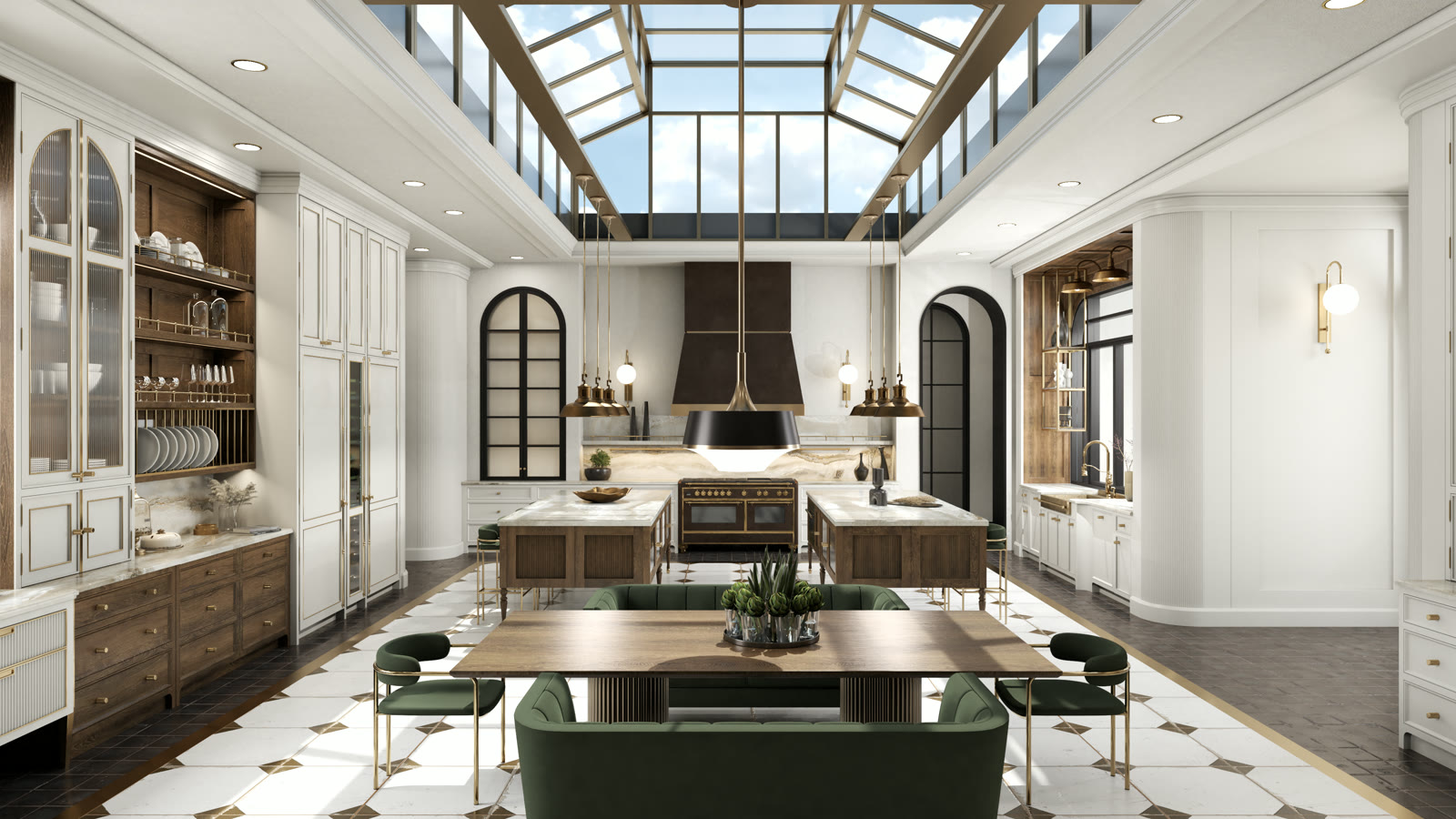
Hi! We're Michelle and Austin. We're married, we started Astratto together in 2016, and we've been designing remotely ever since, way before it was cool.
You've probably seen our renderings, gotten our emails, maybe read a Monday post or two. But you might not know who is actually behind all of it. So this one is just about us: how we started, who does what, where we've been, the system that finally works for us, and two very important members of the family. Grab a coffee.
How It All Started
When I was in school, 3D renderings were brand new. There was one company near us that made them, and nobody else did. I still remember seeing their work and not believing how cool it was, and how modern it looked for that era. (Yes, era. Haha.) I knew right away that I wanted to do that.
The catch: there weren't any classes for it yet, and my program wanted everything drawn by hand. So I took the lower grade and started teaching myself 3D modeling and rendering. It was slow, and some days frustrating, but I didn't give up. Then the interior design associations I belonged to, IIDA, NKBA and ASID, brought in an instructor to teach a single class on renderings. I signed up right away, and the rest is history. Hardly anyone could do it back then.
Then came two internships, one with an architect and one with an interior designer in Florida. Both of them figured out the same thing pretty quickly: I had the software and the computer, and all I had to do was email them the work. We hardly ever met in person. We even got to work on a home for the family of the creator of the Muppets. How cool is that?
That's when it clicked. I could design for anyone, anywhere. I could be in Spain or road-tripping through Arizona and still be designing for clients.
The moment we really knew was when we built Austin's parents' home in 3D while it was still under construction, just the skeleton. Walking through the model, the two of us felt like little characters in a video game, inside a house we had built, only virtually. Like the Sims. That's when we looked at each other and said: yep, it's time to start this business.
That's how Astratto was born. We did everything remotely back when it seemed weird and a little scary to everyone else. By the time COVID came along, working remotely was old news for us.
- Two internships, all by emailAbout 12 years ago
- Astratto is born, remote from day one2016
- Remote is suddenly normal (we were ready)2020
- The big road trip through the American West2021
- A year jumping around the world: 19 countries2021 to 2022
- 500+ projects, designing from SpainToday
Who Does What
Astratto runs like a mom and pop shop, and I mean that as a compliment. There are five of us, and everybody knows how everybody else draws.
Austin took on the business side so I could stay on the design. He runs the studio, and I make sure every drawing and rendering is right. I have an interior design degree and a kitchen and bath certificate (because those are the rooms where a pretty plan falls apart fastest), I still read every inquiry myself, and nothing leaves the studio before I've had a good look at it.
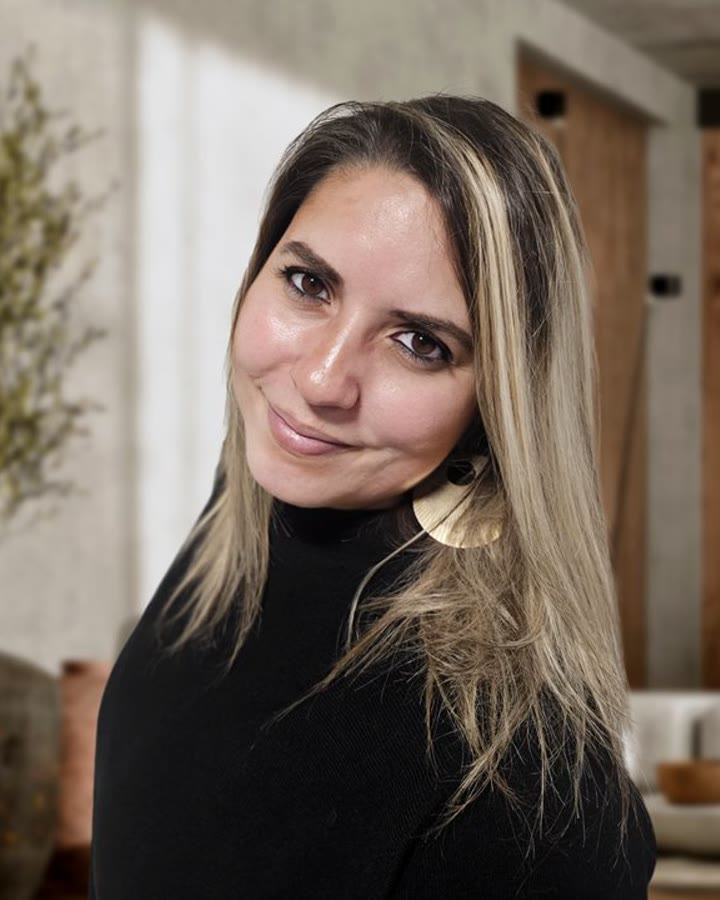
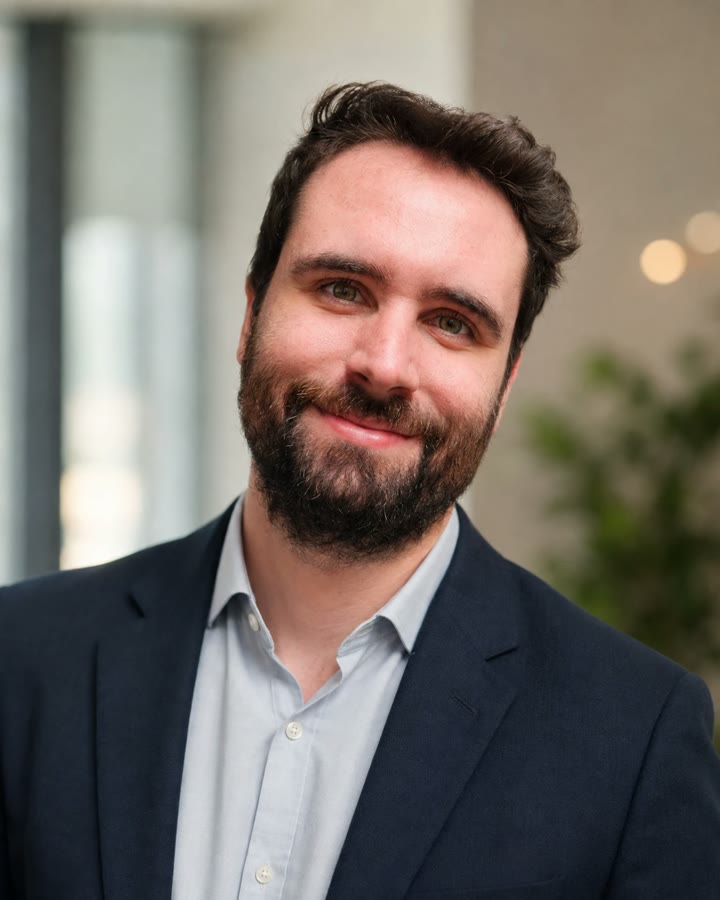
And then there are the architects, the people who make the magic happen in the model:
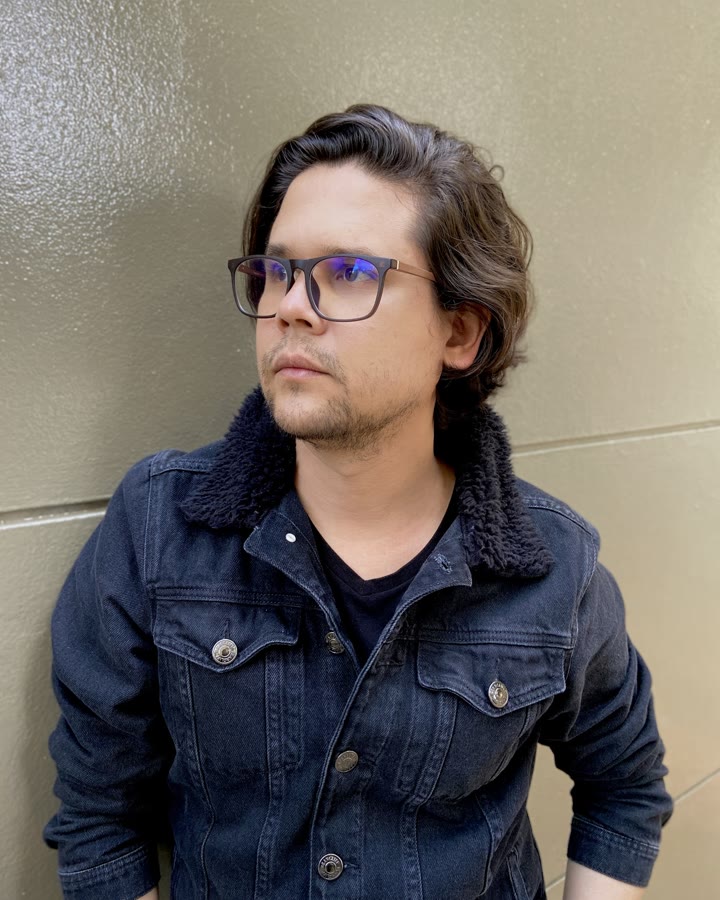
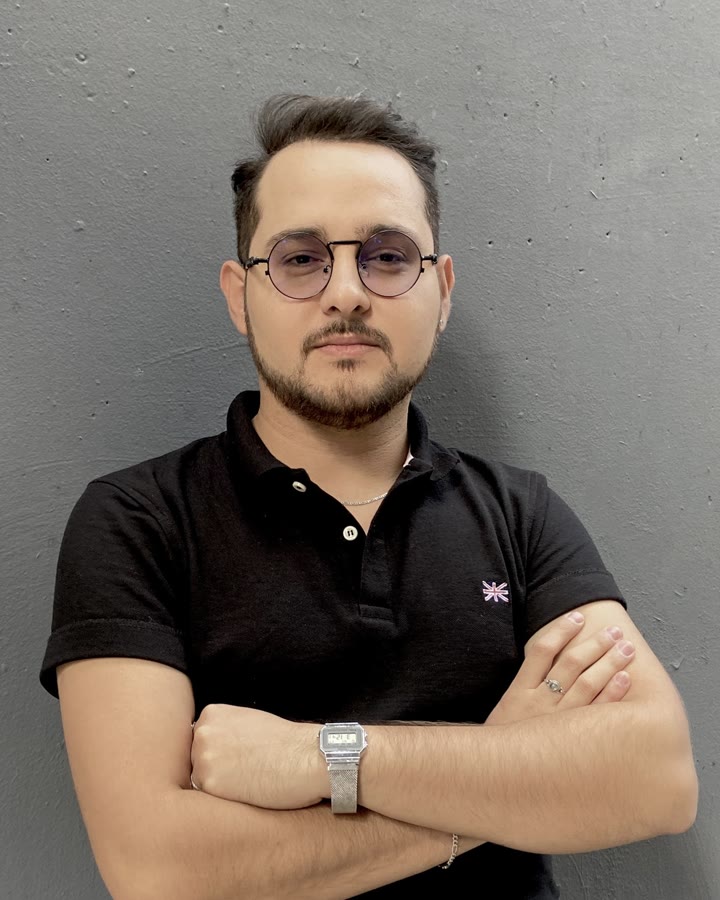
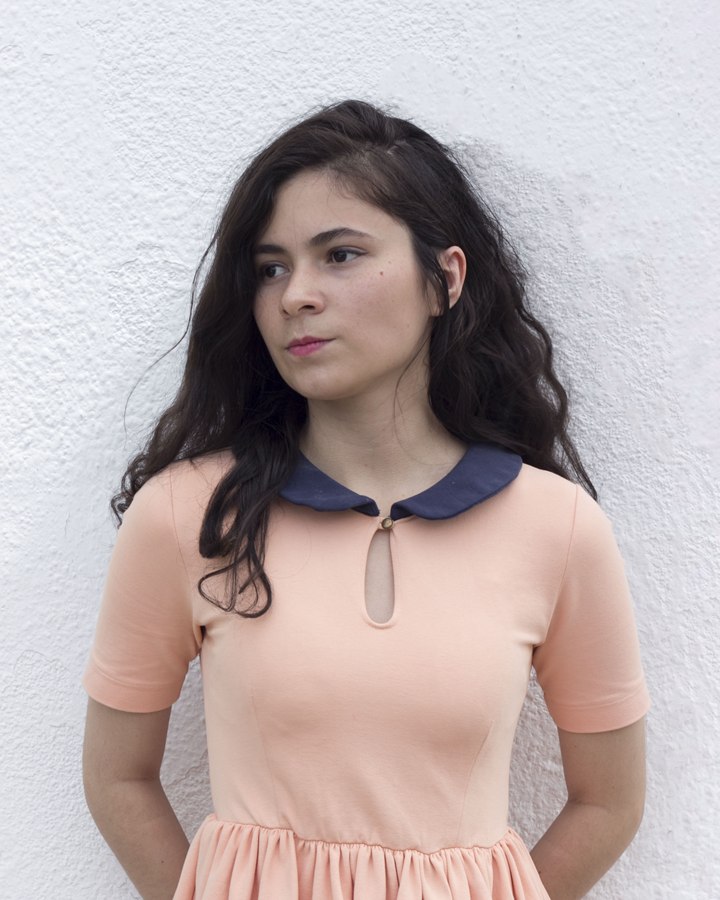
Same faces, year after year. That's a big part of why our work stays consistent: nobody is learning your project from scratch.
Meet Cashew And Pistachio
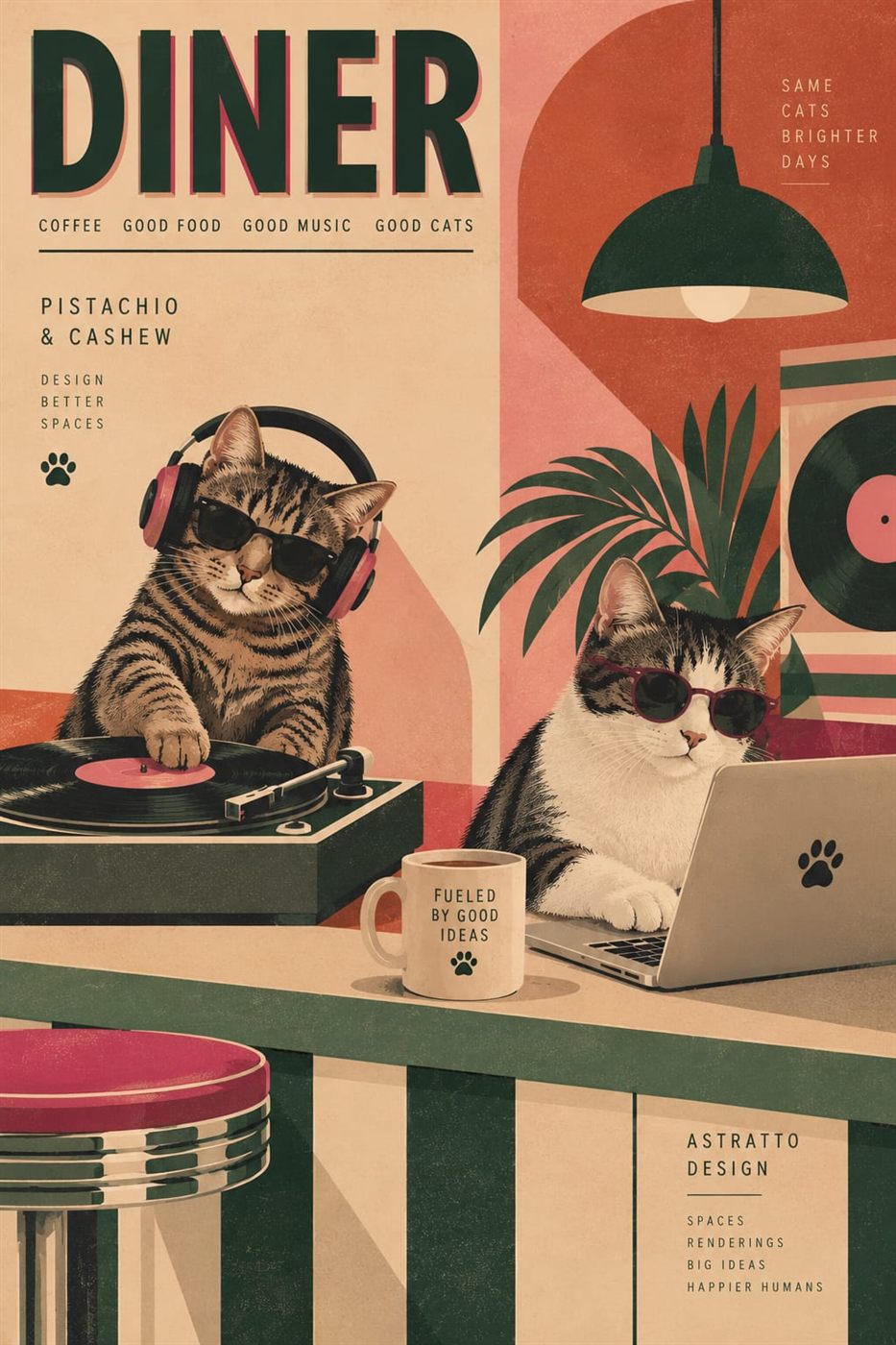
Every studio needs a supervisor or two, and ours have whiskers. Meet Pistachio and Cashew, our studio cats: emotional support, good vibes and quality control, all in one. Pistachio has been part of the team since 2018, so he has seen more projects than almost anyone here. Cashew is the newest member of the team and takes the job very seriously.
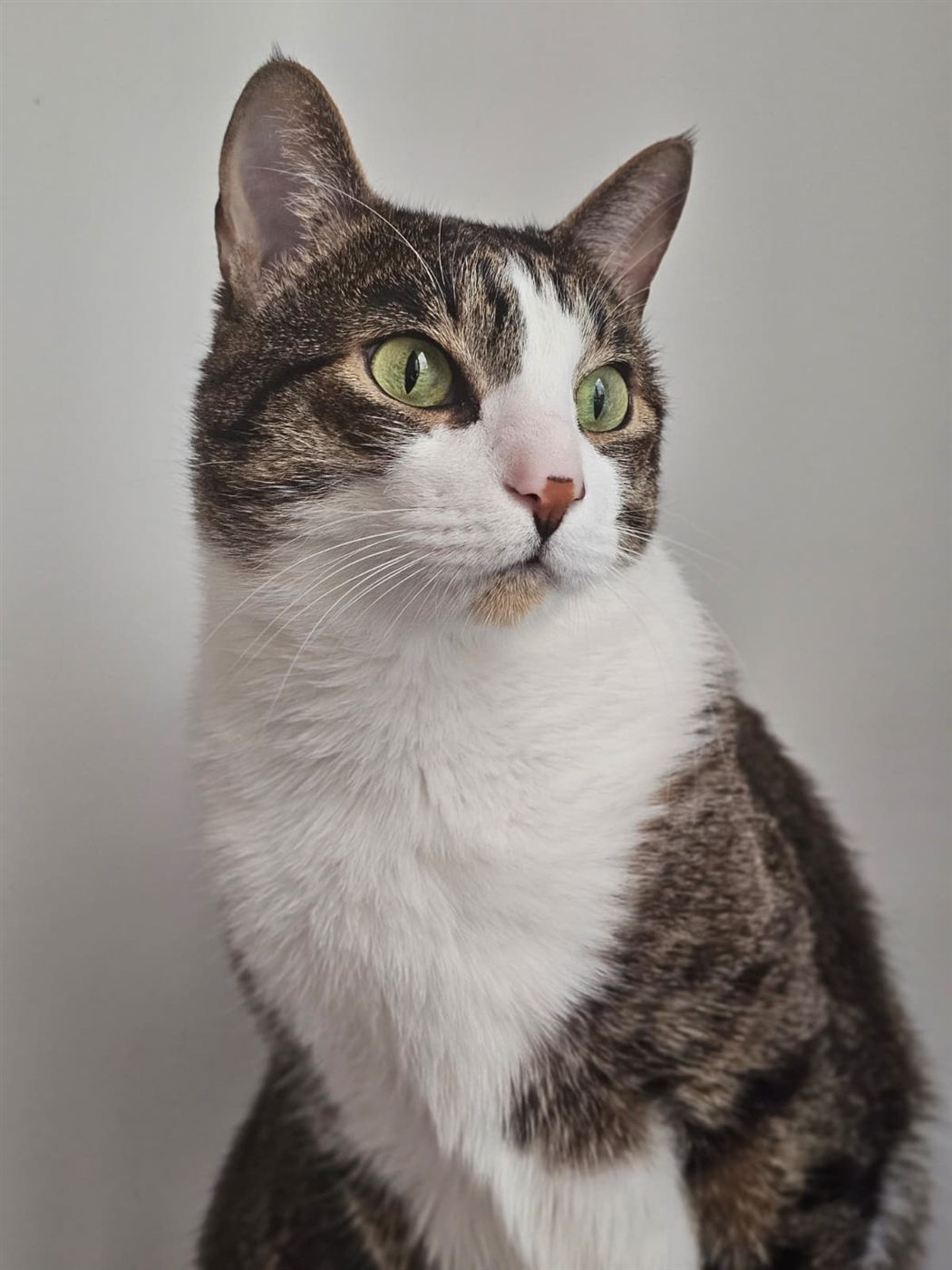
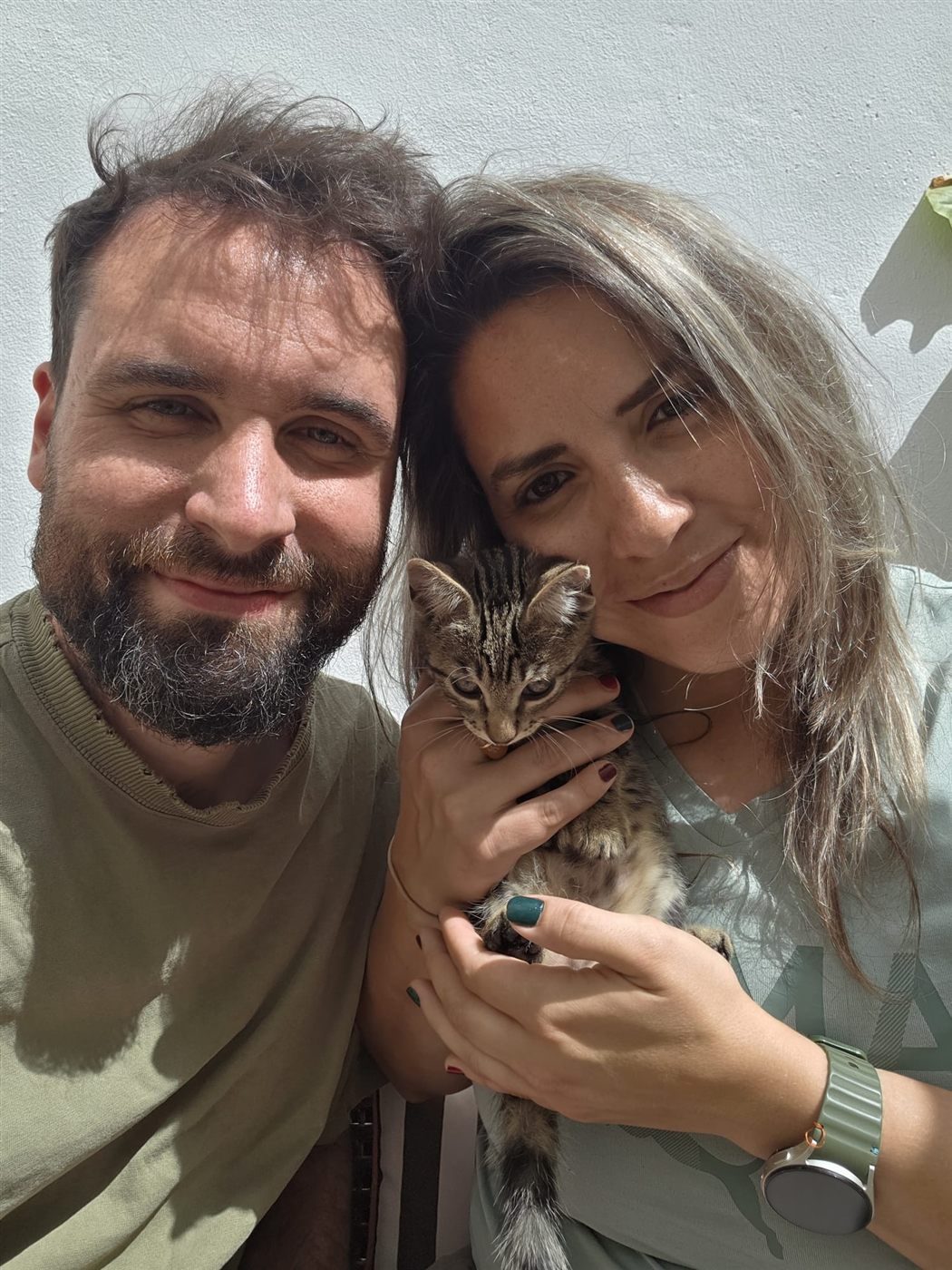
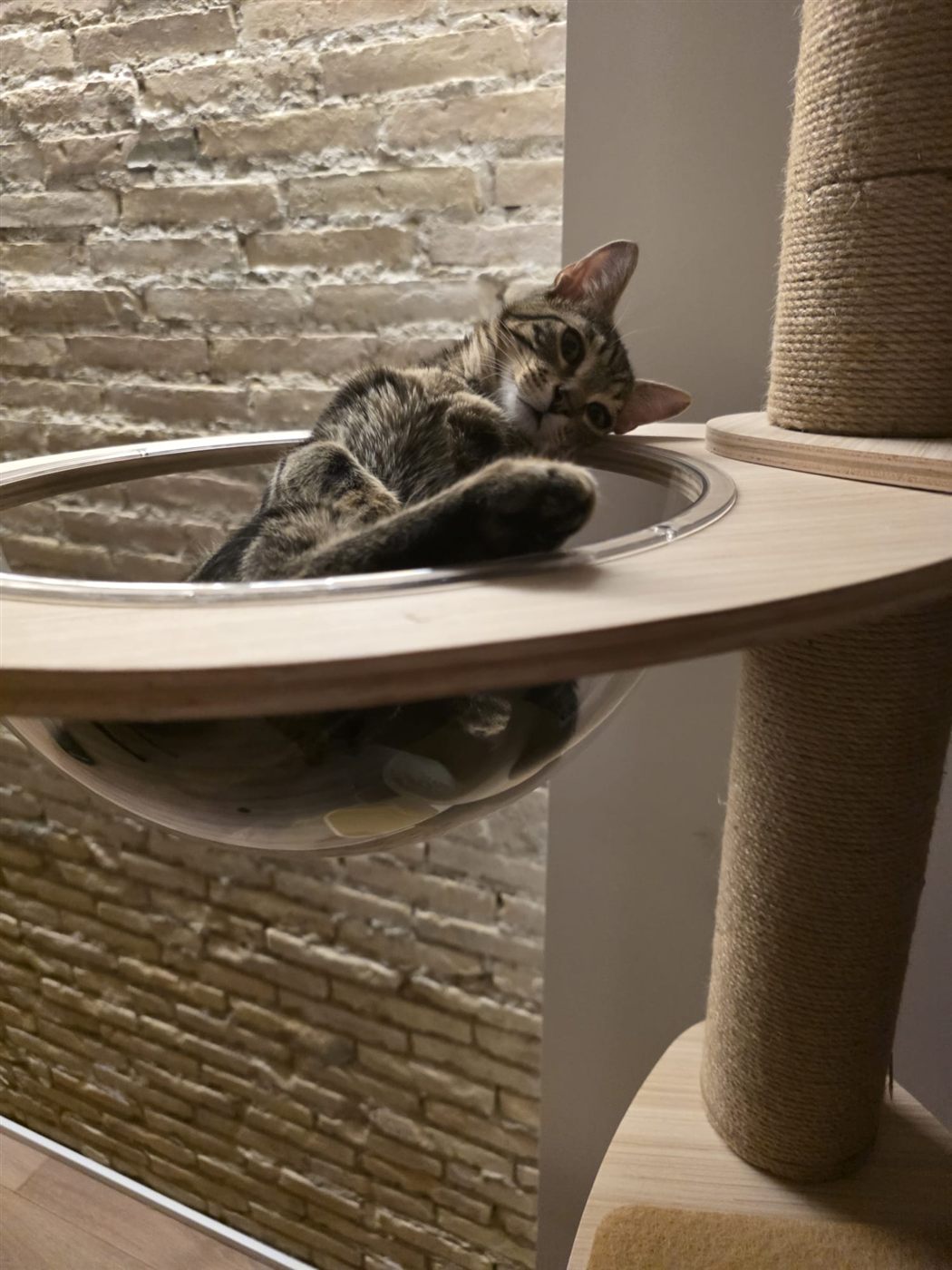
Pistachio supervises from the desk. Cashew supervises from a nap. Between the two of them, nothing leaves the studio without a cat's approval.
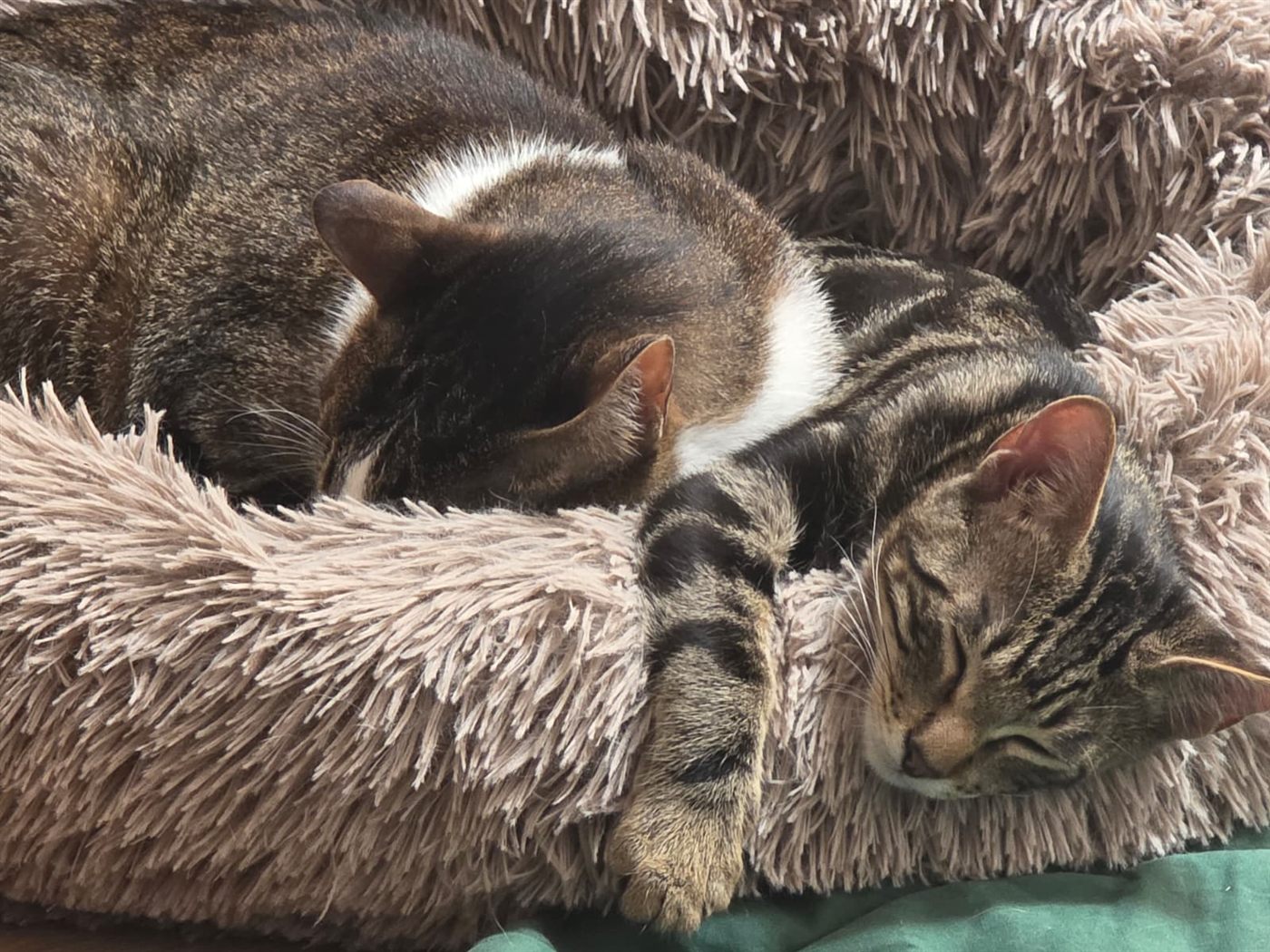
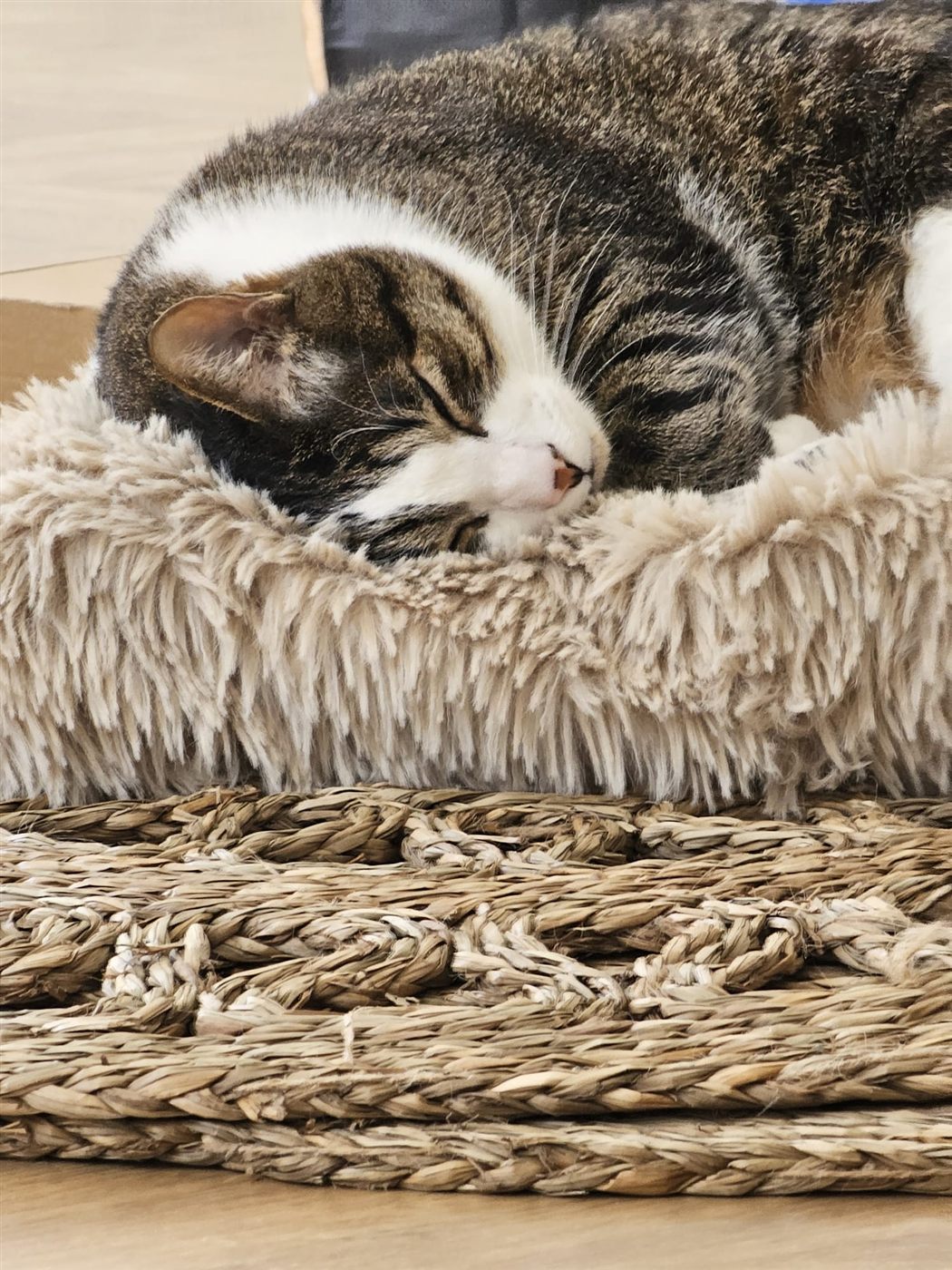
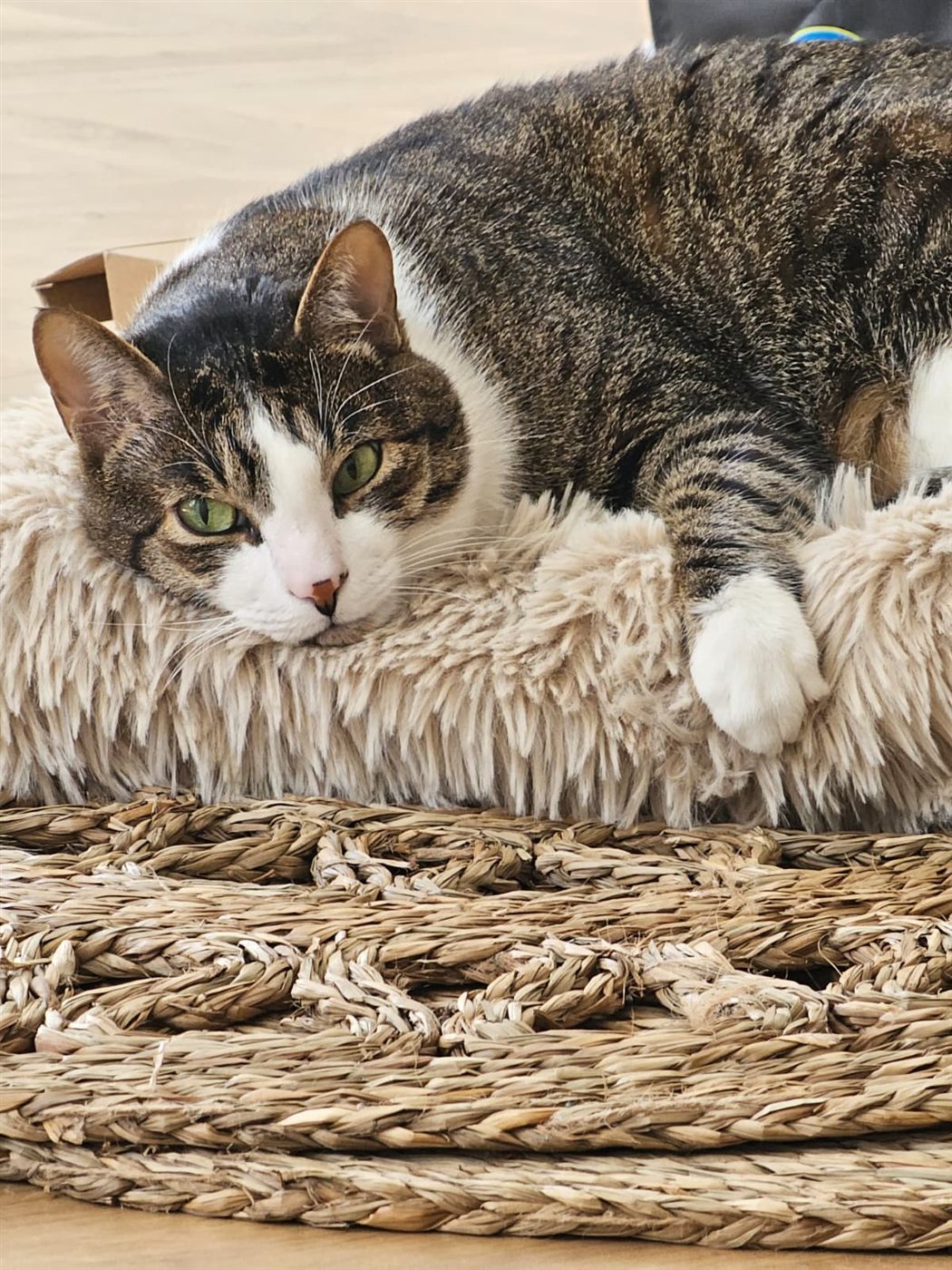
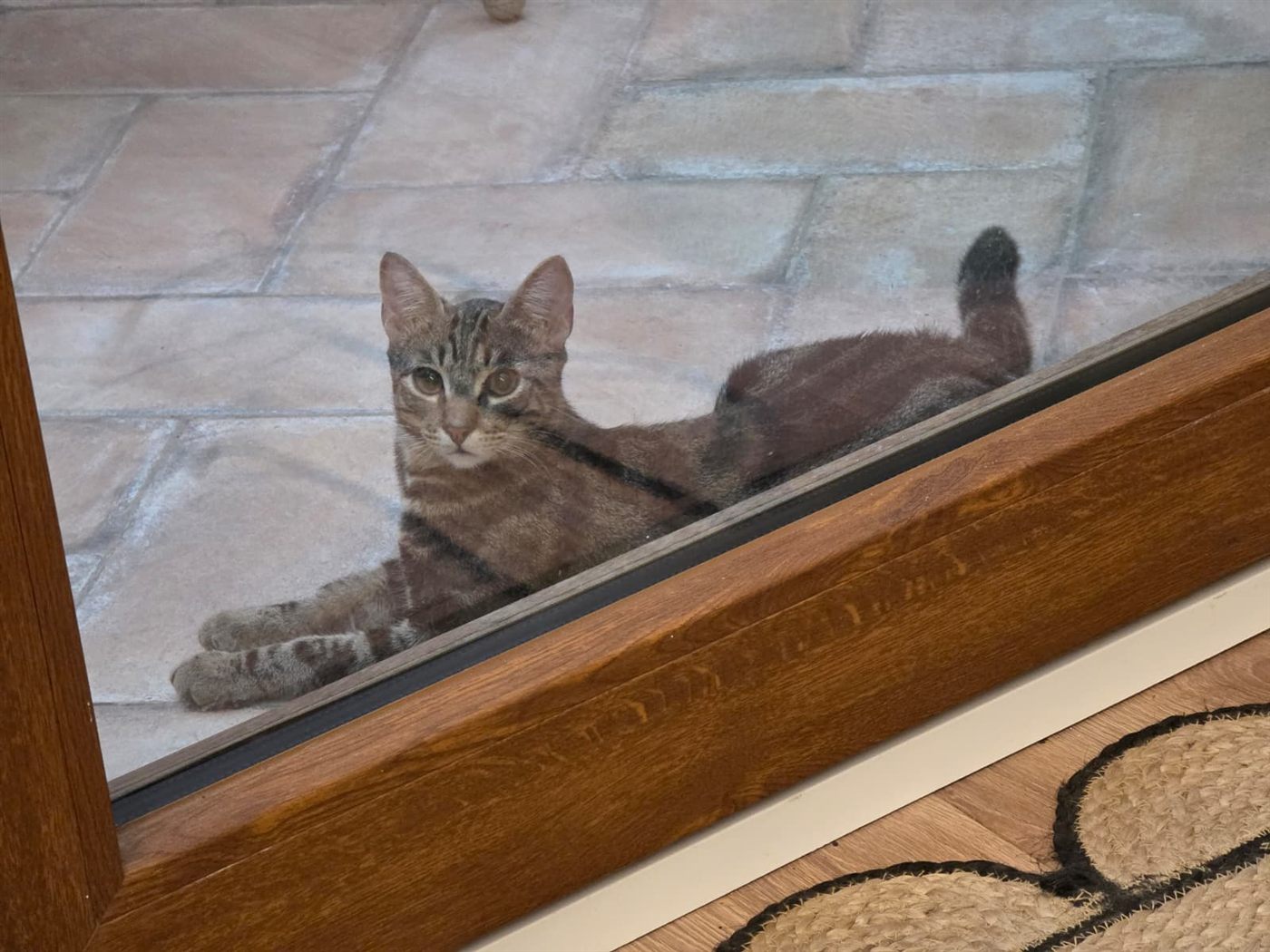
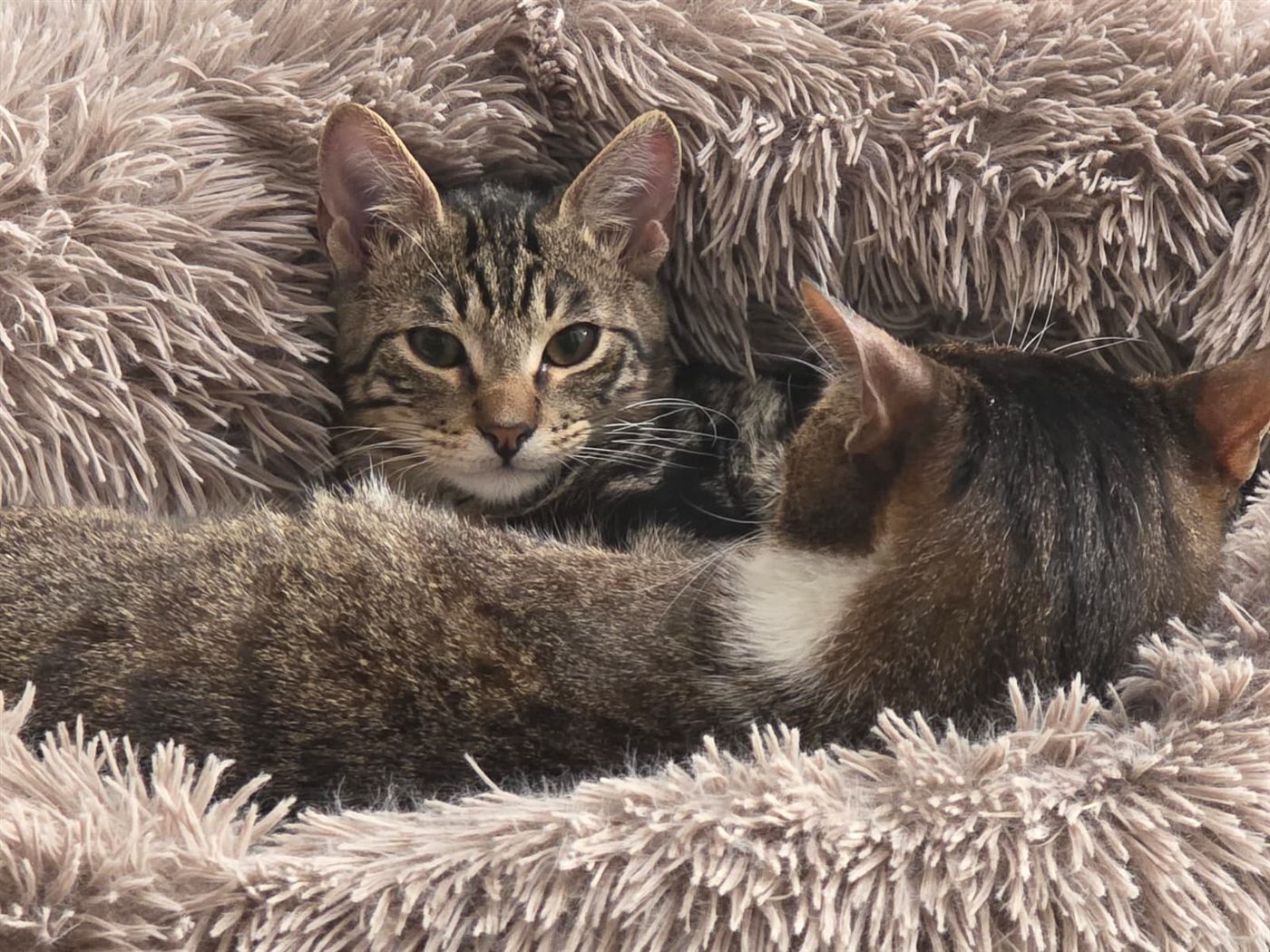
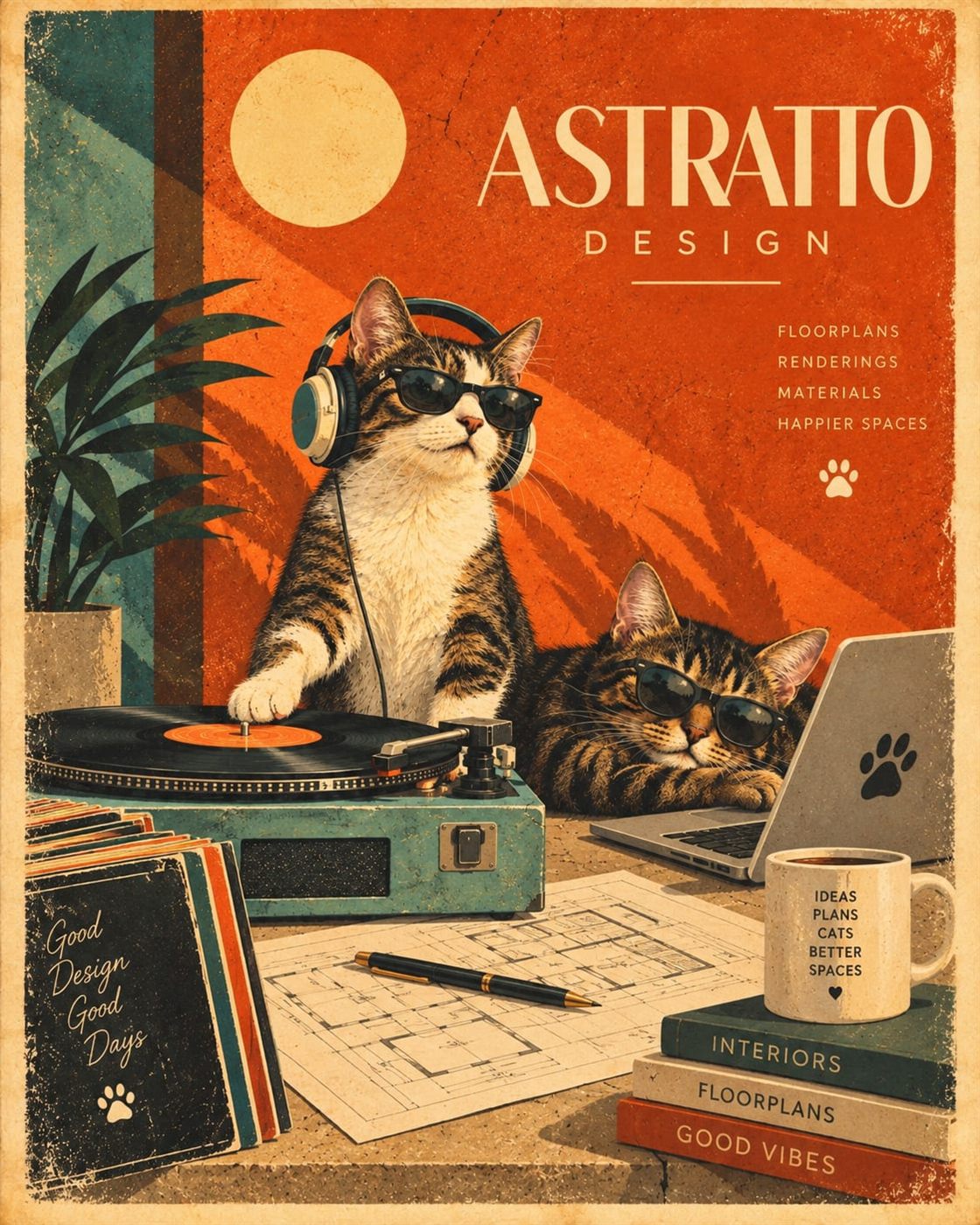
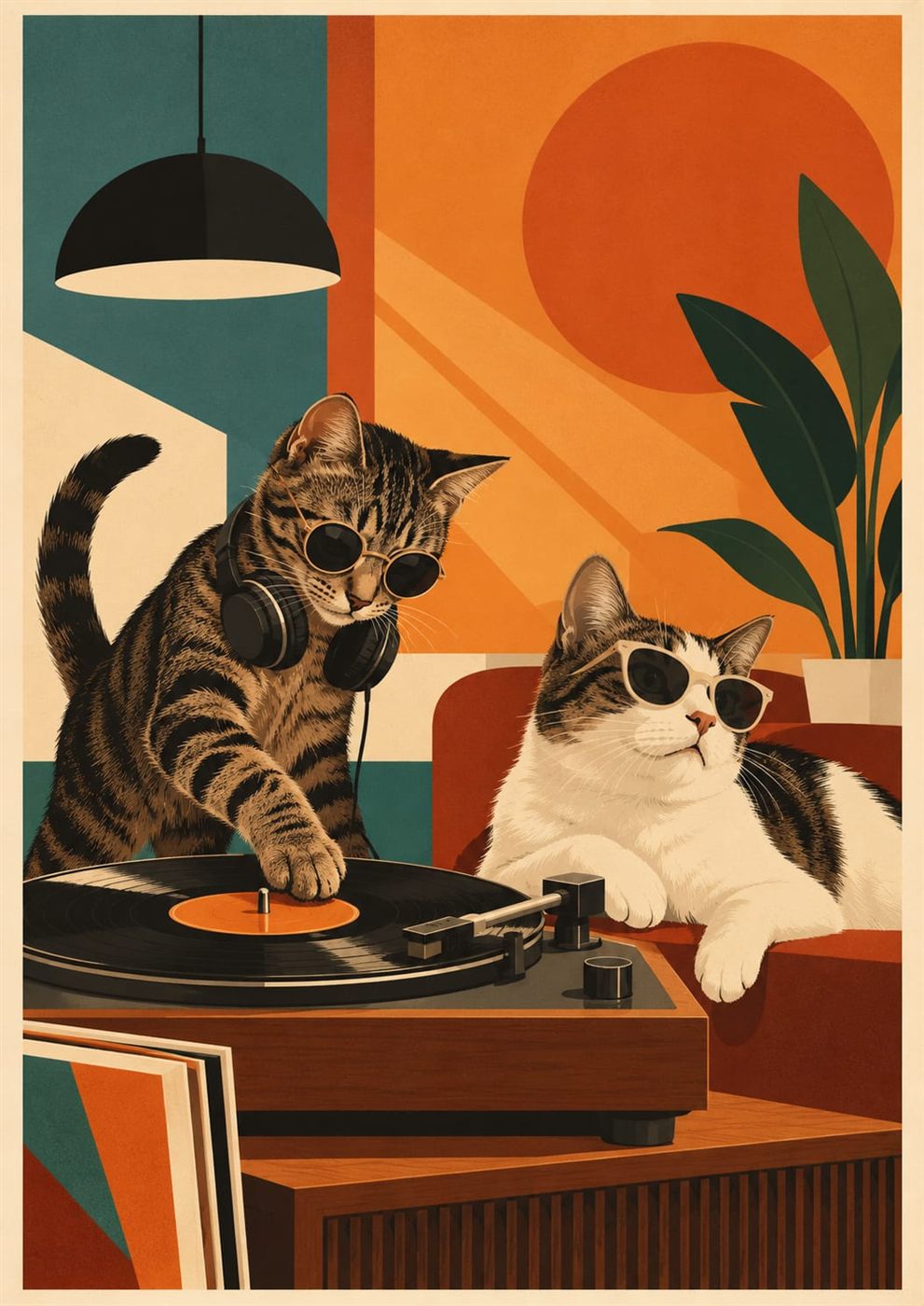
And because we're designers, we couldn't resist turning them into art. Here are a few retro posters of the two of them that we made with AI. Yes, apparently they're DJs now.
Our Travels, And Why They Matter
There is one thing I'm sure of: traveling fuels my creativity. It's one of the main reasons we chose to be a remote studio in the first place. At first I thought being a local designer was the way to go, but my creativity really woke up when I started seeing the world.
A home in Arizona is nothing like a home in Beijing, and an office in London is nothing like an office in Dubai. Seeing how other people live, build and decorate gives me ideas I would never get sitting in the same city. And honestly, how cool is it that we get to do what we love while we travel?
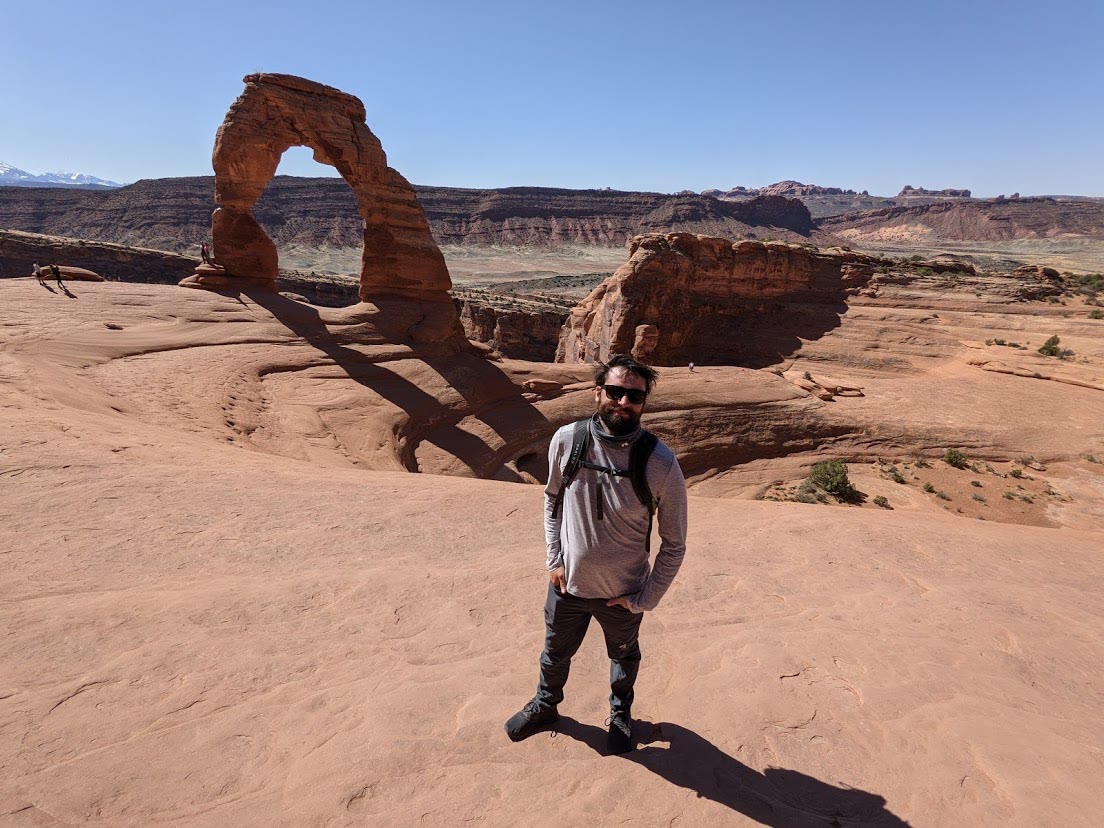
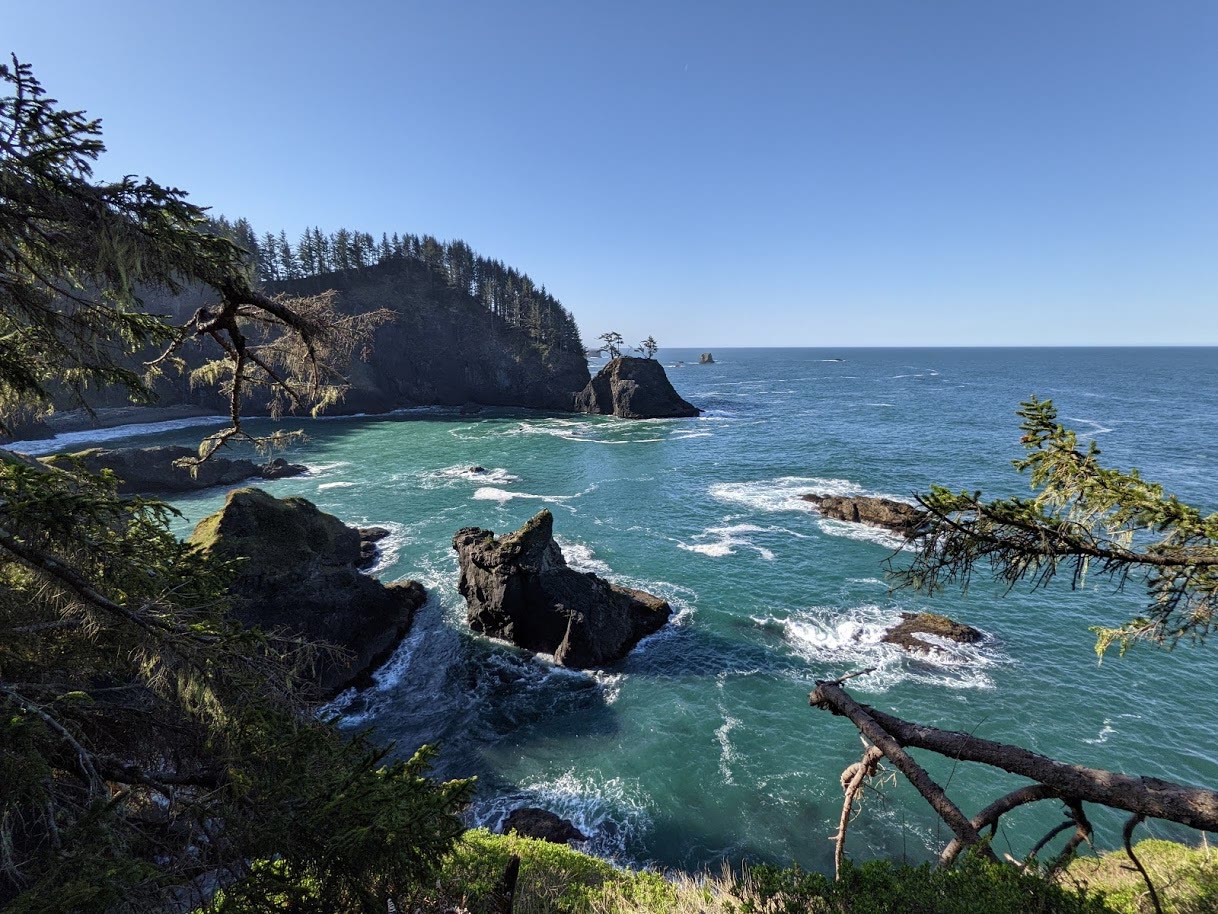
Our first big trip was a road trip through the American West: Arizona, New Mexico, Colorado, Oregon, Utah and Washington. Every single state taught me something I still use:
| Where | What it taught me about design |
|---|---|
| New Mexico | Architecture can melt into nature and tradition. Adobe walls, rounded corners, wood beams, built around the stones and the cactus instead of over them. |
| Arizona | Expect the unexpected. Red rock, green saguaros and pine trees, all in one view. Nature mixes things we'd never dare to. |
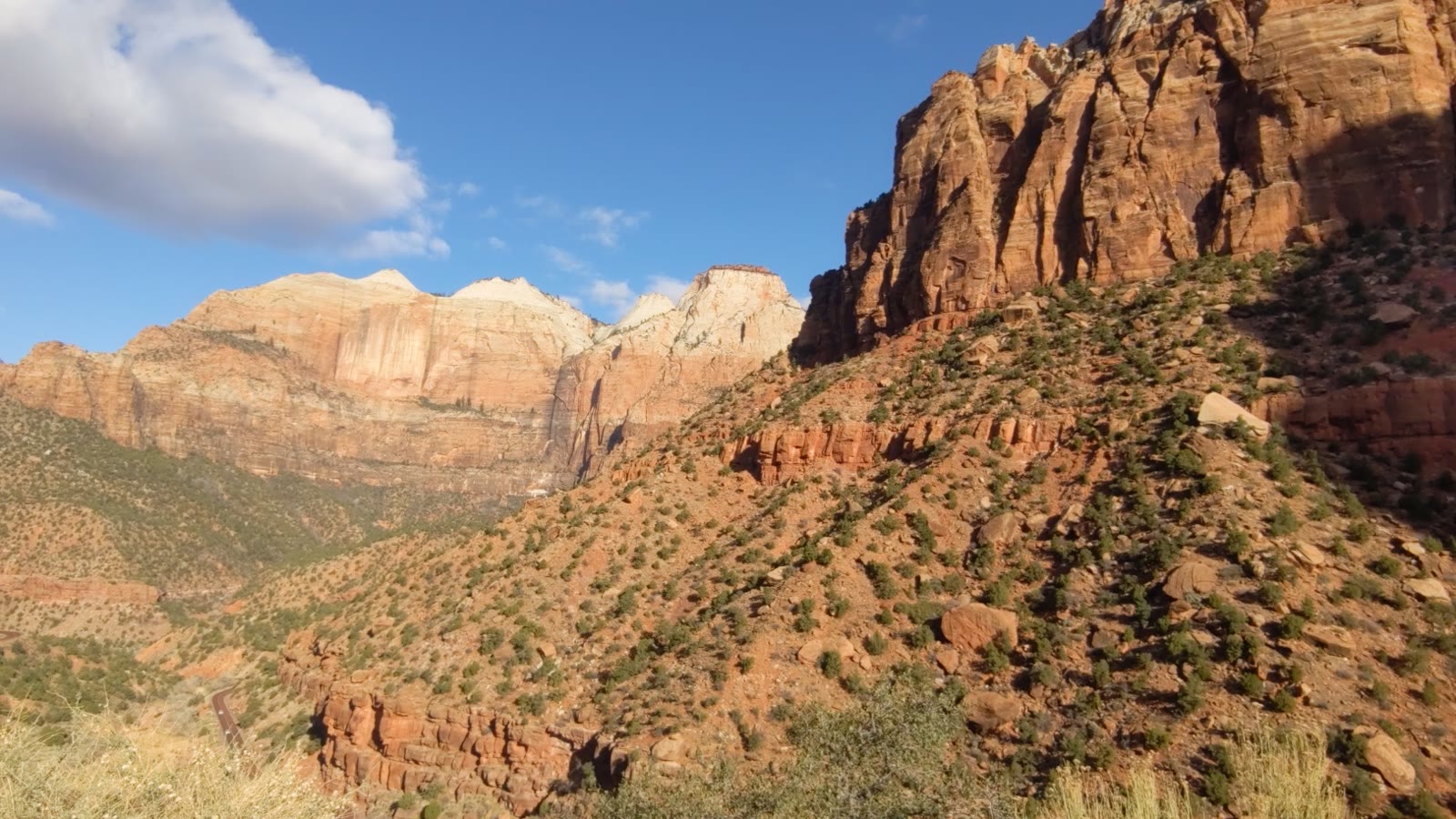
| Utah | Scale and drama. Five hours of highway without a coffee stop, and landscapes like Zion that make you feel tiny in the best way. |
| Washington | Don't be scared of dark. Dark beaches, dark water, dark pines. I use dark elements so much more confidently now. |
| Oregon | Cozy and wild can live together: beaches with pine trees, cliffs, driftwood and dark sand. |
| Colorado | Modern mountain homes that blend into the landscape with wood and metal. |

Then, A Year Jumping Around The World
Right after that road trip, in August 2021, we did something even bigger: we spent a whole year jumping around the world. Nineteen countries in twelve months, from Croatia, Malta and Italy to Romania, Turkey, Jordan, Thailand, Morocco, Portugal and Mexico, with the studio running remotely the entire time.
It was the best design school I could have asked for. We got to know all kinds of architecture and ways of life, and we started to really understand how differently people live: different systems of living, different ideas of what a home is for. I carry that into every project now.
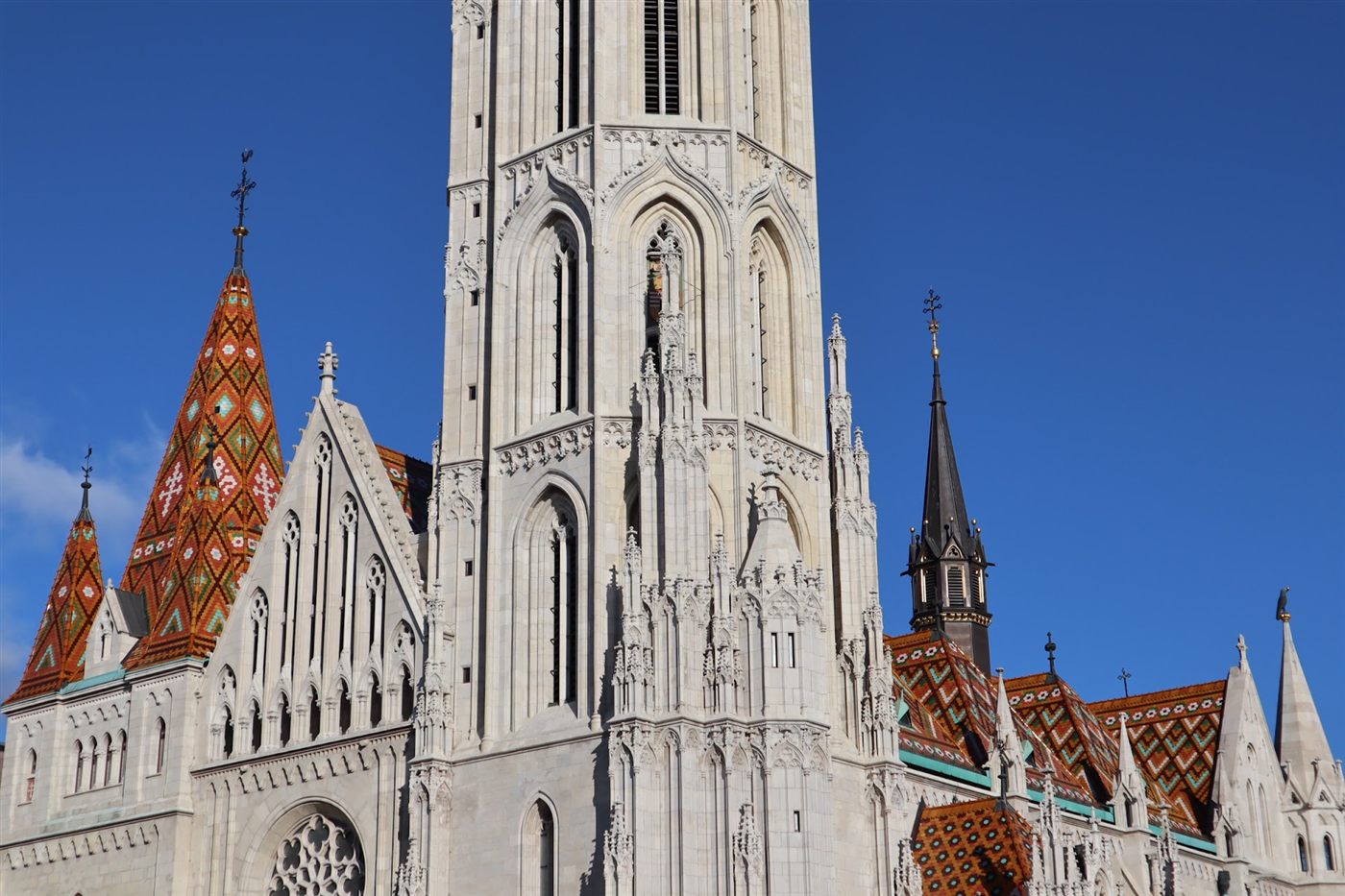
Here's a little of the architecture that stuck with me, all from our own camera roll:
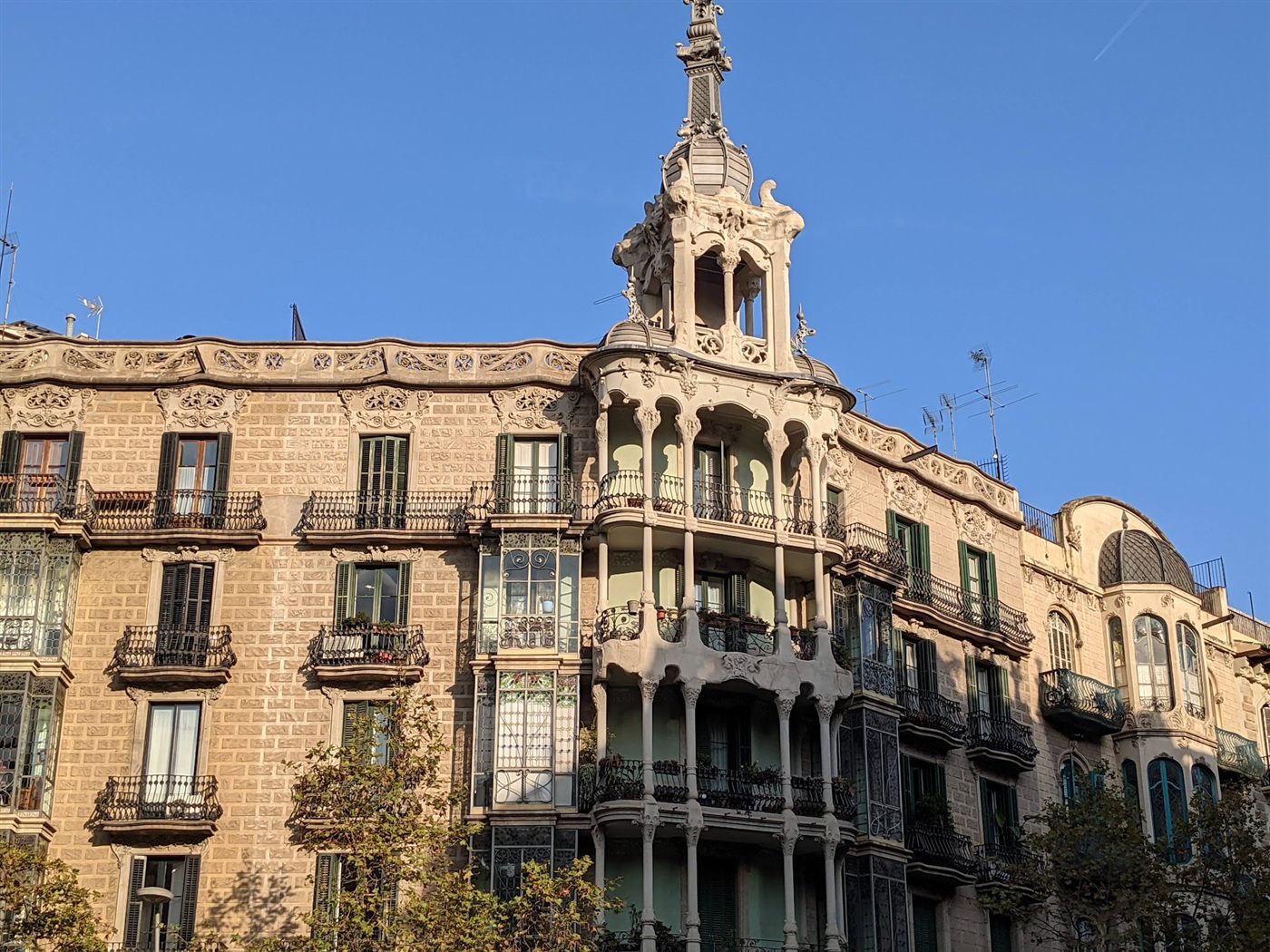
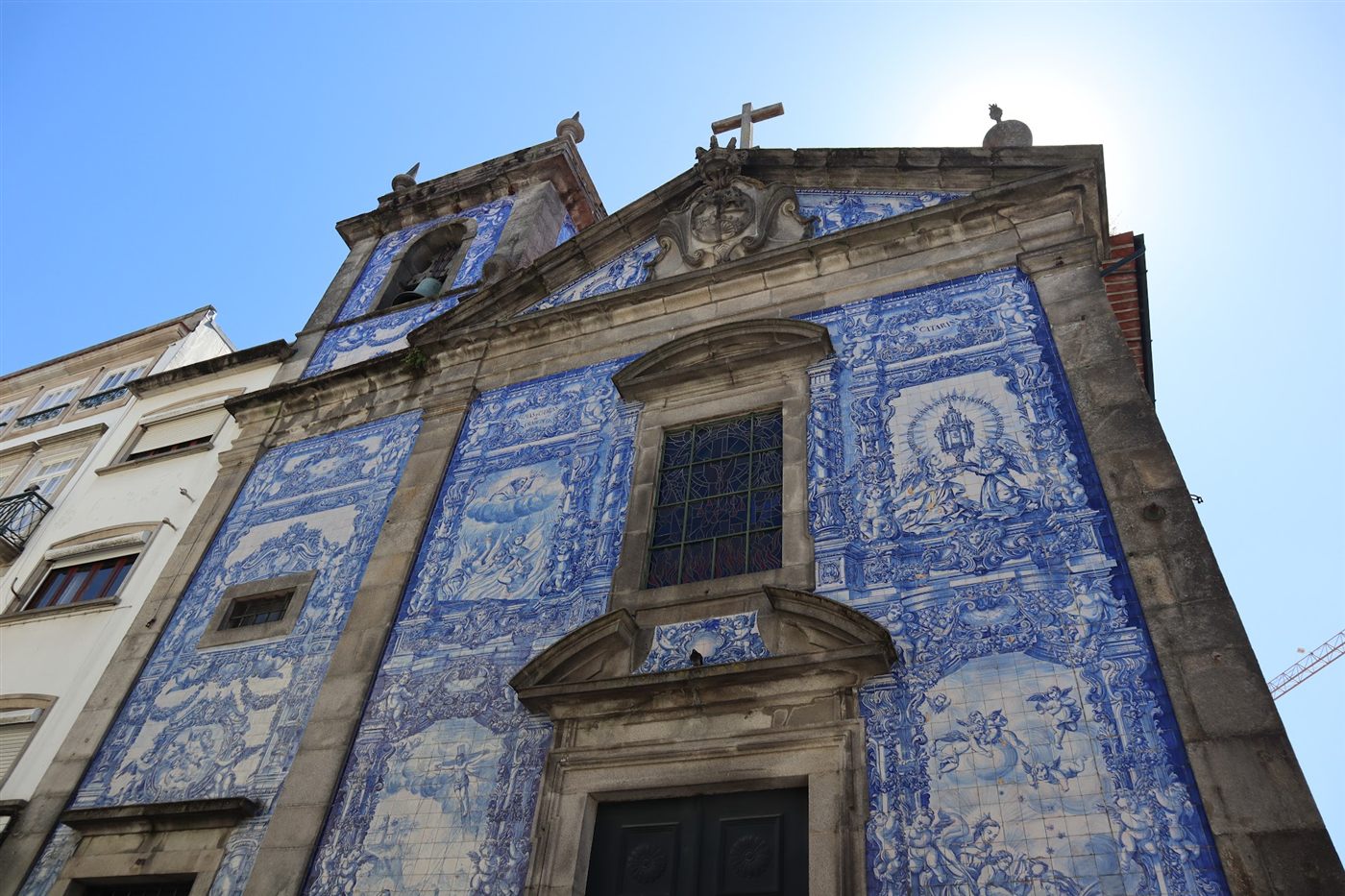
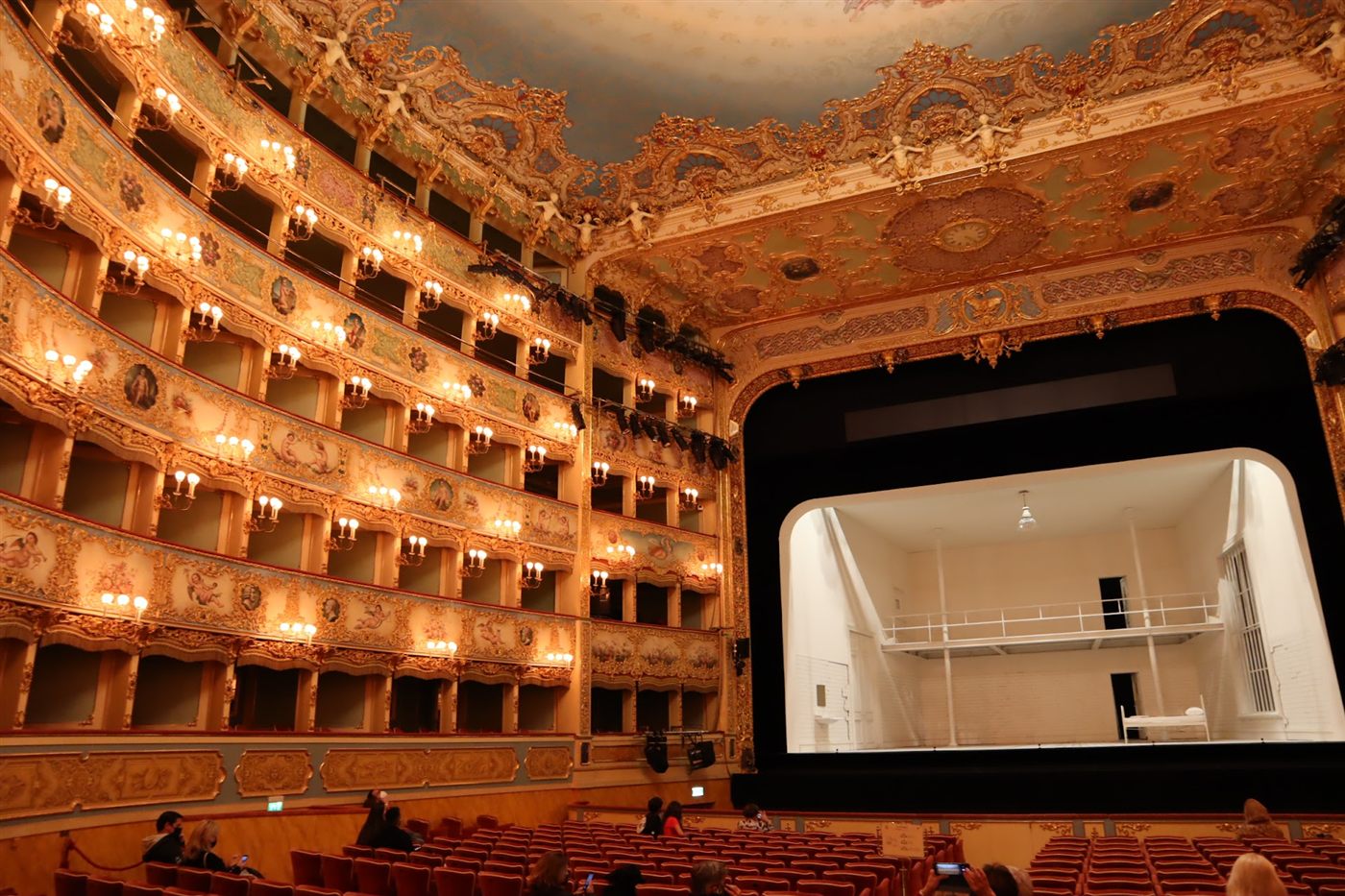
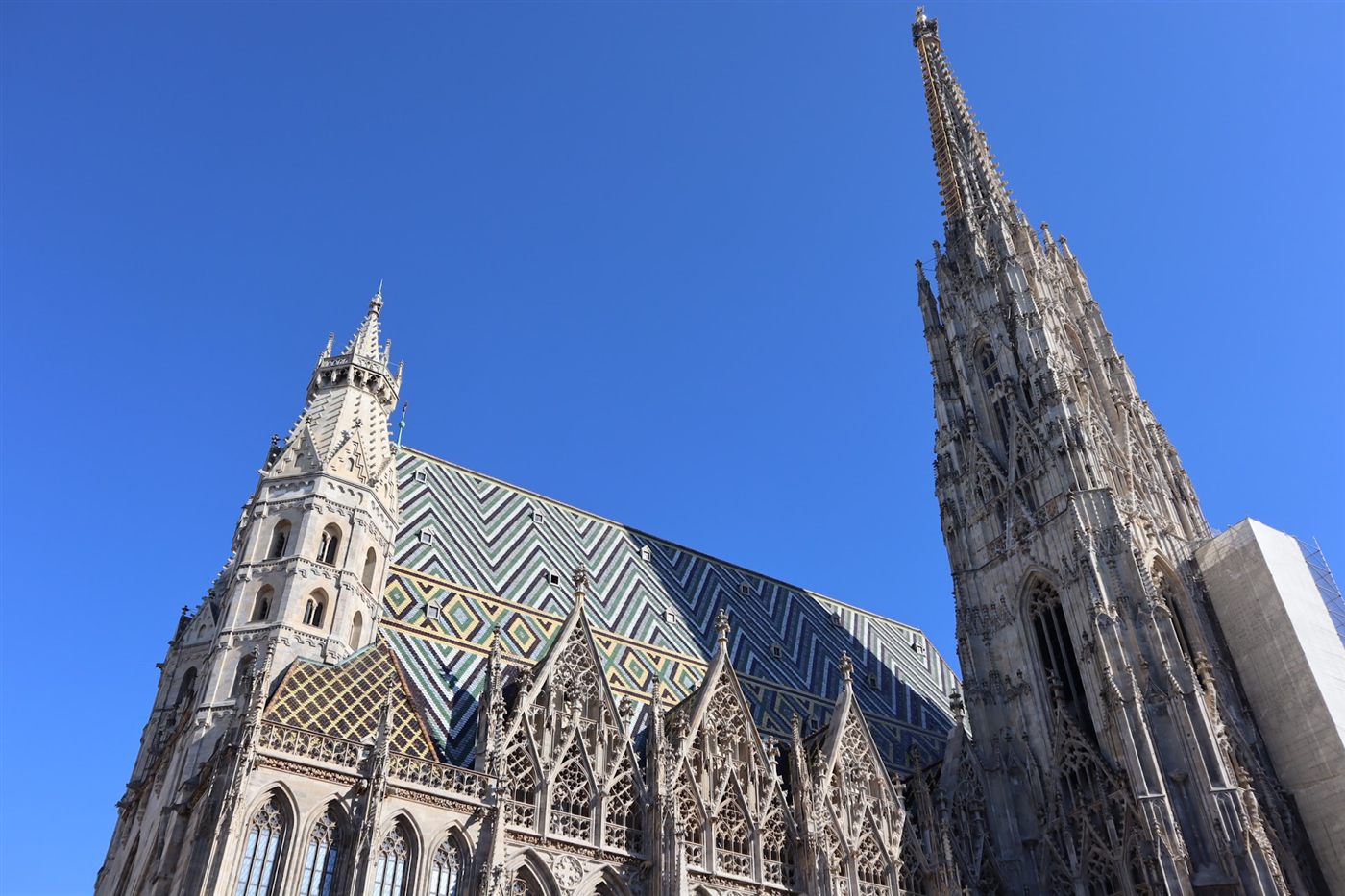
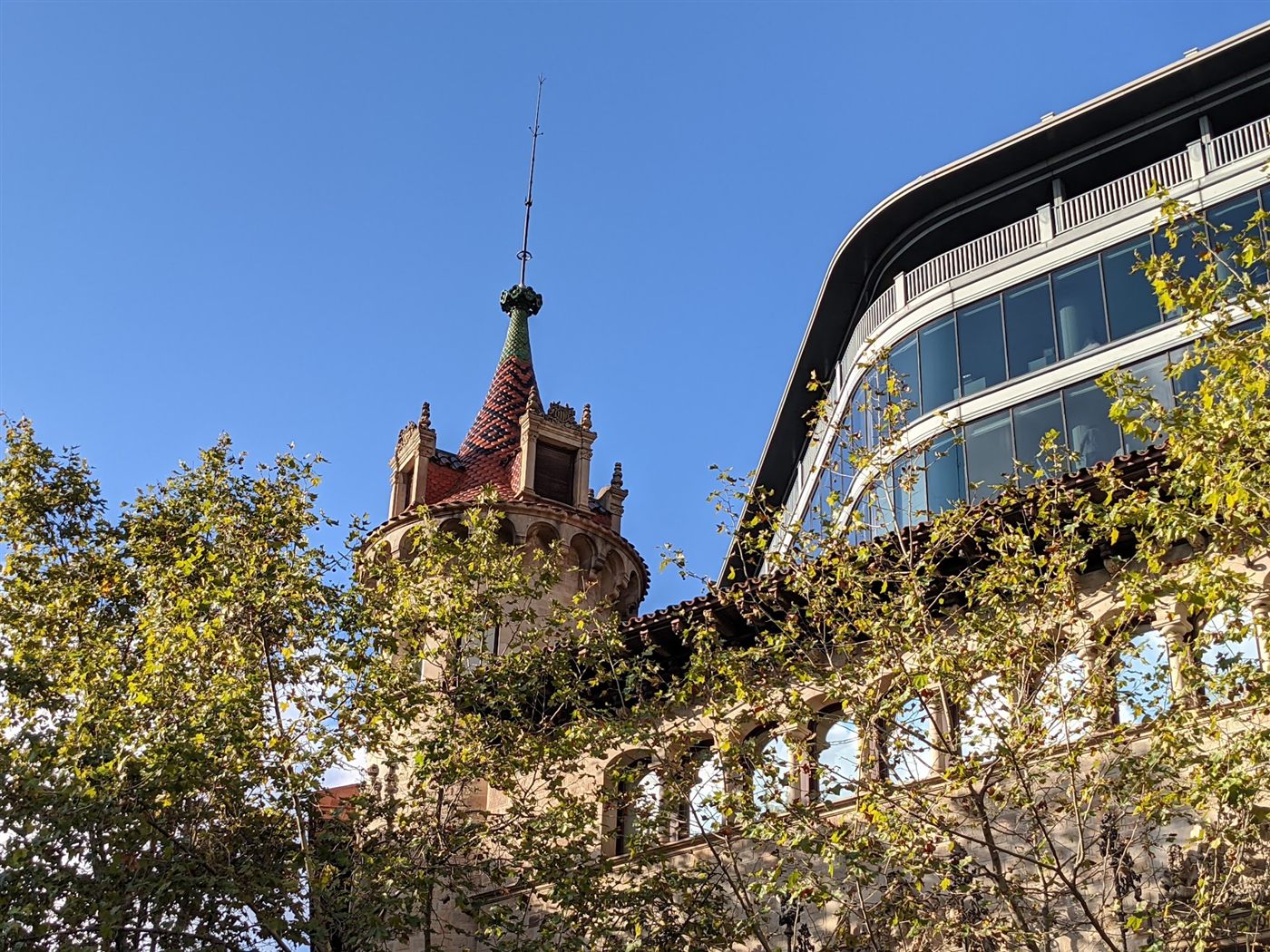
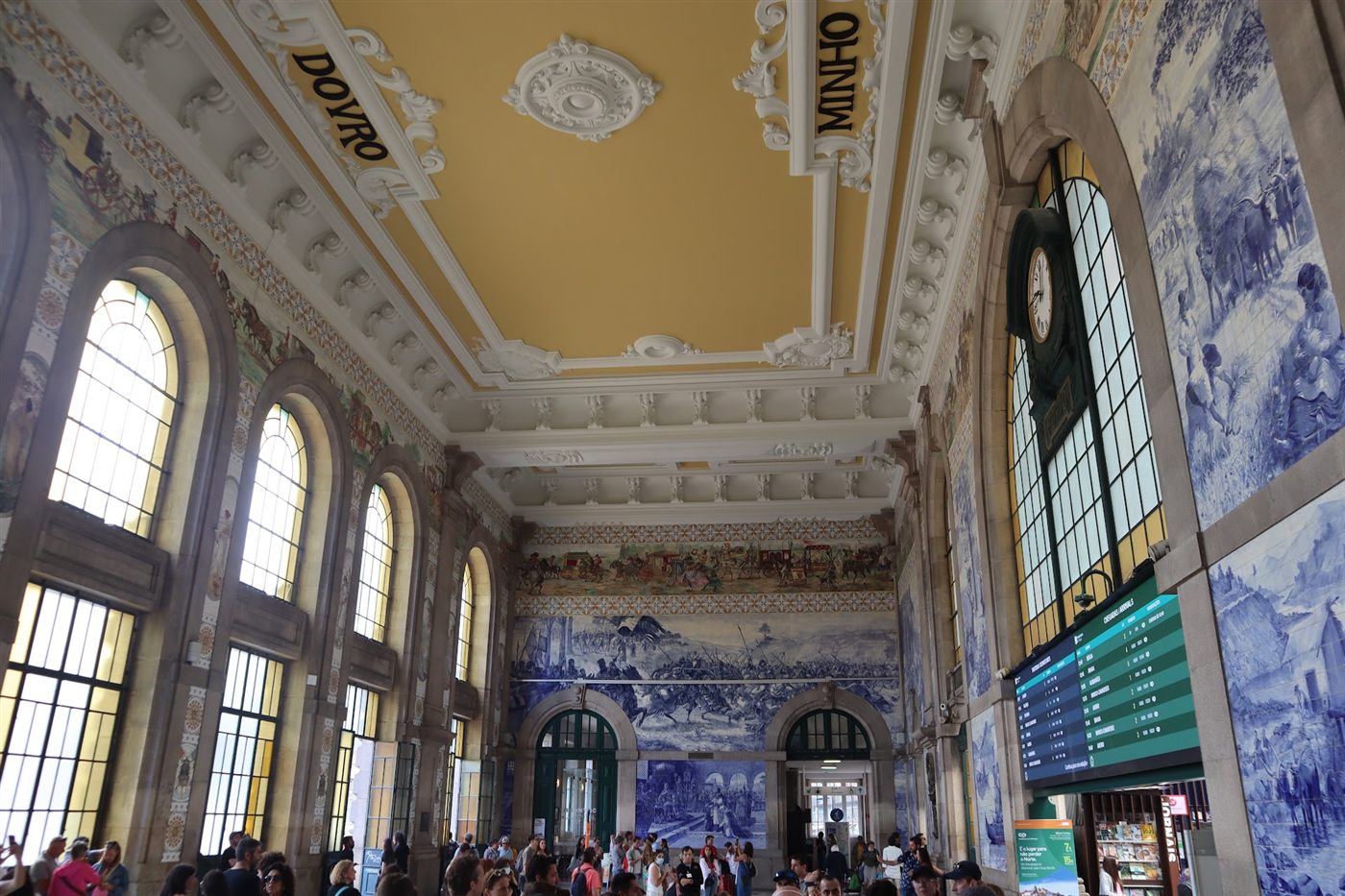
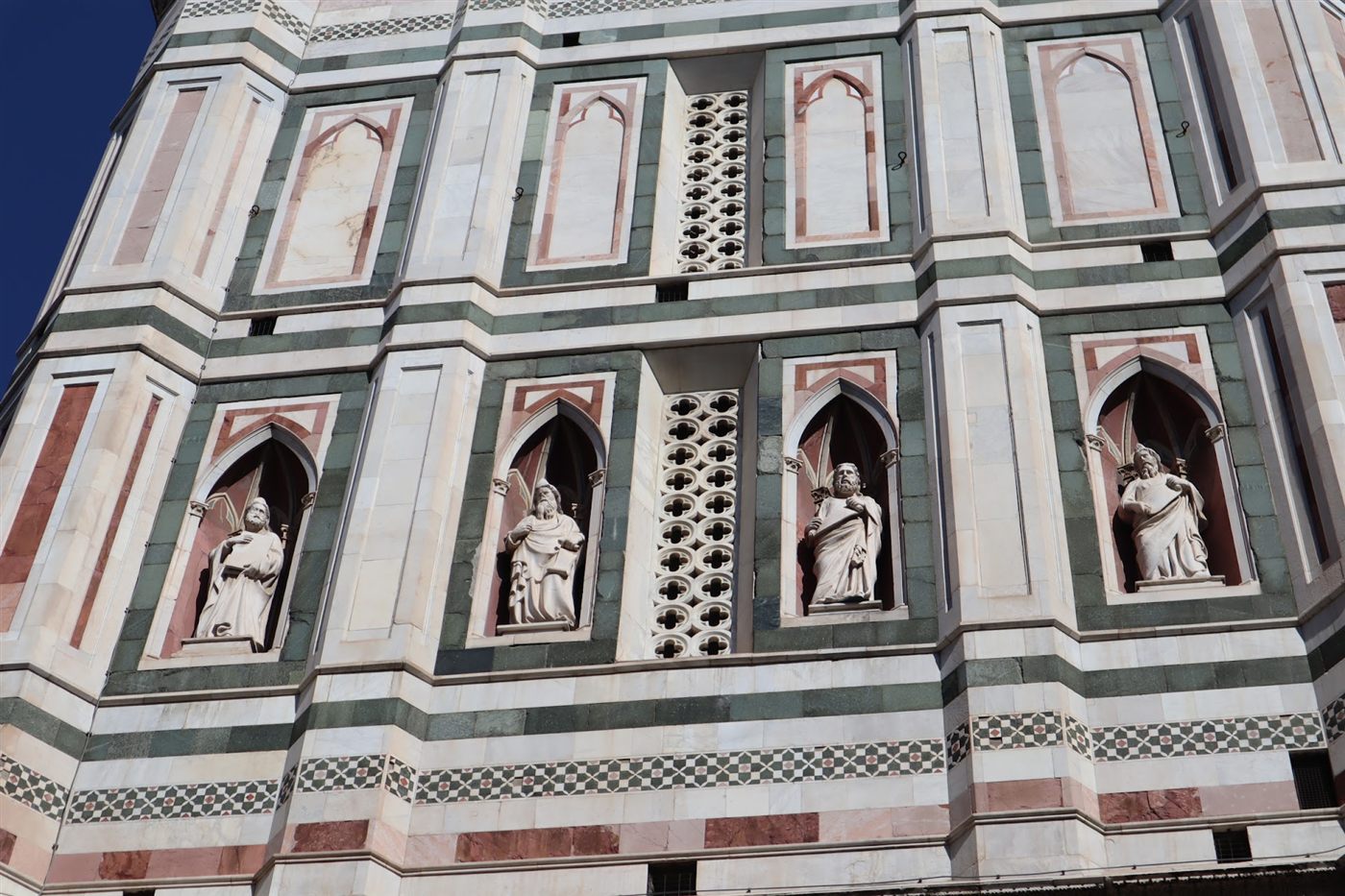
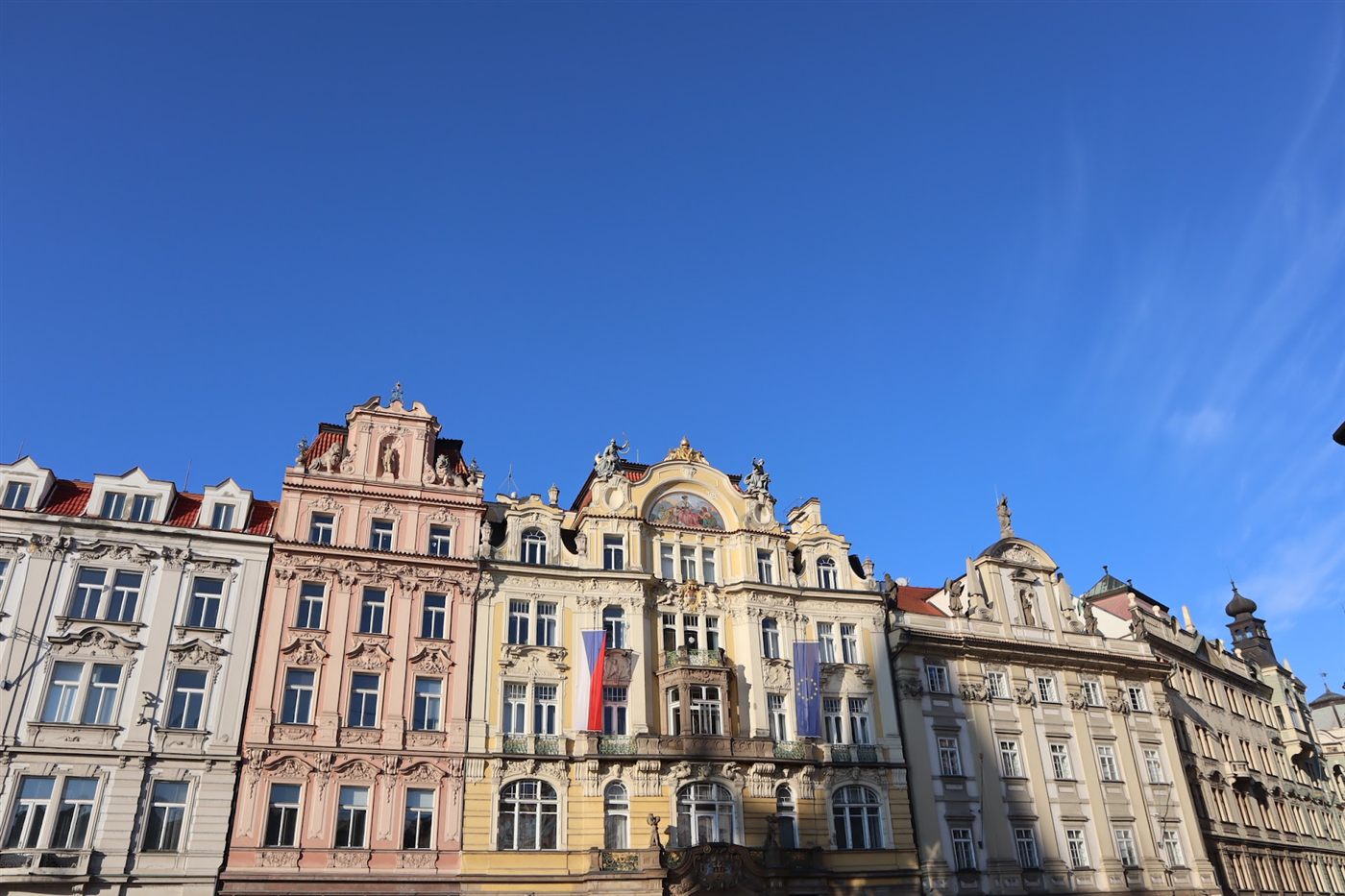
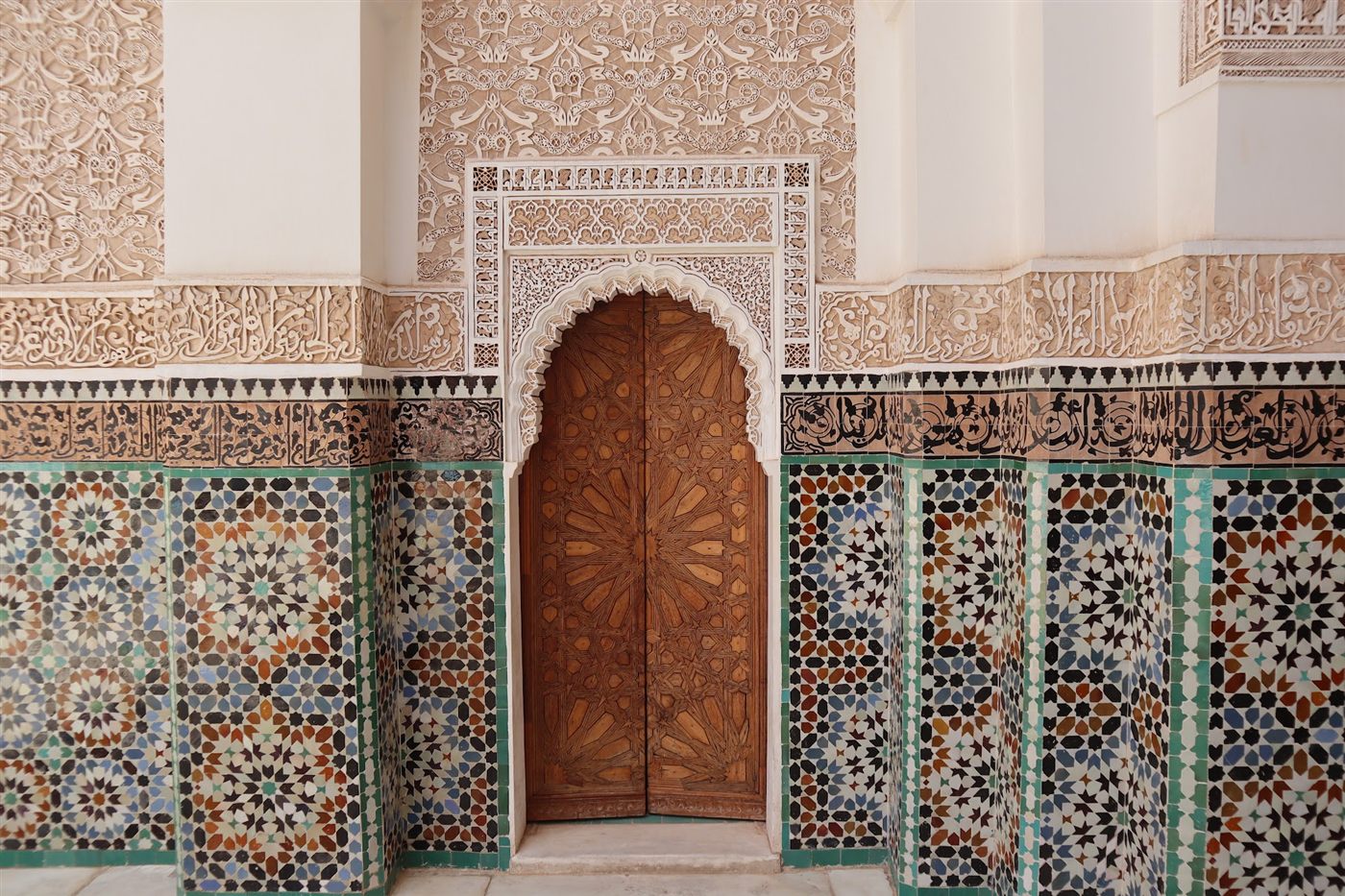
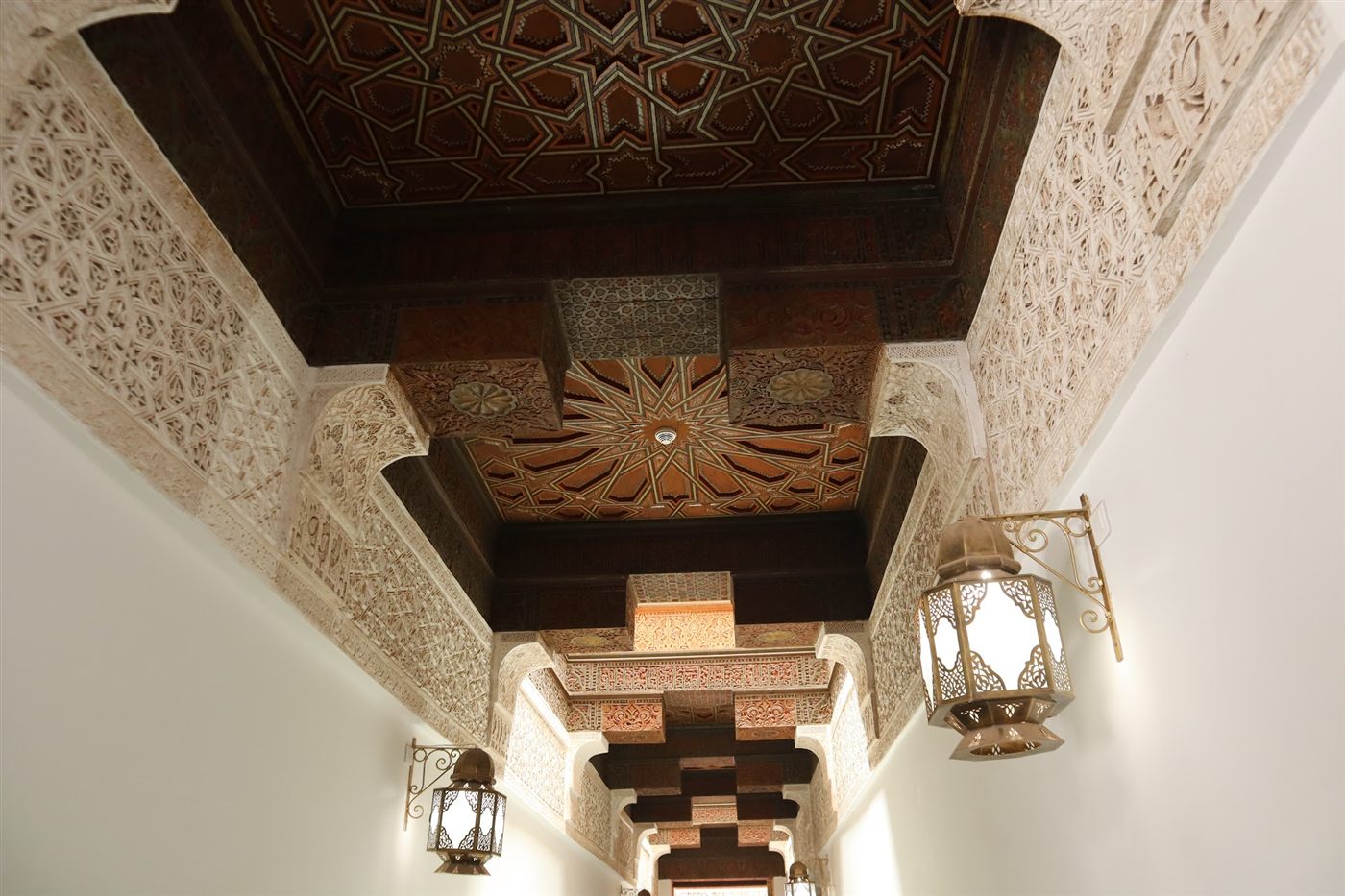
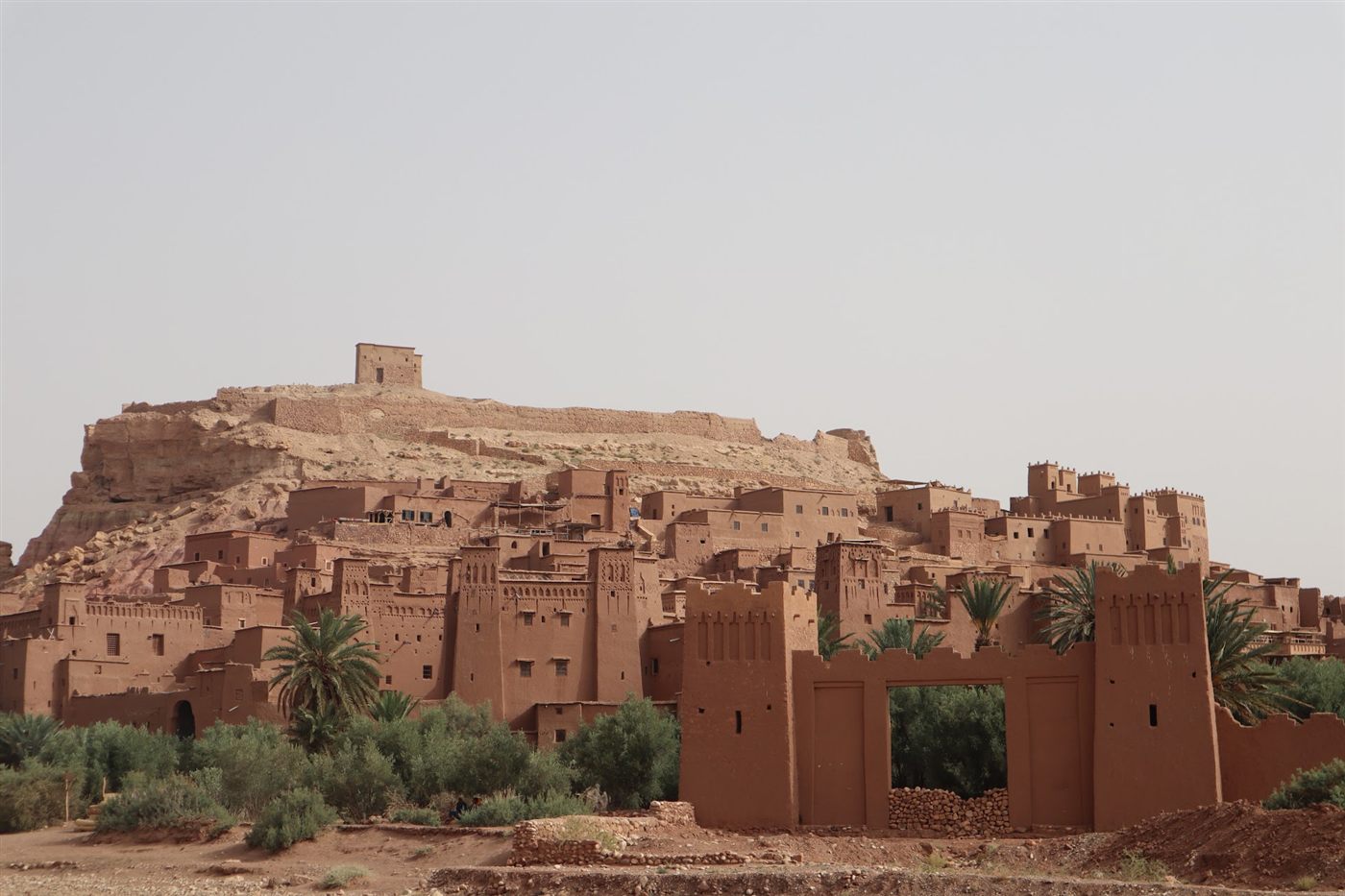
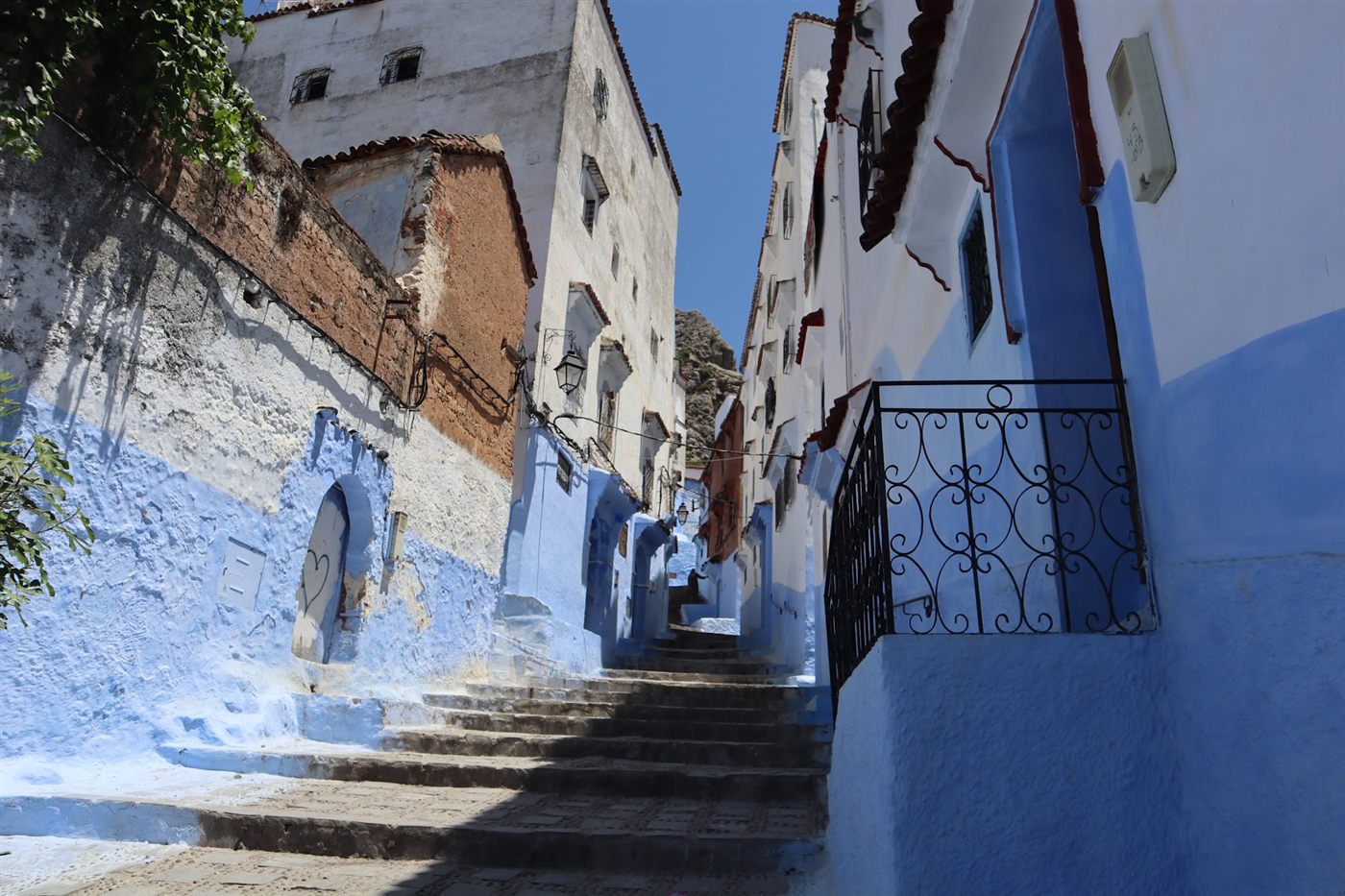
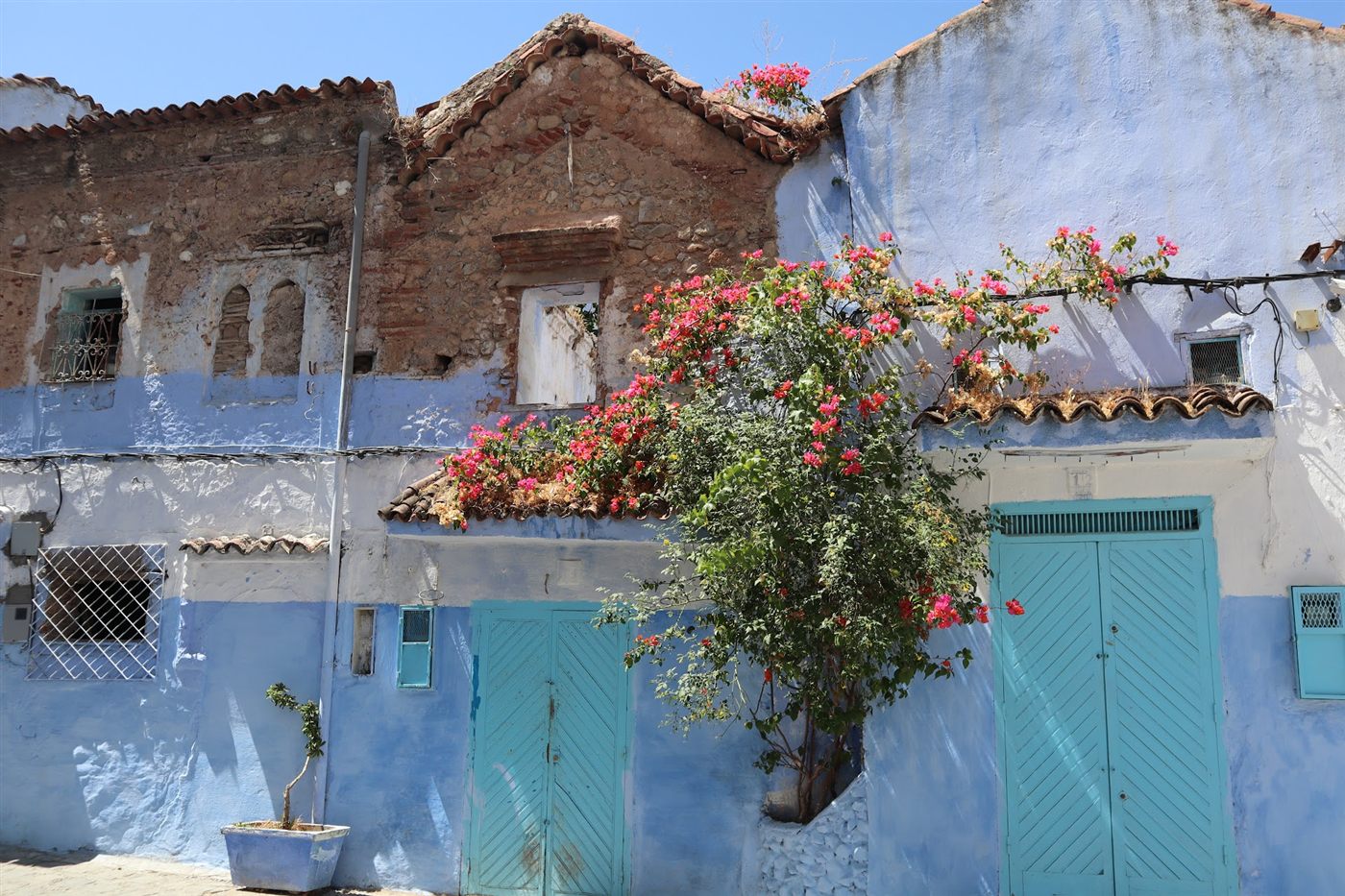
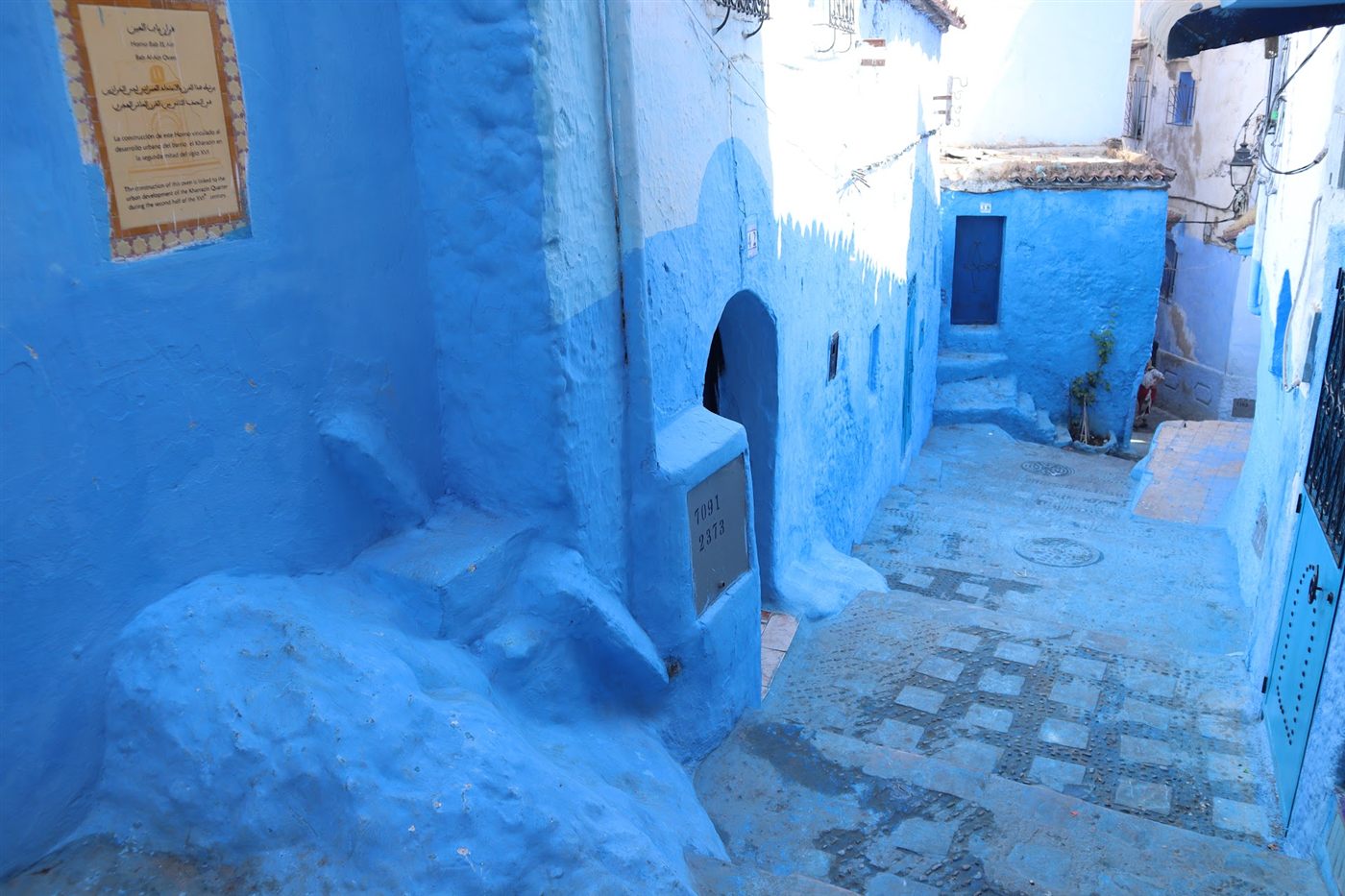
And Morocco deserves its own row. Every corner was a lesson in color, pattern and craft, from the hand-cut tile to the mud-brick kasbahs and the blue streets of Chefchaouen.
The Best Education Is Travel
People say the best education is travel, and I believe it. It turns out the research agrees:
| The research | What it found |
|---|---|
| Maddux and Galinsky, Journal of Personality and Social Psychology, 2009 | People who had lived abroad were better creative problem solvers, and the ones who adapted most to the local culture did best. Short trips alone didn't show the same link: it's living somewhere, not just visiting, that does it. |
| Godart, Maddux, Shipilov and Galinsky, Academy of Management Journal, 2015 | Across 11 years of collections from the world's top fashion houses, creative directors who had worked abroad turned out more creative collections. |
| Student and Youth Travel Association survey of about 1,400 US teachers | 74% said travel has a very positive impact on students' personal development, and 56% said the same about their education and careers. |
That's exactly what that year felt like. We didn't just visit: we lived in each place for a few weeks to a month, worked from there and figured out how everyday life worked. You can't learn that from a book or a Pinterest board. Mark Twain put it best back in 1869: "Travel is fatal to prejudice, bigotry, and narrow-mindedness." For a designer, I'd add: it's fatal to designing every home the same way, too.
We feel truly blessed to have had those experiences, and we don't share them to brag. It simply worked out that way for us. Travel is a real passion of ours, but man, it opened our eyes and our minds. Instead of living in one place, we got to see how the rest of the world lives, and it only made our design better.
And hopefully it serves as a little inspiration: you really can do two things at once, design and travel. If you're a designer or architect who dreams of working from anywhere, let us help you with that. We'll take care of the drawings and renderings, wherever you happen to be.
These days we live in Spain, and the inspiration keeps coming. (I wrote a whole post about the road trip, state by state: memories and lessons of a traveling designer.)
The System We Figured Out
After more than 500 projects, we've learned what works, for us and for the people we design for. Our process doesn't change from job to job, which is exactly why it works on anything, from a single kitchen to a whole pickleball club. Here are the rules we live by:
| Our rule | Why it works |
|---|---|
| Remote, always | Plans, photos and inspiration come by email or a shared folder, and every delivery comes with a short video walking you through it. No site visit, no wasted afternoons. |
| Everything in writing (or on a Loom video) | Every request, change and decision lives in an email, a message or a short Loom video. Anyone can track it back later, so nothing gets lost and there's far less room for miscommunication. |
| One fixed price, in writing | You know the scope and the fee before anything starts. The price only changes if the scope does. |
| Settle the direction first | We agree on the look, often with AI, before anyone builds a model. Nobody spends two weeks modeling the wrong room. |
| Model first, drawings last | Changes are cheap in 3D. The drawings come once the design is decided, so they're right the first time. |
| Two rounds, and room to explore | One complete list per round keeps things quick, and two rounds is usually plenty. Want to explore more ideas? That's the beauty of 3D: you change your mind on screen, not on site. |
| One designer answers for it | I review everything before it goes out. You always talk to a designer, not an account manager. |
| Your name, not ours | We may share some of our renderings in our own marketing, but if you're a designer or architect, there's no need to use our name at all: the work goes out under your brand. One firm has sent us 60+ projects, and their clients have never heard of us. |
And that's also why I keep saying it: time is money, people. Use your time wisely. The system exists so our clients get their time back, and so do we. (Want the whole thing, week by week? Here's how it works.)
Why "Astratto"?
Astratto is Italian for "abstract," and we picked it for two reasons. The first is just accurate: every project starts in somebody's head, as a feeling about a room, a color, a shape they can't quite draw. Turning that into a plan and a rendering is the whole job.
The second is a little less noble. Italy has spent centuries teaching everyone that Italian design is the good version, and we knew exactly what we were borrowing. The goal is for what we hand over to be the thing people show off: the kitchen your friend photographs before she even sits down. Braggable is a ridiculous word, and it's still the target.